Is Carvana Legit? A Detailed Investigation into the Online Car Buying Platform
Is Carvana Legit? A Detailed Investigation into the Online Car Buying Platform
Carvana has revolutionized the car buying process with its massive vending machines and entirely online platform, but a fundamental question persists for cautious consumers: is the experience legitimate and trustworthy? This deep dive examines the company's operational model, customer satisfaction metrics, and common complaints to provide a clear picture for potential buyers. By analyzing verifiable data and real-world user reports, we aim to determine if Carvana is a reliable alternative to the traditional dealership.
The Carvana Model: How the Digital Dealership Works
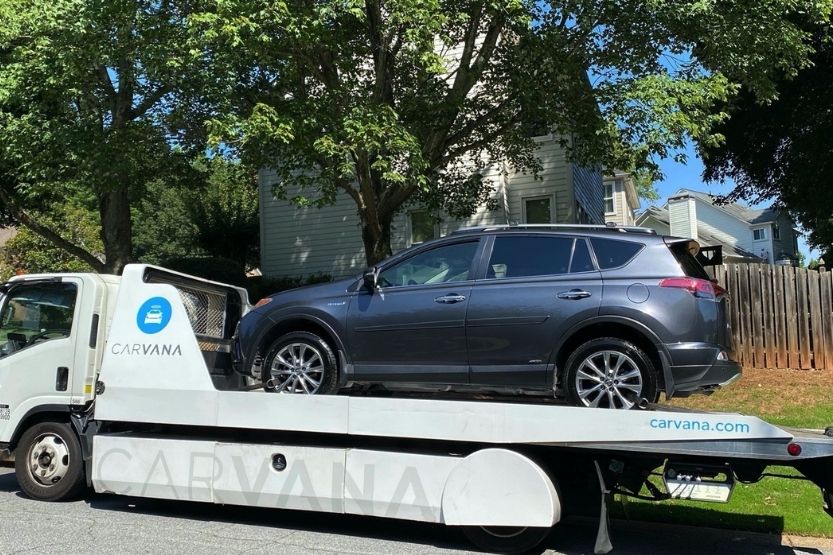
At its core, Carvana operates as a technology company in the automotive retail space, removing the human salesperson from the equation. Instead of walking onto a lot, customers browse a curated inventory online, utilizing tools like vehicle history reports (powered by Carfax) and 360-degree interior videos to make decisions. The process is designed to be a direct-to-consumer experience, culminating in delivery or pickup via the iconic glass-fronted vending machines or standard shipping to the buyer’s driveway.
This model eliminates the traditional haggling environment, offering a fixed-price structure that proponents argue saves time and reduces stress. Because the transaction happens primarily through an app or website, the company positions itself as a modern alternative to dealers that may be perceived as opaque or predatory.
Breaking Down the Legitimacy Concerns
When evaluating whether a business is legitimate, consumers typically look for regulatory compliance, financial stability, and transparent customer interactions. Carvana meets the basic legal requirements of being a licensed dealer in every state where it operates, holding necessary bonds and insurance. Financially, the company went public in 2021 and trades on the New York Stock ticker "CVNA," indicating it is a recognized public entity subject to market scrutiny.
However, legitimacy extends beyond legal paperwork. For Carvana, the primary controversy revolves around the "as-is" nature of the vehicles and the rigidity of the return policy. Unlike a traditional dealer that might offer a warranty or a brief return window, Carvana's sales are final after a short seven-day ownership period. This policy is a frequent point of contention.
Customer Sentiment: The Good, The Bad, and The Ugly
To gauge the reality of the Carvana experience, one must analyze customer feedback across various platforms. While the company boasts hundreds of thousands of reviews, the sentiment is polarized. Positive reviews often highlight the convenience of the home delivery, the transparency of the online information, and the novelty of the vending machine experience.
Conversely, negative reviews tend to focus on mechanical issues that were not adequately disclosed, difficulties in reaching customer service for warranty claims, and the inflexibility of the return policy. When dealing with high-value assets like vehicles, the emotional tolerance for these issues is low, leading to passionate complaints even about issues that might be considered minor in other retail contexts.
- The Convenience Factor: Many users appreciate the ability to shop for cars in pajamas at 2 a.m., comparing specs and prices without the pressure of a showroom.
- The Vending Machine Gimmick: The physical machines serve as a massive marketing tool, generating significant media coverage and brand recognition that traditional dealers cannot match.
- The Paperwork: The entire contract is digital, allowing for a fast signing process that avoids the usual dealer finance office bottleneck.
Navigating the Challenges: What Can Go Wrong?
No automotive retailer is perfect, and Carvana's unique model introduces specific friction points that potential customers must understand. A common scenario reported involves receiving a vehicle with minor cosmetic scratches or more serious mechanical faults. Because the car is delivered rather than picked up, the buyer sees the car for the first time in their driveway.
While the seven-day return policy exists, invoking it can be challenging. Customers report that initiating a return requires significant effort in documenting issues and communicating with support. Furthermore, the company has faced regulatory scrutiny in the past regarding the accuracy of their vehicle condition reports, leading to state-level investigations.
The Warranty Dilemma
Another critical factor in the "is Carvana legit" debate is the warranty. The company sells "Certified" vehicles that supposedly undergo a 125-point inspection. However, customers frequently find that the warranty does not cover mechanical breakdowns in the same way a new car warranty or a franchise dealer Certified Pre-Owned (CPO) warranty would.
According to automotive industry analyst Mark Sielski, the success of such models hinges on balancing transparency with risk. "The business relies on volume and the assumption that the majority of buyers are satisfied with the price point and convenience. However, the margin for error is thin when a customer receives a lemon; the recourse options are often limited compared to a traditional dealership."
Tips for a Successful Carvana Transaction
For those who value the convenience but wish to mitigate the risks, approaching Carvana with a specific strategy is essential. Treating the purchase as a self-inspection rather than a trust exercise is the recommended mindset. Due diligence is the buyer's primary defense against dissatisfaction.
- Inspect the Vehicle History: Do not rely solely on the Carvana photos. Cross-reference the Vehicle Identification Number (VIN) with a independent Carfax or AutoCheck report to ensure there are no hidden accidents or title issues.
- The Pre-Purchase Inspection (PPI): If possible, utilize the 7-day return window not just for a test drive, but for a thorough mechanical inspection by an independent mechanic. View this as a cost of doing business rather than an insult to the seller.
- Document Everything: Take hundreds of photos and videos of the car upon arrival, focusing on every angle. This documentation is vital if you need to prove pre-existing damage to initiate a return.
- Understand the Exit Strategy: Before clicking "buy," read the return policy细则. Know exactly what conditions trigger a return and what deductions the company might make for mileage or wear.
The Verdict: A Tool, Not a Universal Solution
Is Carvana a scam? The evidence suggests it is a legitimate business operating within the law. However, whether it is the right choice for a specific buyer depends entirely on their risk tolerance and expectations. The company fills a specific niche in the market: the tech-savvy consumer who values transparency of information and speed over the traditional test-drive-and-negotiate ritual.
For buyers seeking the reassurance of a physical inspection and the security of an established franchise dealer, Carvana might feel too risky. For others, the ability to lock in a price online and have a car delivered within days is a victory. Ultimately, treating the platform with respect—by conducting independent verification and understanding the contract—is the only way to ensure the experience is positive.
Related Post
Unpacking the Truth: Is Carvana Legit?

Is Carvana Legit? The Truth About Buying A Car Online