Is CNN A Reliable Source? Navigating Bias, Fact-Checking, and Trust in Modern News
Is CNN A Reliable Source? Navigating Bias, Fact-Checking, and Trust in Modern News
CNN operates as a major 24-hour news network delivering rapid coverage across global events, yet questions about its reliability persist amid evolving media landscapes. This analysis examines ownership structure, editorial standards, documented biases, and independent fact-checking to clarify how CNN compares to other mainstream outlets. Readers will gain practical tools for assessing news credibility beyond any single brand.
Media trust has become a central concern as audiences navigate fragmented information ecosystems and varying definitions of reliability. Evaluating a source like CNN requires understanding its history, organizational pressures, and verifiable track record rather than relying on anecdote or political branding. The following examination breaks down these dimensions to help readers make informed judgments.
CNN’s Position in the Media Landscape
CNN was founded in 1980 as the first 24-hour television news network, pioneering continuous coverage and establishing a model that influenced countless competitors. It is owned by Warner Bros. Discovery following a merger that consolidated multiple news assets under a larger media conglomerate. This commercial context shapes resource allocation, programming decisions, and the network’s competitive stance against digital-native and legacy rivals.
In today’s environment, CNN competes not only with traditional broadcasters but with streaming platforms, social media feeds, and niche news sites that often prioritize speed or ideological alignment over established journalistic norms. The term reliable source is frequently invoked in political discourse, sometimes weaponized to dismiss unfavorable reporting or uncritically invoked to legitimize preferred narratives. Cutting through this noise requires concrete criteria.
Editorial Standards and Newsgathering Practices
Reliable news organizations typically maintain publicly stated standards covering accuracy, fairness, corrections, and independence from commercial or political influence. CNN’s documented standards emphasize verification, multiple sourcing for contentious claims, and clear labeling of opinion content. These standards are enforced through layers of editors, producers, and legal review who intervene before sensitive content airs or publishes.
- Accuracy: Stories should be fact-checked internally, with prominent corrections issued promptly when errors are identified.
- Transparency: Reporters should disclose potential conflicts and clarify when material is sponsored or paid content.
- Balance: Coverage should represent major perspectives on disputed issues without false equivalence that equates marginalized views with established consensus.
- Attribution: Information should clearly distinguish between on-the-record statements, anonymous sourcing, and analysis.
In practice, adherence to these standards varies across programs and time periods. High-profile investigations often undergo rigorous scrutiny, while fast-moving breaking news segments carry higher risk of incomplete reporting that is later updated. The volume of content produced makes occasional inaccuracies inevitable, but the response to those inaccuracies matters for long-term reliability.
Independent Fact-Checking and Accuracy Records
Third-party fact-checkers provide a measurable layer of accountability, rating claims and segments to ground assessments in evidence rather than opinion. Organizations such as the Poynter Institute’s International Fact Checking Network, FactCheck.org, and PolitiFact routinely evaluate claims appearing across CNN segments and online articles. These reviews highlight both responsible reporting and instances where assertions outpace available evidence.
- A fact-checking organization reviews a CNN segment on a policy issue, examining transcripts, cited data, and on-screen graphics.
- Specific claims are compared against authoritative sources such as government reports, peer-reviewed studies, or expert consensus.
- Each claim receives a rating like True, Mostly True, Half True, False, or Pants on Fire, accompanied by detailed documentation.
- Patterns across many ratings reveal systemic strengths or weaknesses rather than isolated incidents.
- Readers can consult these archives to see how CNN claims fare relative to other outlets.
Aggregations of these ratings show that mainstream outlets like CNN generally score higher than unverified social media accounts or overtly partisan sites, while also exhibiting occasional overstatements, particularly in heated political cycles. No major broadcaster maintains perfect accuracy, but transparency about mistakes and willingness to issue corrections are markers of responsibility.
Perceived and Documented Bias
Bias can appear in story selection, framing, guest choice, and language, often reflecting the editorial environment of a network or the broader industry. Studies by media watchdog groups and academic researchers have documented ideological leanings in CNN’s commentary panels and primetime programming, with more criticism of conservative politicians and more skepticism toward progressive policies. These leanings can erode trust among viewers who disagree with the perceived angle.
Reliability does not require political neutrality; it requires consistent methods and honest presentation of evidence. A network can be biased yet reliable when it corrects errors, cites sources, and allows dissenting voices to respond to critiques. Conversely, a seemingly neutral tone can mask unreliable practices such as uncritical repetition of dubious claims from powerful institutions.
- Selection bias: Choosing which events to cover and which to ignore shapes perceived importance.
- Framing bias: Language, images, and context can subtly influence how audiences interpret facts.
- Source bias: Over-reliance on particular experts or advocacy groups may narrow perspective.
- Omission bias: Failing to mention relevant counterarguments or data can mislead without false statements.
Documented examples include debates over headline choices that may exaggerate conflict or downplay consensus, and segments that invite guests with strong partisan backgrounds while underrepresenting moderate or technical voices. Audiences attuned to these patterns can adjust their consumption accordingly, seeking supplemental reporting to round out their understanding.
Comparing CNN to Other News Sources
Reliability assessments often implicitly compare CNN to alternatives, yet direct comparisons must account for different formats, target audiences, and market positions. Public-service broadcasters with statutory mandates, for example, operate under different constraints than commercial cable networks reliant on ratings and advertising. Digital-only outlets may specialize in rapid aggregation and commentary, while legacy newspapers maintain deeper regional reporting infrastructures.
Fact-checking consortiums that evaluate multiple outlets consistently show that mainstream television networks cluster near the center of accuracy ratings, with variations by program and host. Outlets on the political extremes, whether right or left, tend to score lower on factual correctness and higher on misleading statements according to nonpartisan methodologies. Within that mainstream cluster, CNN’s performance aligns closely with peers, though specific shows may diverge.
Individuals aiming to become more news-literate can adopt habits that reduce dependence on any single source. Cross-referencing claims with outlet watchdogs, consulting international reporting, and revisiting stories after major developments all contribute to a more nuanced picture. In this environment, labeling an entire network as either wholly reliable or wholly unreliable obscures the granular reality of how information is produced and consumed.
Related Post
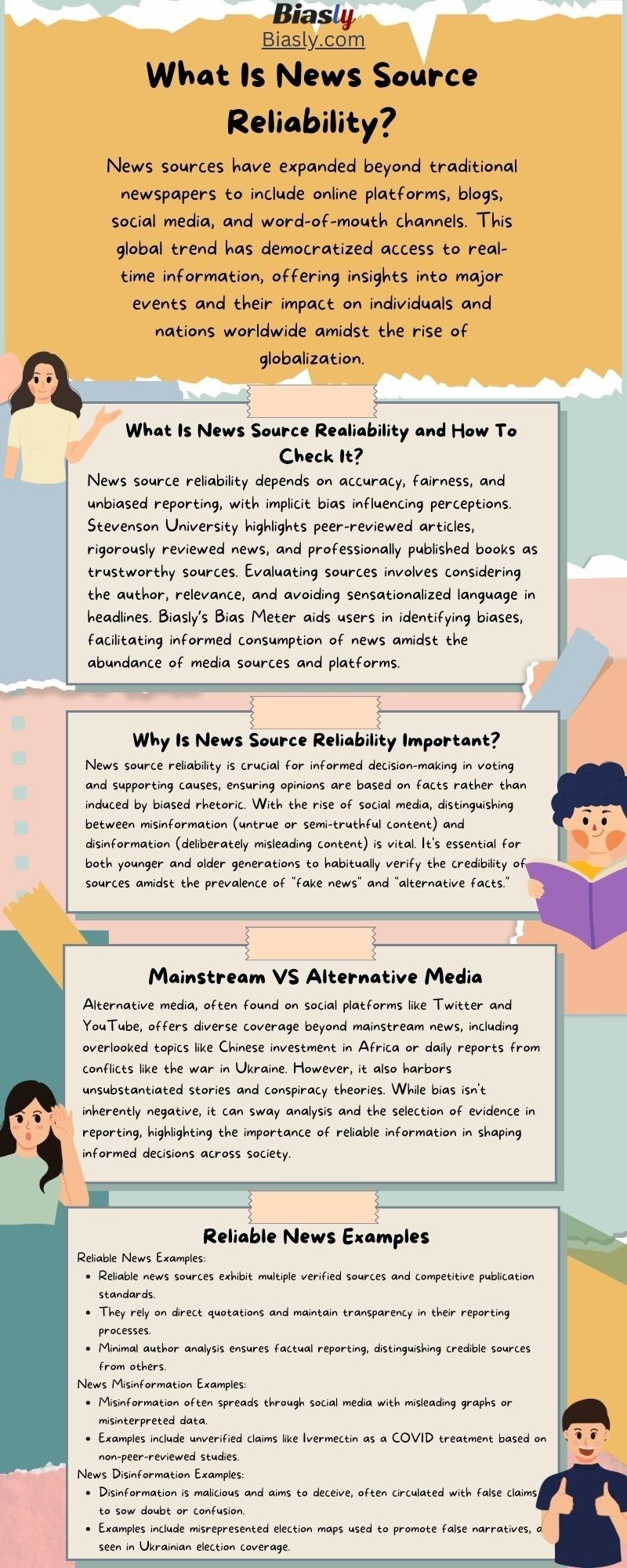
Is CNN a Trusted News Source? Evaluating Reliability in the Digital Age

What Happened to Diana Hyland Son? The Tragic Legacy of a Hollywood Heir

Richard Thomas Said Divorce Mom His 4 Kids: A Public Unraveling Amid Private Pain

The Truth Behind Ladainian Tomlinson’s Wife: Love, Privacy, and Public Scrutiny