Is Pastrami Healthy? Nutritionist-Approved Facts About Corned Beef Deli Meat
Is Pastrami Healthy? Nutritionist-Approved Facts About Corned Beef Deli Meat
Pastrami sits in a curious space between comfort food and culinary indulgence, often found piled high on rye bread or served beside pickles and mustard. Because it is processed meat, questions about its health effects are common and valid. This guide explains how pastrami fits into a balanced diet by reviewing its nutrition, associated health risks, and practical ways to enjoy it without overdoing sodium or saturated fat.
What Is Pastrami, Really?
Pastrami is traditionally made from beef plate or brisket, though versions from turkey or chicken exist. The meat is cured with salt, sugar, and spices—often including garlic, coriander, black pepper, and mustard seed—to create the characteristic corned beef base. It is then hot-smoked and steamed, which tenderizes the protein and develops the familiar savory crust. Compared with other deli meats, pastrami has a more robust flavor, so people tend to use smaller portions to achieve satisfaction.
Breaking Down the Nutrition
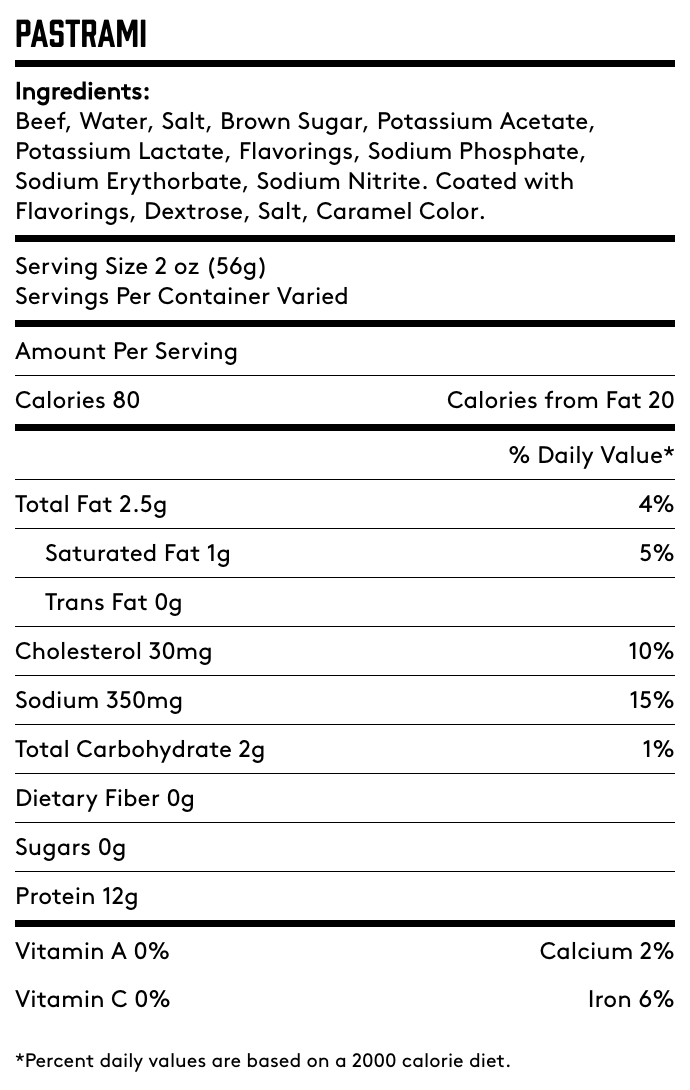
The precise nutrition of pastrami can vary depending on the cut of meat, the curing method, and whether it is homemade or purchased from a delicatessen. In general, a typical 1-ounce serving provides roughly 70 to 90 calories, 4 to 6 grams of protein, 5 to 7 grams of total fat, and 2 to 4 grams of saturated fat. Sodium is often elevated due to curing, with around 300 to 500 milligrams per ounce, depending on how aggressively the meat was seasoned.
Protein content is a notable strength, supporting muscle maintenance and satiety. Because pastrami is minimally processed compared with items like bologna or some hot dogs, it does not contain added nitrates or artificial preservatives in many traditional recipes. However, it remains a processed meat, meaning it has been transformed through curing, smoking, or salting rather than sold fresh.
Key Nutritional Highlights at a Glance
- Protein source: Contributes to daily protein needs for tissue repair and immune function.
- Relatively low in calories when consumed in small portions, such as one or two ounces.
- Contains important nutrients like iron and zinc, though these depend on the specific cut and preparation.
- Flavorful nature may encourage mindful eating, as a little goes a long way.
Potential Health Considerations
The primary health questions around pastrami revolve around sodium, saturated fat, and processed meat guidelines. Consistently high sodium intake is linked to elevated blood pressure, which in turn increases the risk of heart disease and stroke. The saturated fat content can be relevant for people managing cholesterol levels, particularly if pastrami is eaten frequently and in large portions.
Organizations such as the World Health Organization classify processed meats as Group 2A carcinogens, meaning there is limited evidence in humans but sufficient evidence from animal studies and mechanistic data. This does not mean pastrami causes cancer, but it suggests that regular high consumption may modestly raise risk over time, particularly for colorectal cancer. Context matters, including overall diet quality, physical activity, and genetic factors.
Practical Ways to Reduce Risk While Enjoying Pastrami
- Control portions by ordering or serving smaller amounts and pairing with vegetables or whole grains.
- Balance meals with potassium-rich foods like bananas, spinach, or potatoes, which can help offset sodium’s effects on blood pressure.
- Choose lower-sodium options when available, such as reduced-sodium corned beef or brands that use minimal added salt.
- Incorporate more plant-based foods across the day, such as leafy greens, beans, and fruits, to offset any potential negative impact.
- Limit frequency to special occasions rather than daily consumption, treating pastrami as a flavorful accent rather than a staple protein.
Comparing Pastrami with Other Deli Meats
When judged against other processed deli meats, pastrami often holds its own due to its preparation method and typical portion size. Because it is flavorful, people may naturally stop after one or two slices, whereas other meats might encourage larger servings. Turkey pastrami offers a leaner alternative with less saturated fat, while traditional beef pastrami delivers more iron and a bolder taste.
Compared with items like bologna or some sliced ham, which can contain added nitrates and higher sodium, well-made pastrami tends to have simpler ingredient lists. That said, the health differences between processed meats are often smaller than the differences between eating processed meats regularly and choosing fresh, unprocessed proteins like beans, lentils, fish, or poultry.
Insights from Experts
Health professionals emphasize context when discussing foods like pastrami. Nina Teicholz, an investigative journalist and author of "The Big Fat Surprise," notes that people often fear saturated fat from real foods more than the evidence supports, while added sugars and refined carbohydrates may pose greater risks in typical Western diets. She suggests that enjoying traditional foods in sensible portions can fit within a healthy pattern, provided the overall diet is balanced.
A registered dietitian or nutritionist might advise someone with hypertension or high cholesterol to treat pastrami as an occasional choice and focus on meals built around vegetables, whole grains, and legumes on other days. For otherwise healthy adults, an occasional pastrami sandwich or salad topping is unlikely to cause harm when consumed as part of a varied, minimally processed eating plan.
Making Smarter Choices When Ordering or Buying
Consumers can take simple steps to make pastrami a more health-conscious option. Reading ingredient labels helps identify products with minimal additives and reasonable sodium levels. At delis, asking for thinner slices or ordering a smaller portion can reduce both calories and sodium without sacrificing flavor.
Pairing pastrami with fiber-rich foods, such as whole-grain bread, roasted vegetables, or a hearty salad, slows digestion and promotes satiety. Adding acidic elements like mustard or pickled vegetables can enhance flavor without adding extra salt, while also helping to balance the meal’s glycemic response.
The Bottom Line on Pastrami and Health
Is pastrami healthy in the strictest sense of the word “healthy” every day in large portions? The answer is no—but this is true of many flavorful, processed foods. Pastrami can absolutely have a place in a balanced diet when treated as a flavorful component rather than a dietary foundation. Moderation, portion awareness, and thoughtful meal composition allow people to enjoy pastrami’s distinctive taste while supporting long-term health.
Related Post
Is Pastrami Healthy? Unpacking the Nutritional Truth Behind This Beloved Deli Staple

Is Pastrami Healthy? Unpacking the Nutritional Reality of this Cult Favorite
:max_bytes(150000):strip_icc():focal(999x0:1001x2)/nick-bosa-joey-bosa-5-c07f0babfc784f518cd9c4e6e17bc19f.jpg)
Meet the Bosa Brothers: Unpacking the Brotherhood and Onfield Exploits of Nick and Joey Bosa

Kaitlin Olson Family: Unveiling the Charm and Humor of a Beloved Actress's Life


