Is The Dominican Republic A Part Of The United States? Clear Facts For Confused Travelers
Is The Dominican Republic A Part Of The United States? Clear Facts For Confused Travelers
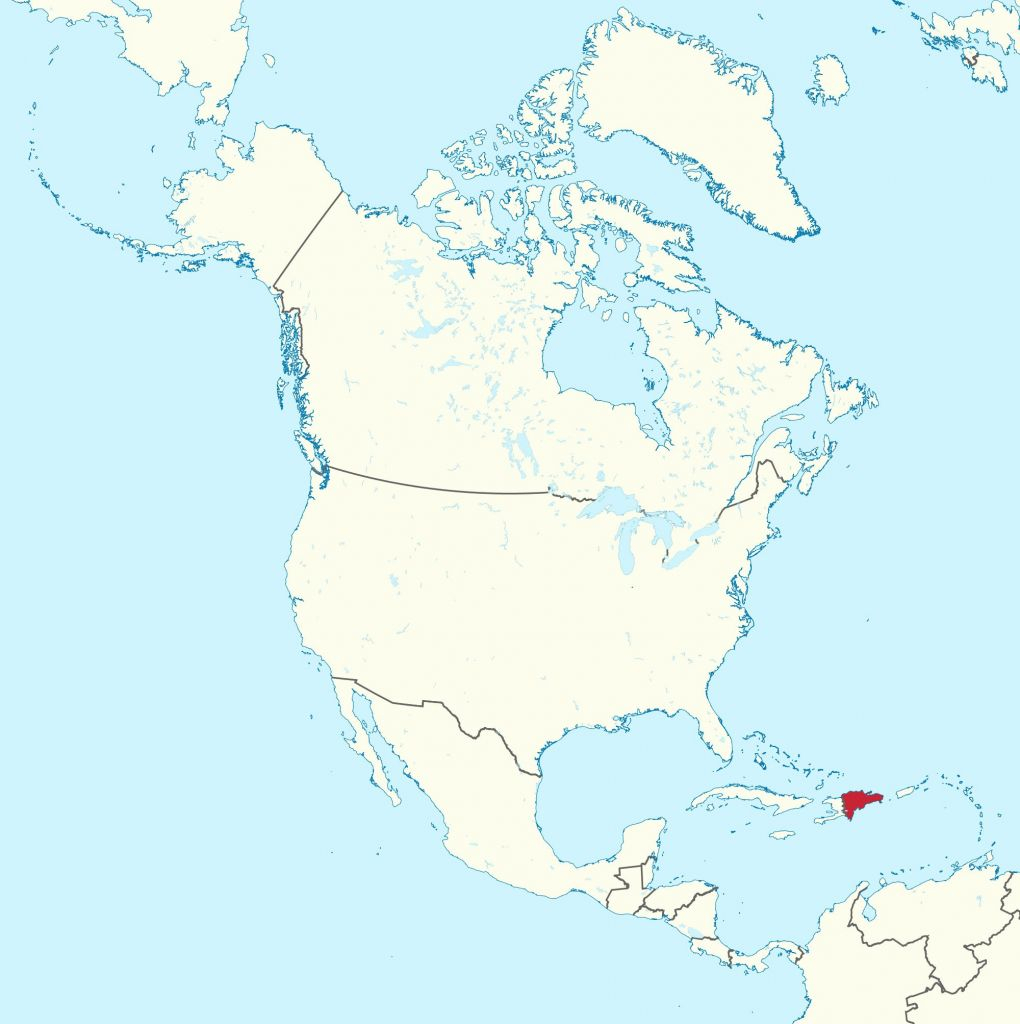
The Dominican Republic is an independent nation and not part of the United States, though both countries share the island of Hispaniola and have deep historical ties. Located in the Caribbean, the Dominican Republic governs its own laws, currency, and foreign policy, while the United States represents a separate sovereign state thousands of miles away. This article explains the historical background, political structures, and key distinctions between the two nations to clarify their relationship.
The confusion often arises from the shared island of Hispaniola, colonial histories, and the significant presence of U.S. tourists and businesses in the Dominican Republic. Understanding the legal and political reality helps travelers, businesses, and students avoid misconceptions about sovereignty and governance in the Caribbean region.
Historical Context: From Spanish Colony to Independent Nation
The Dominican Republic and the United States followed different paths to becoming the nations they are today. The eastern part of Hispaniola became a Spanish colony, while the western portion evolved under French control into what would become Haiti. In the early 19th century, the Dominican Republic gained independence, though it later faced periods of instability and brief returns to Spanish rule before establishing itself as a sovereign nation.
The United States, by contrast, emerged from British colonial rule and expanded across North America, eventually establishing itself as a global power. While the U.S. did not directly control the Dominican Republic as it did with Puerto Rico or the Philippines, it occupied the country from 1916 to 1924. According to historian Eric Paul Roorda, this period left a complex legacy, blending military administration with infrastructure development but also leaving a lasting impression on Dominican nationalism.
During the U.S. occupation, American officials attempted to modernize the Dominican economy and stabilize its finances. Many Dominican citizens, however, viewed the presence of foreign troops as a violation of their sovereignty. The occupation ended after political pressure and a shift in U.S. policy, yet memories of foreign intervention continued to shape Dominican attitudes toward external powers.
Political and Legal Distinctions
The Dominican Republic operates as a independent nation with its own constitution, elected leaders, and legal system. The country maintains diplomatic relations with the United States but controls its own borders, trade agreements, and internal policies. In contrast, the United States is a separate federal republic with no territorial claim over the Dominican Republic.
Key distinctions include:
The Dominican Republic has its own constitution, legal code, and Supreme Court, which govern matters ranging from criminal law to civil rights.
The nation elects its own president and legislators, allowing citizens to shape national policy through the ballot box.
Customs regulations, immigration laws, and tax codes are determined by Dominican authorities, not U.S. agencies.
These elements confirm that the Dominican Republic is not a territory, commonwealth, or dependency of the United States. While the two nations cooperate on issues such as security and trade, the Dominican Republic retains full control over its domestic and foreign affairs.
Economic and Cultural Ties
Despite their separate sovereignties, the Dominican Republic and the United States maintain strong economic and cultural connections. The United States is one of the Dominican Republic’s largest trading partners, and many U.S. companies operate in sectors such as tourism, manufacturing, and agriculture. Remittances from Dominicans living in the United States also play a vital role in the Dominican economy, providing financial support to families and communities back home.
Culturally, the two nations share influences but retain distinct identities. Dominican music, cuisine, and traditions reflect a unique blend of Spanish, African, and Taíno heritage, while U.S. culture has spread globally through media, technology, and popular entertainment. This cultural exchange enriches both societies but does not erase the political boundary that separates them.
Geographic and Administrative Realities
Hispaniola is home to two separate nations: the Dominican Republic and Haiti. The border between the Dominican Republic and Haiti is an internationally recognized line that defines two distinct states, each with its own government and citizens. The Dominican Republic covers the eastern two-thirds of the island, while Haiti occupies the western portion.
There are no legal provisions that would allow the Dominican Republic to become part of the United States, nor does U.S. law claim jurisdiction over the island. Any suggestion of annexation or incorporation contradicts both nations’ constitutions and international agreements.
Why the Confusion Persists
Misunderstandings about the Dominican Republic’s status sometimes stem from the visibility of U.S. tourism and business presence. Large resorts, American brands, and English-language services can create an environment that feels familiar to U.S. visitors. In areas with heavy U.S. investment, it is easy to assume a closer political relationship than actually exists.
Additionally, the significant Dominican diaspora in the United States contributes to a sense of connection between the two countries. While family ties and cultural exchange are strong, they do not alter the legal reality of national sovereignty.
Conclusion
The Dominican Republic is a sovereign nation with its own government, laws, and international obligations. It is not part of the United States, nor does it function as a territory, commonwealth, or protectorate under U.S. administration. Historical interactions, economic partnerships, and cultural exchanges shape the relationship between the two countries, but they do not redefine the political boundaries that separate them. For travelers, investors, and students, understanding this distinction is essential for navigating the Caribbean with clarity and respect for national sovereignty.
Related Post