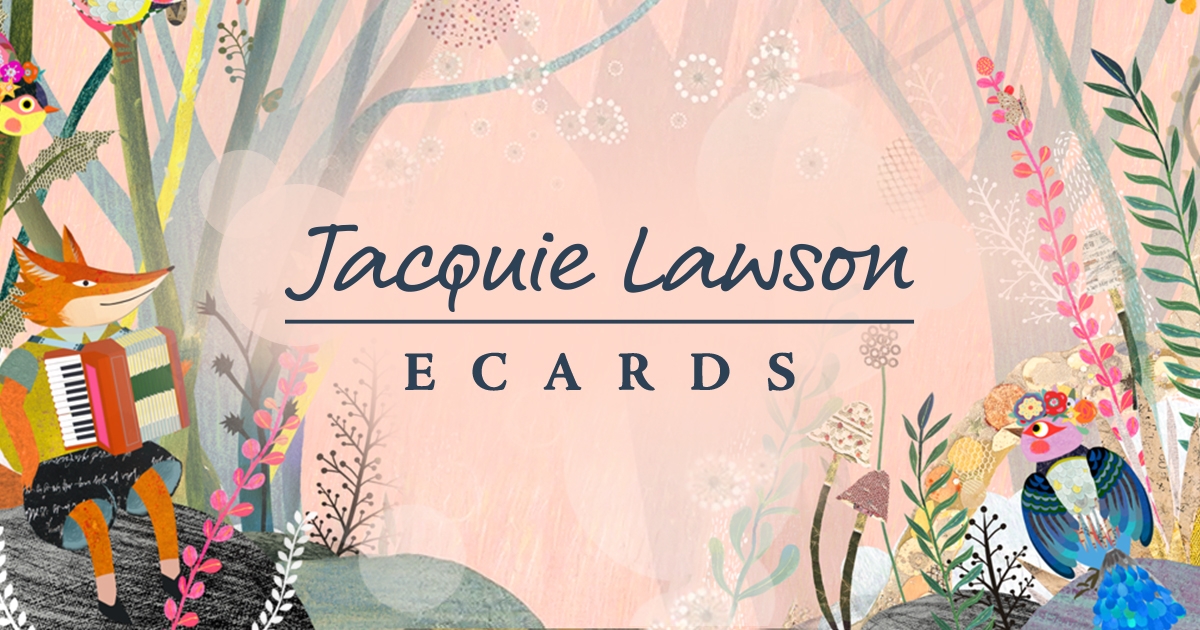
Jacquie Lawson Ecards: How a Digital Pioneer Redefined Online Greetings
Jacquie Lawson Ecards: How a Digital Pioneer Redefined Online Greetings
Jacquie Lawson transformed digital communication by turning static emails into living, breathing experiences long before the term “animated” became synonymous with online expression. Her eCards, celebrated for lush watercolor artistry and subtle animations, demonstrated that virtual messages could carry emotional weight comparable to paper cards. This article examines how Lawson’s work established new aesthetic and functional standards for electronic correspondence while exploring her complex relationship with a rapidly evolving internet landscape.
Lawson’s journey began not in a tech hub but in the quiet corners of personal correspondence, where she recognized a void in digital warmth. Her early experiments with animated GIFs—viewed by many as chaotic distractions—were instead meticulously crafted narratives designed to extend the sentiment behind a message. Unlike commercial spam that cluttered inboxes, her creations felt intimate and deliberate, inviting recipients into a world where snow gently fell or teacups clinked in celebration.
The platform that bore her name operated during an era when dial-up connections were the norm, yet she optimized her files for slow loading without sacrificing dreamlike detail. This technical constraint became a creative advantage, pushing Lawson to innovate within limitations that newer designers rarely face. Her signature watercolor techniques, painstakingly digitized frame by frame, gave internet-based cards a legitimacy that art institutions would eventually acknowledge. She didn’t simply digitize greetings; she authored a new visual language for the web.
What distinguished Jacquie Lawson Ecards from competitors wasn’t merely animation but narrative cohesion. Each card functioned as a micro-story, with beginning, middle, and end sequences that unfolded over several seconds. A birthday card might start with a blank page, then gradually reveal illustrations as if being drawn in real time, culminating in a personalized message area. This progression created psychological investment, making the recipient complicit in the experience rather than a passive observer.
- Visual poetry through motion: Lawson treated watercolors like living paintings, allowing pigments to bloom and drip across the screen in ways impossible on physical paper.
- Emotional pacing: She synchronized audio—often original compositions or subtle sound effects—with visual cues to align the recipient’s emotional rhythm.
- Personalization as ritual: Recipients entered names that appeared handwritten, transforming mass-produced templates into bespoke artifacts.
Industry observers noted that Lawson elevated electronic correspondence beyond utility into the realm of art. “She understood that a screen could hold more than text; it could hold feeling,” remarked digital culture historian Elena Maris in a 2018 interview. This perspective positioned Jacquie Lawson not merely as a designer but as a conceptual artist working within ephemeral digital formats. Her cards became archived artifacts, studied in university courses examining internet aesthetics and early digital folk art.
Technical innovation underpinned her artistic vision. Lawson wrote code that allowed her complex watercolor sequences to function within the severe limitations of late-1990s browsers. She compressed files without losing the delicate transparency of her washes, a balancing act that required intimate knowledge of both art and technology. Her work prefigured today’s interactive web design principles, where user engagement and temporal storytelling are paramount.
The business evolution of Jacquie Lawson Ecards reflected broader shifts in digital consumption. Initially distributed freely through email chains and early web directories, the cards gradually attracted commercial attention as brands recognized their marketing potential. Partnerships with corporations brought both resources and constraints, testing Lawson’s commitment to artistic integrity amid commercial pressures. She maintained editorial control, ensuring that collaborations enhanced rather than diluted her distinctive aesthetic.
As social media and instant messaging dominated digital interaction, the relevance of formal eCards seemed to diminish. Yet Lawson’s influence persisted in unexpected ways—animated stickers, GIF responses, and even streaming interfaces borrowed her principles of looping, poetic motion. Her cards became reference points for designers seeking to inject humanity into sterile interfaces, proving that her work transcended the specific medium of electronic greeting cards.
Documenting Lawson’s legacy reveals a paradox: a pioneer whose medium was inherently ephemeral, yet whose artistic achievements gained permanence through archival efforts. Internet archives now preserve thousands of her cards, allowing new generations to study techniques that once existed only briefly on flickering screens. This preservation underscores a broader truth about digital art—its survival depends on conscious curation, not passive accessibility.
Contemporary analysts suggest that Jacquie Lawson Ecards represent a vanished era of internet optimism, when personal expression outweighed algorithmic optimization. In today’s landscape of metrics-driven content, her work reminds us that digital creations can prioritize emotional resonance over engagement statistics. The cards’ enduring appeal lies in their balance of sophistication and accessibility—complex enough to impress artists, simple enough to move non-technical users.
The global reach of Lawson’s vision became evident as translations and adaptations emerged across languages and cultures. International fans meticulously recreated her techniques using local artistic traditions, demonstrating how her core principles transcended Western watercolor conventions. This organic diffusion illustrated the most profound impact of Jacquie Lawson’s work: it empowered others to see digital spaces as canvases for genuine human expression rather than mere conduits for information.
As technology continues accelerating toward virtual reality and immersive environments, the foundational work of artists like Lawson becomes increasingly significant. Her understanding that digital experiences require emotional authenticity—no matter the platform—offers guidance for today’s creators navigating emerging mediums. The quiet revolution she sparked in email inboxes continues to echo through every thoughtfully designed digital interaction that prioritizes heart alongside hardware.
Related Post

Unlocking the Magic of Jacquie Lawson Ecards: A Journey of Innovation and Sentiment
Unlock the Magic of Jacquie Lawson Ecards: Explore, Discover, and Enjoy!
Jacquie Lawson Ecards: The Pioneering Platform That Reinvented Digital Greetings And Why It Still Matters Today
Unlock the Magic of Jacquie Lawson Ecards: A World of Digital Greetings