Jakarta: The Shifting Saga of Indonesia's Capital, From Colonial Anchor to Planned Future
Jakarta: The Shifting Saga of Indonesia's Capital, From Colonial Anchor to Planned Future
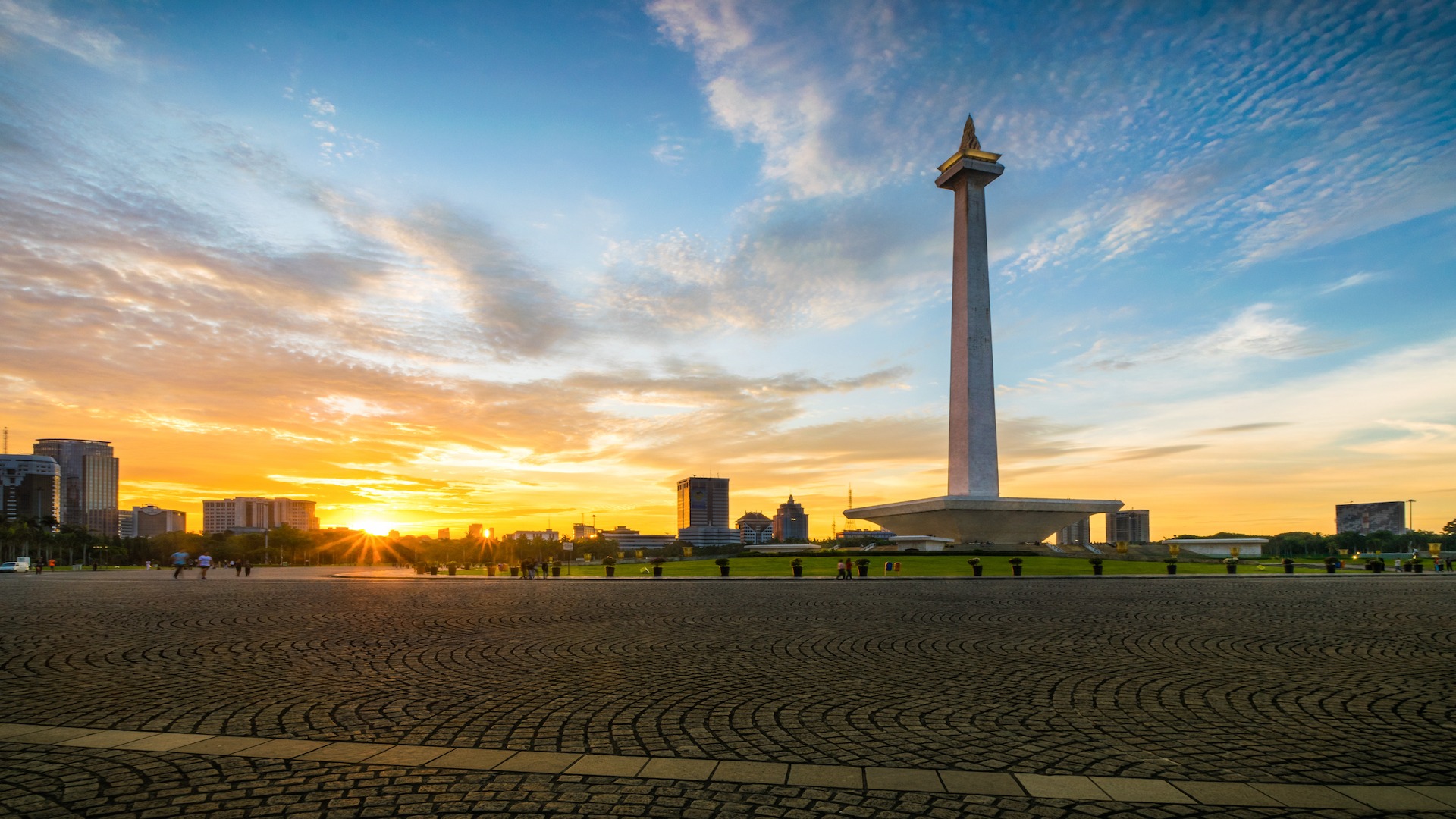
For centuries, Jakarta has served as the pulsating heart of Indonesia, a sprawling metropolis where colonial history, chaotic urbanization, and ambitious state-building converge. More than just the country's administrative and economic engine, the capital embodies the complex narrative of a young nation striving for progress against formidable geographical and logistical challenges. This article examines the profound rationale behind the controversial decision to relocate the capital, dissects Jakarta's current realities, and explores the monumental task of forging Nusantara in the remote landscapes of Borneo.
The Historical Crucible: From Sunda Kelapa to Global City
Jakarta's story is intrinsically linked to its strategic location on the northwest coast of Java. Originally a small harbor town named Sunda Kelapa, it was successively shaped by the Hindu Kingdom of Sunda, the Islamic Sultanate of Demak, and the Dutch East India Company (VOC). Renamed Jayakarta and later Batavia, it became the cornerstone of the Dutch colonial empire in Asia, earning the moniker "Queen of the East."
The modern era brought independence, and with it, a new identity: Jakarta. In 1961, President Sukarno's government enacted the Law No. 4 on the Capital City, formally establishing Jakarta as the Republic of Indonesia's capital. The city's trajectory since has been one of relentless, often unplanned, expansion. It transformed from a colonial administrative center into a dynamic, yet increasingly strained, megacity of over 10 million people in the urban core, with a metropolitan population exceeding 30 million.
The Decisive Shift: Why Jakarta Had to Change
The announcement in 2019 that Indonesia's capital would be moved to Kalimantan (Indonesian Borneo) was not a whimsical decision but the culmination of decades of mounting pressures. President Joko Widodo framed the move as a necessity for the nation's future, citing a litany of critical issues plaguing Jakarta.
1. Sinking Land and Rising Seas
Jakarta is one of the fastest-sinking cities in the world. Parts of the northern district, including the coastal business center of North Jakarta, are subsiding at a rate of up to 25 centimeters per year. This alarming phenomenon, primarily driven by the over-extraction of groundwater, is exacerbated by sea-level rise. The city is paradoxically both sinking and vulnerable to increasingly frequent and severe coastal flooding, threatening its very physical foundation.
2. Crippling Congestion and Infrastructure Strain
The infrastructure of a capital built for millions is buckling under the weight of a vastly larger population. Jakarta's traffic congestion is legendary, costing the economy an estimated billions of dollars annually in lost productivity and fuel. Despite a burgeoning network of highways and a developing mass transit system, the public transportation infrastructure struggles to keep pace with demand, impacting the daily lives of workers and the efficiency of government operations.
3. Environmental Degradation and Public Health
Seasonal haze from land-clearing fires, often in neighboring Sumatra and Borneo, regularly engulfs Jakarta in a toxic smog that poses severe health risks. Within the city, air pollution from vehicle emissions and industrial activity remains a persistent concern. Combined with the challenges of waste management and pollution in its rivers, the environmental quality of life in Jakarta is a significant and ongoing challenge.
The Monumental Task: Building Nusantara
The response to Jakarta's plight is a project of unprecedented scale: the development of Nusantara, a new administrative capital on the island of Borneo. Located in the East Kalimantan region, on the border between the provinces of North Penajam Paser and Kutai Kartanegara, the new capital site was selected for its relative stability, abundant land, and symbolic position closer to Indonesia's geographic center.
Vision and Development
Designed as a "Forest City," Nusantara aims to integrate modern governance infrastructure with a strong emphasis on green spaces and environmental sustainability. The government's master plan includes not only the Presidential Palace, parliament buildings, and government ministries, but also residential areas, commercial zones, and world-class educational and research facilities. The ambition is to create a smart, resilient, and zero-carbon footprint capital city.
Challenges and Controversies
The transition is fraught with complexity. The colossal financial cost, estimated in the tens of billions of dollars, has drawn criticism, especially amid widespread poverty and other pressing domestic needs. The project also carries significant environmental and social risks, including the potential disruption of indigenous Dayak communities and the fragile Borneo ecosystem. Furthermore, the logistical nightmare of relocating thousands of civil servants and their families is a daunting administrative challenge that will span many years.
Jakarta Today: A City in Transition
While the future is being penned in Kalimantan, Jakarta remains the undisputed engine of Indonesia. Its port is the busiest in the nation, its financial district is the country's hub, and its dynamic cultural scene is a major draw. The city is not standing still. Authorities are pushing ambitious revitalization projects, including the development of an integrated coastal revitalization area (Coastal City) and the continued, albeit slow, expansion of its metro and light rail systems.
These efforts aim to address immediate problems and improve the quality of life for those who will remain. However, they are largely seen as mitigation measures rather than a solution to the city's fundamental vulnerabilities. The fate of Jakarta is thus dualistic: it is simultaneously the vital, beating heart of the nation and a cautionary tale of urbanization pushed beyond its limits, even as a significant part of its legacy and identity will be physically left behind.
A New Chapter for a Nation
The relocation of Indonesia's capital is arguably the most significant geopolitical and urban planning decision the country has made since independence. It represents a bold, albeit controversial, attempt to reset the nation's trajectory, decoupling its administrative identity from the profound physical and logistical burdens of its current location. Success or failure in Nusantara will shape Indonesia's administrative efficiency, economic balance, and environmental stewardship for generations. Meanwhile, Jakarta’s saga continues, a powerful symbol of a nation grappling with its past while striving to build a sustainable and prosperous future.
Related Post
Unlock the Secrets of Indonesia's Capital and Currency: Your Quick Guide
Did You Know: Indonesia's Capital: A Guide To Jakarta
Indonesia's National Envy: Why Its Capital Is Moving to a New Haven
Unveiling the Hidden Gem: The Surprising Facts About Jakarta, Indonesia's Vibrant Capital


