Jamal Adeen Thomas: The Alchemist Turning Data Chaos into Digital Gold
Jamal Adeen Thomas: The Alchemist Turning Data Chaos into Digital Gold
In an era defined by information overload, Jamal Adeen Thomas has emerged as a pivotal figure transforming how organizations harness their most valuable asset: data. As a data strategy architect and change management specialist, Thomas has helped multinational corporations navigate the treacherous waters of digital transformation, turning fragmented information systems into cohesive, revenue-generating engines. His approach blends technical expertise with a profound understanding of human behavior, making him a sought-after voice in the intersection of technology and business evolution.
Thomas's career trajectory reads like a roadmap of the modern digital economy. Beginning his professional journey in the late 1990s, he witnessed firsthand the dot-com boom and bust, which fundamentally shaped his pragmatic approach to technology investments. Rather than chasing trends, Thomas developed a methodology focused on aligning data initiatives with concrete business outcomes. This philosophy has guided his work across financial services, healthcare, and retail sectors, where he has consistently delivered measurable improvements in data utilization and decision-making processes.
The complexity of Thomas's work lies not in the technology itself, but in the human systems surrounding it. "Data initiatives fail not because of technical limitations, but because we underestimate the organizational inertia and cultural resistance that accompanies any meaningful change," Thomas explains. His specialty lies in identifying these hidden obstacles and developing strategies to overcome them, ensuring that data governance frameworks don't become bureaucratic burdens but instead become enablers of innovation.
One of Thomas's core contributions to the field is his framework for data maturity assessment. This systematic approach evaluates an organization across five key dimensions:
1. Data Infrastructure and Architecture
2. Data Quality and Governance
3. Analytics Capabilities and Tools
4. Organizational Culture and Skills
5. Business Integration and Value Realization
By scoring organizations on these dimensions, Thomas helps leadership teams identify specific pain points and prioritize interventions that deliver the highest impact. His methodology has been particularly effective in companies undergoing merger and acquisition activities, where disparate data systems must be harmonized without disrupting ongoing operations.
In a recent case study highlighted in a leading industry publication, Thomas worked with a multinational financial services firm struggling with regulatory compliance. The company faced significant challenges in consolidating customer data across multiple business units, each with its own systems and reporting requirements. Through a phased approach that combined technical solutions with change management initiatives, Thomas helped reduce compliance preparation time by 60% while simultaneously improving data accuracy. "We didn't just implement new technology," Thomas notes. "We fundamentally redesigned how information flows through the organization, making compliance a natural byproduct of efficient operations rather than a constant struggle."
Thomas's thought leadership extends beyond consulting engagements. He is a frequent speaker at industry conferences and has contributed to several academic papers on the subject of organizational data literacy. His writing emphasizes that true data-driven organizations don't just collect information—they cultivate environments where insights naturally emerge from every level of the company. This requires breaking down silos, not just technically, but culturally, so that data becomes a shared language rather than a battleground of competing interpretations.
Another significant aspect of Thomas's work focuses on the ethical dimensions of data utilization. In conversations with business leaders, he consistently emphasizes that trust is the ultimate currency in the data economy. Organizations that leverage customer data transparently and responsibly not only mitigate regulatory risks but also build enduring relationships. Thomas has been instrumental in helping companies develop ethical frameworks for data usage that balance innovation with consumer protection, creating sustainable competitive advantages in increasingly regulated markets.
Looking ahead, Thomas sees artificial intelligence as less a revolutionary disruption and more an evolution of existing data capabilities. "The principles that made successful data initiatives in the past twenty years will continue to apply," he argues. "What will change is the speed of insight generation and the sophistication of pattern recognition. Organizations that have built solid data foundations will find AI integration significantly easier than those attempting to bolt AI onto fragmented systems."
For professionals seeking to understand the practical application of data strategy, Thomas offers straightforward advice: focus on outcomes, not outputs. Rather than measuring success by the number of dashboards created or reports generated, evaluate how data initiatives improve specific business processes. This outcome-focused approach ensures that data investments deliver tangible value rather than becoming technology projects in search of purpose.
As the pace of digital transformation accelerates, the ability to transform raw information into actionable business intelligence has never been more critical. Thomas's work provides organizations with the methodologies and frameworks needed to navigate this complexity successfully. His emphasis on combining technical implementation with cultural change management addresses what many consultants overlook—the human element that ultimately determines whether data initiatives succeed or fail.
In an interview with a major business journal, Thomas summarized his approach: "Data strategy isn't about technology. It's about creating an organization that can learn faster than its competitors. Every decision, whether strategic or tactical, should be informed by evidence rather than intuition. My role is to help organizations build the muscle memory to make that reality sustainable." This philosophy has positioned Jamal Adeen Thomas not merely as a consultant, but as a thought partner in the ongoing evolution of how businesses understand and leverage their most critical asset—their data.
Related Post
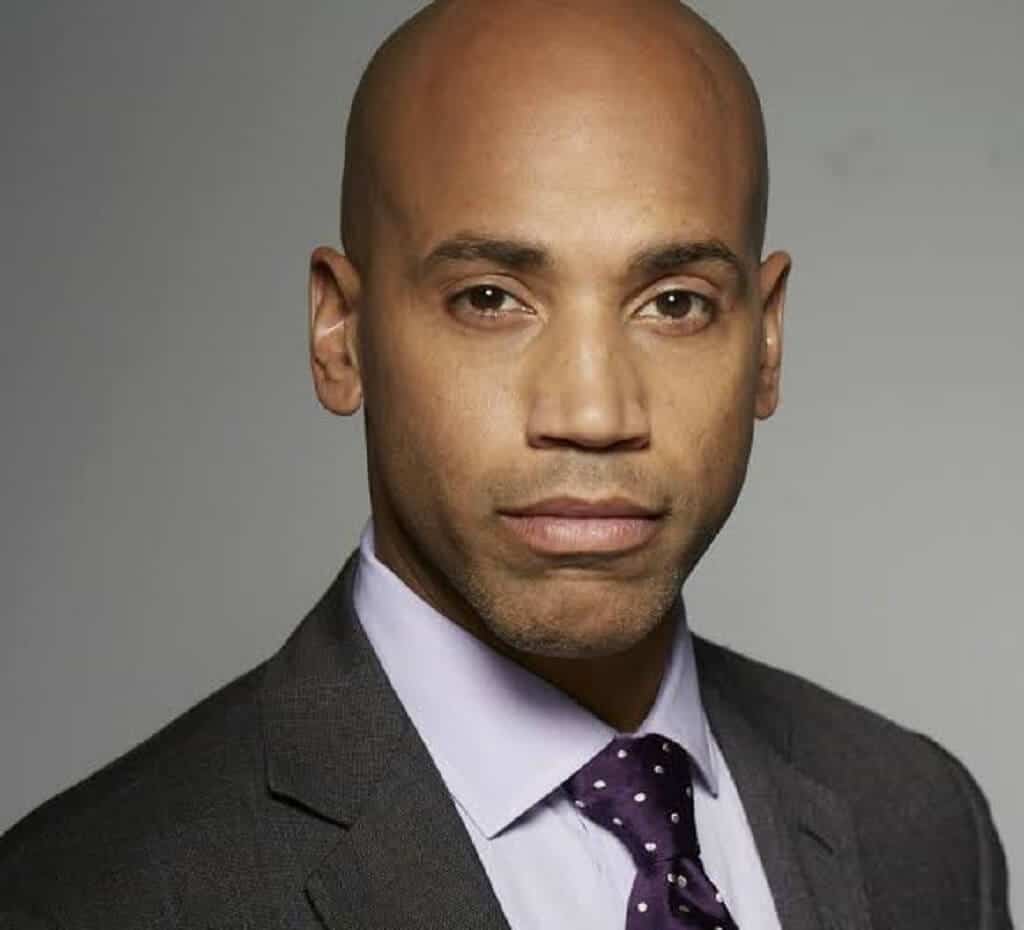
Meet Jamal Adeen Thomas Clarence Thomas Son with Kathy Ambush: A Low-Key Union of Two Public-Facing Worlds

First Wife Bio: Unlocking the Life Story of Jamal Adeen Thomas — The Central Figure in a Public Compass

Jamal Adeen Thomas Confronts Legacy and Identity in Sweeping Meeting with His Son

Jamal Adeen Thomas’ Wife: A Portrait Beyond the Spotlight


