Jamie Afifi: Decoding Communication Patterns in Digital and Personal Crises
Jamie Afifi: Decoding Communication Patterns in Digital and Personal Crises
Jamie Afifi, a prominent communication scholar, has spent two decades dissecting how humans interact under stress. Her research focuses on the intricate dance between technology, relational health, and crisis management. This article explores the core tenets of her work, illustrating how her theories explain our hyper-connected yet often disconnected world.
The digital age has fundamentally altered how we perceive and manage personal crises. From the instantaneous nature of social media to the constant hum of mobile notifications, our communication landscape is in a state of perpetual flux. Understanding these shifts is not merely an academic exercise; it is essential for navigating the complexities of modern relationships, mental health, and organizational resilience. Afifi’s work provides the lens through which we can interpret the often-chaotic communication patterns that emerge when life throws unexpected challenges our way.
### The Foundations of Communication Under Stress
At the heart of Jamie Afifi's research is the exploration of how people communicate when faced with significant life stressors. These stressors can range from job loss and health scares to the mundane but persistent stress of everyday life. Traditional communication models often fail to capture the dynamic and messy reality of these situations. Afifi’s work moves beyond static models to examine the fluid, often reactive nature of communication during these times.
Her research posits that communication is not a one-way transmission of information but a complex, reciprocal process. When stress hits, this process is amplified and distorted. People may become more reactive, less empathetic, or alternatively, more withdrawn. Afifi seeks to understand the "why" behind these reactions. What drives a person to lash out, to shut down, or to seek an overwhelming amount of support? Her work provides a framework for understanding these behaviors, moving the conversation from judgment to comprehension.
A key concept within her research is the idea of "communication constraints." These are the factors—whether technological, temporal, or emotional—that limit our ability to communicate effectively. For instance, the constraint of time might prevent a deep, meaningful conversation, leading to a rushed and unsatisfactory exchange. The constraint of technology might be the poor signal that drops a video call during a critical moment. Afifi meticulously analyzes how these constraints shape the outcomes of our interactions, especially during high-stress periods.
### The Role of Technology in Modern Crisis Communication
One of the most significant areas of Afifi's work examines the double-edged sword of technology in crisis. On one hand, technology offers unprecedented access to support networks. A person going through a difficult time can instantly connect with friends and family across the globe via a phone call or a social media post. This constant connectivity can provide a vital safety net.
On the other hand, this same connectivity can create new forms of stress and misunderstanding. The "always-on" culture can lead to an expectation of immediate responses, adding pressure to an already strained individual. Miscommunication is rampant in digital formats, where tone and nuance are easily lost. A terse email or a cryptic text message can be misinterpreted, exacerbating an existing crisis. Afifi’s research delves into these paradoxes, seeking to understand when technology acts as a bridge and when it becomes a barrier.
Her findings suggest that the medium of communication is just as important as the message itself. A crisis managed poorly over text can be de-escalated with a thoughtful phone call. The richness of face-to-face interaction, where body language and vocal tone provide crucial context, is often irreplaceable. Afifi's work encourages a more mindful approach to digital communication, particularly during tough times. It’s a call to be aware of the limitations of our tools and to choose the right channel for the right message.
### Applying Afifi’s Framework: Real-World Examples
The practical applications of Jamie Afifi's communication theories are vast and varied. In the corporate world, her research can inform how companies support employees during layoffs or organizational restructuring. Understanding the communication constraints employees face can help managers craft more compassionate and effective messaging strategies. Instead of a cold, mass email, a more personal, targeted approach might mitigate some of the trauma associated with job loss.
In the realm of personal relationships, her work is equally insightful. Consider the classic scenario of a couple arguing via text. The lack of nonverbal cues can turn a minor disagreement into a full-blown conflict. By applying Afifi’s framework, individuals can recognize the limitations of text-based communication and choose to have the conversation in person or over the phone when the topic is sensitive. It provides a roadmap for navigating difficult conversations with greater empathy and effectiveness.
Here is a breakdown of how her principles can be observed in action:
* **The Job Loss Scenario:** An employee receives a termination notice via email. The constraint of the impersonal medium leads to feelings of dehumanization and anger. A manager following Afifi’s principles might opt for a video call, allowing for a more humane and supportive exchange, despite the difficult news.
* **The Health Crisis:** A family member receives a worrying medical diagnosis. The stress of the situation leads to fragmented communication among family members, with information being shared inconsistently. By recognizing the communication constraints of stress and anxiety, the family can implement a more structured system for sharing updates, perhaps designating one person as the primary point of contact.
* **The Relationship Strain:** Partners are in a prolonged argument. The constraint of time and the heat of the moment lead to communication breakdown. Recognizing this, one partner might suggest a time-out, stating, "I want to hear you, but I can't do it right now. Can we talk in an hour when we can both be present?" This act of acknowledging the constraint is a key part of Afifi’s communicative competence.
### The Future of Communication Studies
Jamie Afifi’s work is not static; it is a evolving dialogue with the ever-changing communication landscape. As new technologies emerge—from virtual reality meetups to AI-driven communication tools—her research will continue to provide a critical lens through which to evaluate their impact on human interaction. The future of her field lies in understanding not just how we communicate, but how our communication tools shape our very identities and relationships.
Her research serves as a vital reminder that behind every screen, every message, and every notification is a human being with complex emotional needs. In a world that often prioritizes speed and efficiency, Afifi’s work champions the importance of understanding, empathy, and mindful communication. She provides the tools to not just survive a crisis, but to navigate it in a way that strengthens, rather than fractures, the connections that define us.
Related Post

Lawyer Jamie Afifi: Redefining Legal Excellence Through Vision, Integrity, and Impact

Jamie Afifi Lawyer: Navigating Legal Complexity with Precision and Advocacy
Lawyer Jamie Afifi: Navigating Complex Legal Waters With Strategic Insight
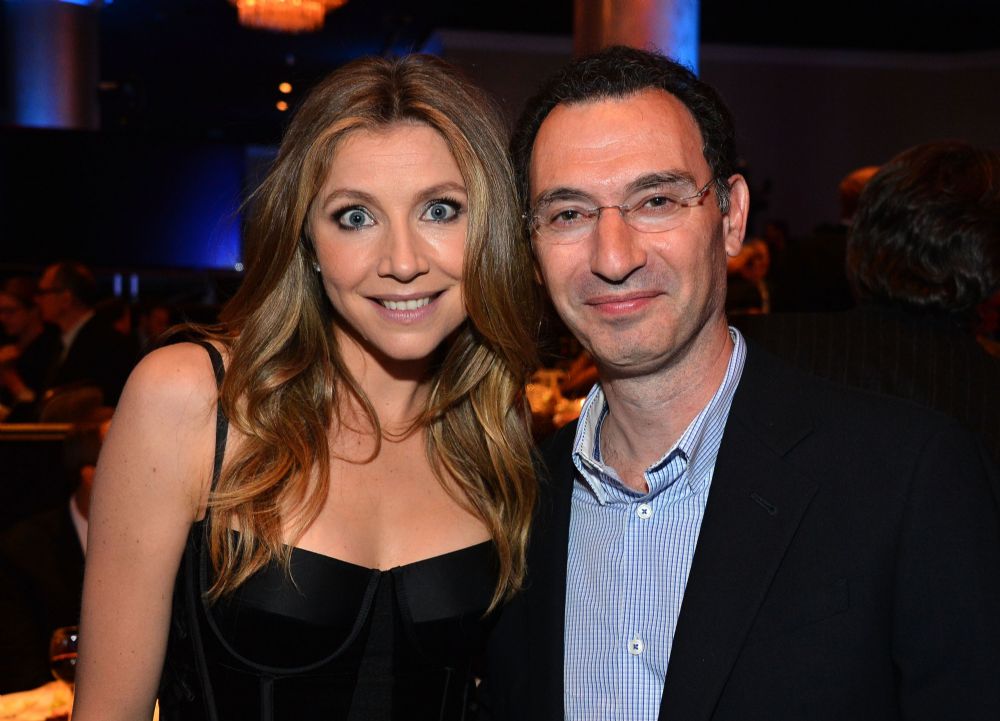
Jamie Afifi and Sarah Chalkes’ 16-Year Fiancé Union: A Young Love That Stirred Public Interest


