J.K. Rowling Age: The Evolution of a Literary Icon Through the Years
J.K. Rowling Age: The Evolution of a Literary Icon Through the Years
J.K. Rowling, the author who transformed from a single mother on welfare to one of the world's most influential storytellers, has navigated a remarkable journey spanning over two decades. Born Joanne Rowling on 31 July 1965, the wizarding world she created through the Harry Potter series has not only defined a generation of readers but also established her as a cultural force whose influence extends far beyond literature. At nearly 59 years old, she continues to evolve, confronting personal challenges while expanding her creative universe through new narratives and forms of activism.
The trajectory of Rowling's career mirrors the fantastical journey of her protagonist Harry Potter, from obscure beginnings to global superstardom. Her age and experience have fundamentally shaped not just the stories she tells, but how those stories resonate with increasingly diverse audiences across multiple generations.
Early Life and the Genesis of a Phenomenon
Rowling's formative years in Gloucestershire, England, and later her studies at the University of Exeter, laid the intellectual foundation that would later support her intricate world-building. Born in an era predating the internet, she developed habits of deep reading and meticulous note-taking that would become hallmarks of her writing process.
The concept for Harry Potter first emerged during a delayed train journey from Manchester to London in 1990, when Rowling was 25 years old. What followed was a decade-long journey of poverty, rejection, and perseverance before Bloomsbury finally accepted her manuscript in 1997. During this period of struggle, she was a young mother navigating the complexities of single parenthood while battling depression.
* She conceived the idea for Harry Potter in 1990, shortly after the death of her mother.
* The first book was rejected by 12 publishers before being accepted.
* Rowling wrote much of the initial book in local cafes to stay warm, as she could not afford heating in her apartment.
The publication of "Harry Potter and the Philosopher's Stone" (or "Sorcerer's Stone" in the US) in 1997 marked not just the beginning of a series but the dawn of a new literary era. Rowling was in her early 30s, balancing the precarious life of a emerging author with the demands of raising her daughter.
The Peak of the Phenomenon: The 2000s
As the books gained international acclaim, Rowling's age became less relevant than the cultural force she represented. The film adaptations turned Daniel Radcliffe, Emma Watson, and Rupert Grint into global superstars, while the author maintained an aura of mystery through carefully managed public appearances.
During the height of the franchise, Rowling transitioned from being simply an author to a cultural commentator and philanthropist. Her public persona evolved from the reative "Jo" to the more formal "J.K. Rowling," reflecting her growing awareness of the platform that her books had created.
1. **2000**: Rowling was granted honorary citizenship of the City of London.
2. **2001**: She married Dr. Neil Murray, and the couple had two children together.
3. **2003**: "Harry Potter and the Order of the Phoenix" was published, becoming the fastest-selling book in history at that time.
4. **2005**: The final two books were published within months of each other, concluding the main series arc.
5. **2007**: The release of "Deathly Hallows" was a global cultural event, with fans camping for days outside bookstores.
By the conclusion of the main series, Rowling had entered her early 40s, having achieved financial independence and global recognition. Her journey from welfare recipient to billionaire author became a staple of motivational narratives worldwide, demonstrating the transformative power of perseverance and imagination.
Beyond Hogwarts: The Middle Years and Expansion
With the conclusion of the Harry Potter series, Rowling faced the challenge of defining her identity beyond the character that had dominated her adult life. She moved to Edinburgh, Scotland, where she continues to reside, and began exploring new literary territories.
The Cormoran Strike series, published under the pseudonym Robert Galbraith, marked a significant departure from the fantasy genre. These crime novels allowed Rowling to flex different creative muscles, receiving critical acclaim for their intricate plotting and nuanced characterization. This period, spanning her late 40s and early 50s, demonstrated her versatility as a writer and her desire to be judged on merit rather than on the success of a previous franchise.
Simultaneously, she became more vocal on social and political issues, using her platform to advocate for causes ranging from poverty alleviation to LGBTQ+ rights. Her philanthropic efforts through organizations like Lumos, which she founded in 2005, reflected a commitment to systemic change rather than just charitable donations.
The Later Chapter: Contemporary Context and Continuing Influence
As Rowling enters her late 50s, her influence remains potent, though it has become increasingly complex. The Wizarding World of Harry Potter expanded into a multi-billion dollar franchise under Warner Bros., encompassing theme parks, merchandise, and spin-off films like "Fantastic Beasts."
However, the conversation surrounding Rowling in recent years has necessarily included discussions of her views on gender identity, which have generated significant controversy and impacted public perception of her legacy. This evolution underscores how an author's personal journey and public statements can become inextricably linked to their artistic legacy.
Despite these complexities, the literary achievement remains. According to Guinness World Records, the Harry Potter series has sold more than 500 million copies worldwide, making it the best-selling book series in history. This statistic transcends the controversies, speaking to the profound impact these stories have had on global culture.
Rowling's age and the passage of time have allowed for a more nuanced examination of her work and its place in literary history. While the cultural conversation has expanded to include critical perspectives, the foundational achievement of creating a beloved world that inspired millions of readers remains undeniable. Her current work, whether through new writings, public statements, or philanthropic endeavors, continues to be scrutinized, ensuring that her influence will be discussed for years to come.
Related Post
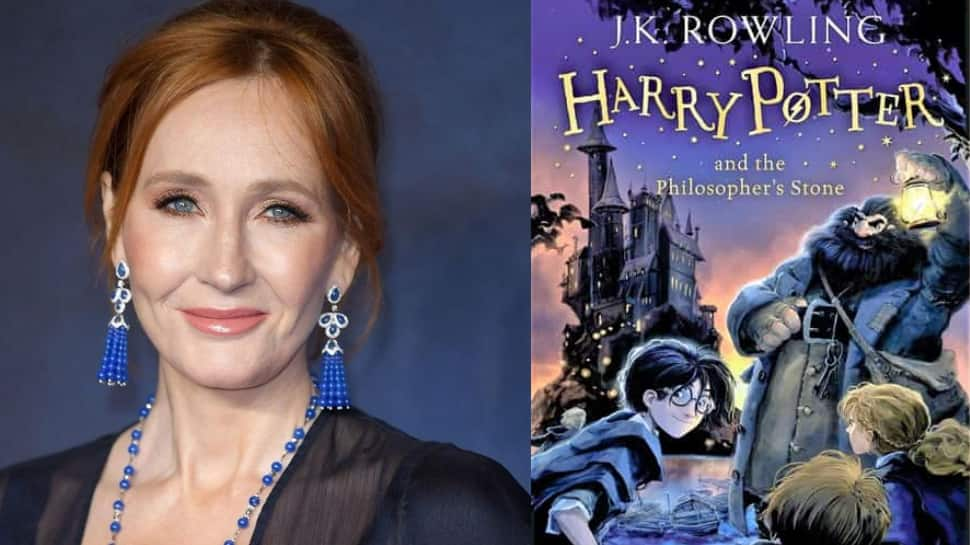
How J.K. Rowling’s Age Shaped a Literary Phenomenon and Global Cultural Legacy


