Knoxville TN Time Zone: Why East Tennessee’s Clock Matters More Than You Think
Knoxville TN Time Zone: Why East Tennessee’s Clock Matters More Than You Think
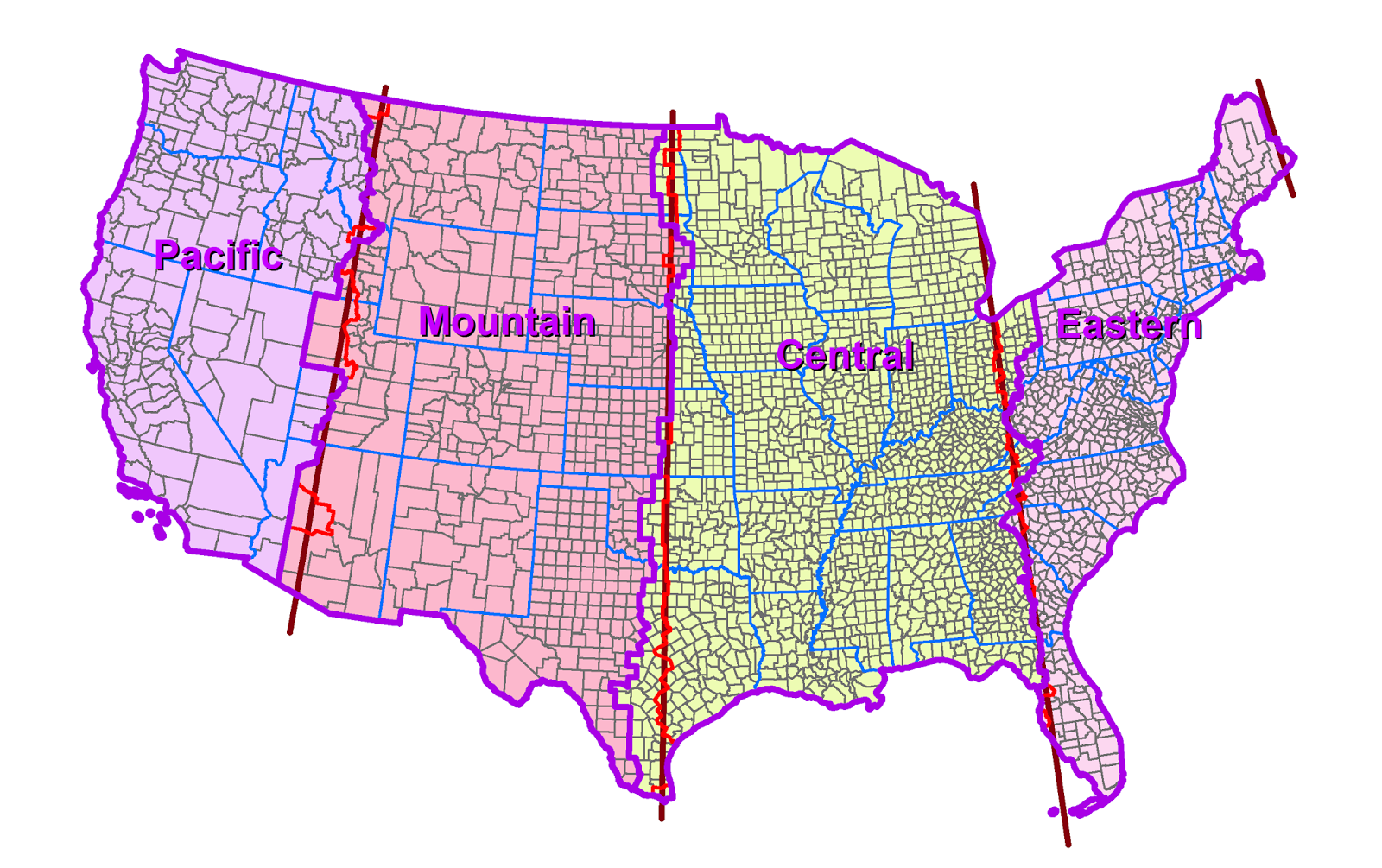
Knoxville, Tennessee, operates on Eastern Time, aligning with major U.S. markets while observing Daylight Saving Time twice annually. This time zone placement shapes business hours, broadcasting schedules, and digital coordination across the region. Understanding Knoxville’s time framework helps residents, travelers, and remote workers synchronize activities with both national and local rhythms.
Located in the eastern third of Tennessee, Knoxville serves as a regional hub for commerce, healthcare, and education. Its position within the Eastern Time Zone connects the city to Atlanta, New York, and Washington, D.C., while creating subtle distinctions from Central Time cities like Nashville. The steady passage of time here reflects a blend of national standards and local character.
The Mechanics of Eastern Time in Knoxville
Eastern Time is one of four U.S. time zones, and Knoxville adheres to it year-round except during Daylight Saving Time. Standard Time places the city at UTC−5, while Daylight Saving Time shifts clocks to UTC−4 from March to November. This pattern mirrors the national schedule established by the Uniform Time Act of 1966, which grants states limited authority over time observance.
Knoxville shares its time designation with major metropolitan areas including Atlanta, Miami, and New York. This alignment simplifies coordination for media broadcasting, stock trading, and virtual meetings. However, the city’s unique geographic position near the Cumberland Plateau can create minor variations in perceived daylight compared to flat coastal regions.
Daylight Saving Time Observance
Like most of the United States, Knoxville observes Daylight Saving Time, advancing clocks one hour in spring and retreating in fall. This practice aims to extend evening daylight during warmer months, though its effectiveness remains debated. Public opinion on the practice fluctuates, with some advocating for permanent Standard Time or Daylight Saving Time.
- Spring transition occurs on the second Sunday in March, when clocks move forward at 2:00 a.m.
- Fall transition happens on the first Sunday in November, when clocks revert to Standard Time.
- Not all regions observe DST; Arizona and Hawaii maintain year-round Standard Time.
Local discourse occasionally surfaces about whether Tennessee should join neighboring states exploring legislative changes to time observance. As of now, Knoxville follows federal guidelines, ensuring continuity with national time standards.
Time Zone Considerations for Business and Travel
For business professionals, Knoxville’s Eastern Time placement offers seamless alignment with East Coast markets. Meetings with New York or Washington partners require no time conversion, unlike cities in the Central Zone. This advantage supports the region’s growing corporate and telecommunications sectors.
- Technology firms coordinate real-time collaboration with Eastern clients.
- Logistics and transportation rely on precise scheduling across zones.
- Educational institutions structure virtual exchanges with national universities.
Travelers flying into Knoxville from Central Time cities experience a one-hour forward shift upon landing. Visitors from Pacific Time zones encounter a three-hour difference, which can intensify jet lag. Planning adjustments to sleep schedules before arrival can mitigate these effects.
Broadcasting and Daily Life
Television and radio stations in Knoxville follow Eastern Time for scheduling news, sports, and entertainment programming. Prime-time broadcasts begin at 8:00 p.m. locally, matching network feeds from New York and Los Angeles. This synchronization ensures viewers across the Eastern Zone share cultural moments simultaneously.
Local journalist Rebecca Coleman notes, “Time zones often go unnoticed until they’re referenced in a meeting or travel plan. In Knoxville, we’re plugged into the Eastern narrative, which shapes how we receive information and engage with national events.”
Digital platforms further blur time boundaries, as streaming services and social media operate in real-time globally. Yet, timestamps on posts, sports updates, and breaking news remain anchored to the Eastern clock, reinforcing Knoxville’s temporal position.
Historical Context and Regional Identity
Tennessee’s time zone alignment has evolved over decades, with municipalities gradually standardizing observance. Knoxville, as the state’s third-largest city, has played a role in advocating for consistent timekeeping. The establishment of the Eastern Zone facilitated railroad schedules and telegraph coordination in the 19th century, long before modern technology.
Today, the city balances its Eastern identity with regional pride. Events like the Big Ears Festival and Vol football games draw national attention, requiring precise time coordination. Organizers must account for attendees arriving from Chicago, Dallas, and beyond, each operating under different clock settings.
Local historian Dr. Ethan Foster explains, “Time zones are invisible threads connecting Knoxville to the broader American story. They influence everything from school start times to when a sitcom airs. Recognizing this helps us appreciate the logistical frameworks we often take for granted.”
Navigating Time Zone Challenges
While Eastern Time simplifies much of Knoxville’s connectivity, occasional ambiguities arise. Confusion between Eastern Standard Time and Eastern Daylight Time can affect scheduling, particularly during transition weekends. Digital calendars and time zone converters mitigate these issues, but vigilance remains necessary.
- Double-check timestamps for international calls with Europe or Asia.
- Verify meeting times when collaborating with Arizona or Hawaii colleagues.
- Use smartphone settings to display multiple time zones if needed.
For residents, the time zone reinforces a sense of place. Sunsets in summer linger until after 8:30 p.m., offering extended opportunities for outdoor activities. In winter, earlier darkness encourages indoor gatherings and community events, shaping the city’s seasonal rhythm.
The Future of Time in Knoxville
As discussions about time reform continue nationally, Knoxville remains firmly within the Eastern framework. Any state-level changes would require federal approval, given the regulated nature of time zones. For now, the city’s clocks provide a reliable structure for daily life.
Technological advancements may further reduce the visibility of time zones, but their foundational role persists. Knoxville’s connection to the Eastern Time Zone ensures its place in a synchronized national network, balancing local traditions with broader patterns. Understanding this relationship empowers residents and visitors alike to navigate time with confidence and clarity.
Related Post

Knoxville Tn Time Zone Explained: Understanding the Confusion