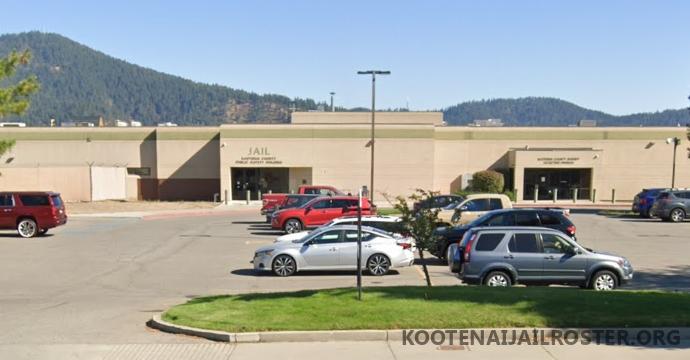
Kootenai County Jail: Inside the System Holding North Idaho's Most Vulnerable
Kootenai County Jail: Inside the System Holding North Idaho's Most Vulnerable
The Kootenai County Jail serves as the primary detention facility for north Idaho, holding pre-trial inmates and short-term sentenced individuals. It operates under the strict oversight of the Kootenai County Sheriff's Office, balancing security demands with constitutional obligations. This report examines the facility's operations, challenges, and ongoing debates over its role in the regional justice system.
The Kootenai County Jail is more than a brick-and-mortar institution; it is a complex ecosystem where public safety, legal rights, and human vulnerability intersect. Located in Coeur d'Alene, it processes hundreds of arrests annually, from low-level traffic violations to serious felony charges. Understanding its inner workings requires looking at staffing, protocols, healthcare, and the broader debate about incarceration itself.
The Architecture of Detention: Layout and Daily Operations
The jail building is divided into distinct housing pods, each designed for different security levels and inmate populations. New arrivals typically enter the intake area, where administrative staff process bookings, take fingerprints, and conduct initial health screenings. Movement throughout the facility is highly controlled, with restricted access zones separating general population from solitary confinement or medical units.
Security protocols are layered, combining physical barriers with technological surveillance. Correctional officers monitor pod activity from centralized stations, using cameras and direct observation to maintain order. Daily routines are regimented, with scheduled counts, meal times, and call-ins to ensure accountability for every detainee.
Staffing and Training in a High-Stress Environment
The jail employs a mix of sworn deputies and civilian staff, each role critical to maintaining function. Deputies working the floor undergo specialized training in crisis intervention, de-escalation, and emergency response. Civilian personnel handle medical calls, food service, and administrative tasks, all operating under strict procedural guidelines.
Training emphasizes recognizing mental health crises and substance withdrawal symptoms, given the high prevalence among detainees. Supervisors conduct regular drills to prepare for scenarios ranging from medical emergencies to potential security breaches. The environment demands constant vigilance, as staff navigate volatile situations with limited resources.
Healthcare and Mental Health: The Frontline Challenges
Healthcare delivery in the Kootenai County Jail represents one of its most scrutinized aspects. The facility contracts with external providers to offer basic medical services, but the adequacy of that care is frequently contested. Chronic conditions, dental issues, and acute illnesses must be managed within a constrained correctional setting.
Mental health support is particularly contentious. Many detainees arrive with untreated psychiatric conditions, and the jail becomes a de facto provider of last resort. Staff report frequent episodes of agitation and self-harm, which test the limits of available intervention tools.
- Limited access to specialized psychiatric care
- Over-reliance on psychotropic medications for containment
- Documented incidents of delayed medical response
- Advocacy group reports on prolonged solitary confinement for mentally ill inmates
A former correctional nurse, speaking anonymously due to policy restrictions, noted, "The system is set up to manage bodies, not to heal people. You see cases that should be in a hospital, but they end up in a cell because there's no bed available in the mental health system."
The Legal Landscape: Pretrial Detention and Reform Efforts
Pretrial detention is a core function of the Kootenai County Jail, holding individuals awaiting trial who are presumed innocent. However, practices around cash bail have drawn criticism for disproportionately affecting low-income defendants. Those unable to post bond remain incarcerated, sometimes for months, regardless of the eventual case outcome.
Local advocacy organizations have pushed for reform, citing studies showing that even short-term detention can destabilize lives and lead to job loss or housing insecurity. Judges increasingly face pressure to adopt alternative measures like electronic monitoring or supervised release programs.
Recent Changes and Community Response
In recent years, the jail has implemented new booking procedures aimed at reducing processing delays. Video conferencing for initial court appearances has become more common, reducing the need for in-person appearances. These changes emerged from a combination of policy advocacy and recognition of operational inefficiencies.
Community meetings hosted by the Sheriff's Office provide a forum for residents to voice concerns. Feedback often focuses on transparency, accountability, and the balance between punishment and rehabilitation.
Data, Transparency, and the Path Forward
Quantitative data offers a window into the jail's impact. Records show fluctuations in average daily population, with spikes during periods of heightened law enforcement activity. Inmate demographics reflect national trends, with overrepresentation of minority groups and individuals with prior incarceration histories.
Efforts to increase transparency have included publishing use-of-force reports and incident logs. However, full data access remains limited, fueling skepticism among reform advocates.
The future of the Kootenai County Jail is tied to larger questions about public safety and justice. As the county grows, the facility faces pressure to modernize while addressing its legacy of controversy. Stakeholders on all sides agree that the institution will continue to play a central role in north Idaho's justice landscape, for better or worse.
Related Post

Unlocking Justice: How to Use the Kootenai County Jail Roster to Search Inmate Records