Kpic Revolution: How Key Performance Indicators Changed Modern Decision Making
Kpic Revolution: How Key Performance Indicators Changed Modern Decision Making
Organizations across industries increasingly rely on quantifiable measures to guide strategy and daily operations. Key Performance Indicators, or KPIs, have become the common language through which leaders communicate objectives, track progress, and align resources. This article explores the origins, implementation frameworks, and impact of KPIs on modern governance and operational excellence.
The concept of measuring performance against predefined metrics dates back to early management science, but the formalization of KPIs emerged prominently in the 1990s alongside balanced scorecard methodologies. Today, KPIs permeate sectors from finance to public administration, providing a structured approach to decision-making that seeks to minimize bias and maximize accountability. According to management researcher David Parmenter, whose work in the 1990s helped popularize the term, a true KPI must directly link strategic goals with measurable outcomes, ensuring that data drives conversations rather than intuition alone.
Defining KPIs Beyond Vanity Metrics
Many organizations confuse KPIs with simple performance metrics or vanity indicators that look impressive but lack actionable insight. A genuine KPI meets specific criteria that distinguish it from generic data points.
• Direct alignment with strategic objectives: Every KPI should trace back to a high-level goal, whether increasing customer retention or optimizing supply chain efficiency.
• Measurability with reliable data sources: The organization must have consistent, accurate methods for collecting the information, whether through automated systems, surveys, or operational records.
• Timeliness and relevance: Stakeholders need current information to make decisions, so KPIs often include frequency of reporting as part of their design.
• Actionability: Leaders must be able to influence the result, otherwise the metric remains an observation rather than a management tool.
For example, a retail chain might track “average transaction value” as a metric, but it becomes a KPI when leadership connects it to a strategic objective like improving profitability per customer and establishes clear actions, such as targeted upselling training, if the trend declines.
Implementing KPIs Across Organizational Levels
Effective KPI implementation requires a structured approach that spans corporate, departmental, and individual levels. Organizations often begin by articulating a clear vision and then cascading specific indicators downward, ensuring that each layer understands its responsibilities in achieving the measures.
Corporate Level Indicators
At the highest level, KPIs focus on overall health and long-term sustainability. These might include revenue growth, net profit margin, return on investment, or market share. Because these metrics summarize complex operations into digestible numbers, they demand robust data aggregation processes and transparent methodologies to maintain credibility among stakeholders.
Departmental and Functional Indicators
Marketing departments might track lead conversion rates or campaign return on ad spend, while human resources could measure time-to-fill for open positions or employee engagement scores. The key is selecting indicators that reflect the department’s direct control and contribution to corporate objectives, avoiding the trap of overloading teams with metrics beyond their influence.
Individual Performance Indicators
When designed carefully, KPIs can clarify expectations for frontline employees and managers. A customer support representative might be evaluated on first-response time or resolution rate, provided these metrics account for case complexity and do not encourage rushed, low-quality interactions. As management consultant Peter Drucker noted, what gets measured gets done—but only if the measurements encourage the right behaviors.
Common Pitfalls and How to Avoid Them
Organizations often stumble when adopting KPIs, creating misaligned incentives or data fatigue. One frequent error is focusing too heavily on quantity over quality, leading to excessive reporting that obscures rather than clarifies performance. Another pitfall involves misalignment between departments, where local optimization of individual KPIs undermines overall organizational goals, a phenomenon known as sub-optimization.
Data Integrity and Context
Numbers without context can mislead. A sudden drop in sales might trigger alarm, but without understanding whether it resulted from seasonal fluctuations, supply disruptions, or a deliberate strategic shift, leaders might implement inappropriate corrective measures. High-quality KPI programs therefore include narrative explanations and comparative benchmarks to help interpret raw figures.
Overcoming Resistance to Measurement
Employees sometimes view KPIs as surveillance tools rather than tools for empowerment, especially if metrics are used punitively without opportunities for feedback or improvement. Transparent communication about the purpose of measurements—such as identifying resource needs or refining processes—can reduce resistance and foster a culture of continuous improvement.
The Evolving Landscape of Performance Measurement
Digital transformation and advanced analytics are reshaping how organizations define and utilize KPIs. Real-time dashboards, automated data pipelines, and predictive analytics enable faster responses to emerging trends, turning static quarterly reports into dynamic management instruments.
Integration with Broader Management Frameworks
Many organizations now blend KPIs with other methodologies like Objectives and Key Results (OKRs), agile sprints, or lean management principles. This hybrid approach allows companies to maintain strategic focus while embracing flexibility and iterative learning.
Sustainability and Social KPIs
Growing stakeholder interest in environmental, social, and governance (ESG) factors has expanded the KPI landscape to include metrics such as carbon emissions intensity, diversity in leadership, and community investment. These indicators reflect evolving expectations that organizations contribute positively to society, not just generate financial returns.
Best Practices for Developing Effective KPIs
Establishing KPIs that endure requires deliberate design, ongoing review, and willingness to adapt as strategies evolve.
1. Start with strategy: Clearly define long-term goals before selecting metrics, ensuring alignment across all levels.
2. Engage stakeholders: Involve representatives from relevant departments to gain buy-in and ensure practicality.
3. Keep it simple: Focus on a limited set of high-impact indicators to avoid overwhelming teams.
4. Review regularly: Periodically assess whether KPIs still serve their purpose and update or retire them as needed.
5. Communicate transparently: Share not only results but also the rationale behind measurements and the actions they inspire.
Conclusion: KPIs as Tools for Disciplined Management
KPIs are neither a cure-all nor a mere bureaucratic exercise; they are instruments that, when used thoughtfully, can bring clarity and coherence to complex organizational challenges. By linking everyday activities with strategic intent, they help leaders navigate uncertainty and allocate resources with greater precision. As business environments grow more volatile and data-rich, the disciplined use of KPIs will remain central to building resilient, adaptive organizations that can thrive amid constant change.
Related Post
Tickpick Reviews That Will Change Your Mind: Shocking Take 3 You Need To See (7761585)

Exclusive Look Inside KPIc Roseburg Oregon: Revolutionizing Healthcare and Education
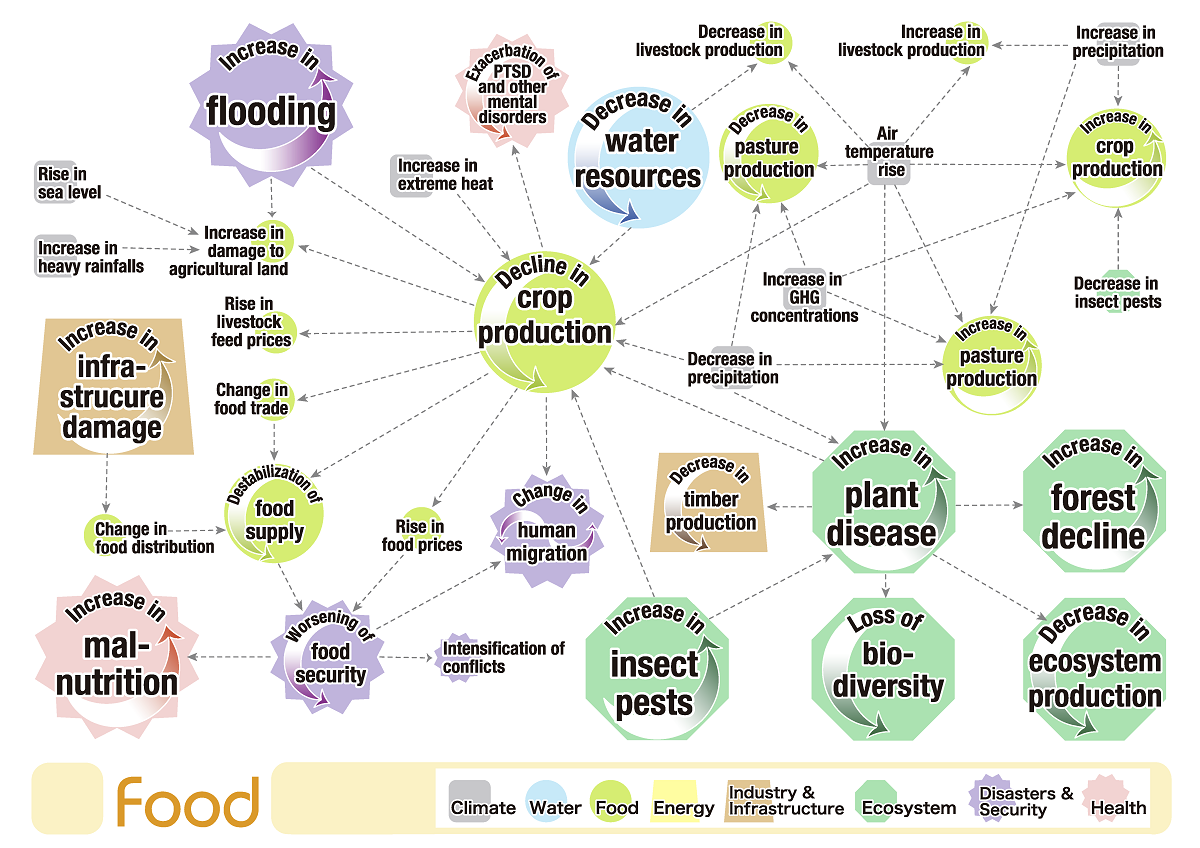
The Impact of Climate Change on Global Food Security: A Growing Threat

KPIC NEWS ROSEBURG EXCLUSIVE: The Impact of Wildfires on Local Communities