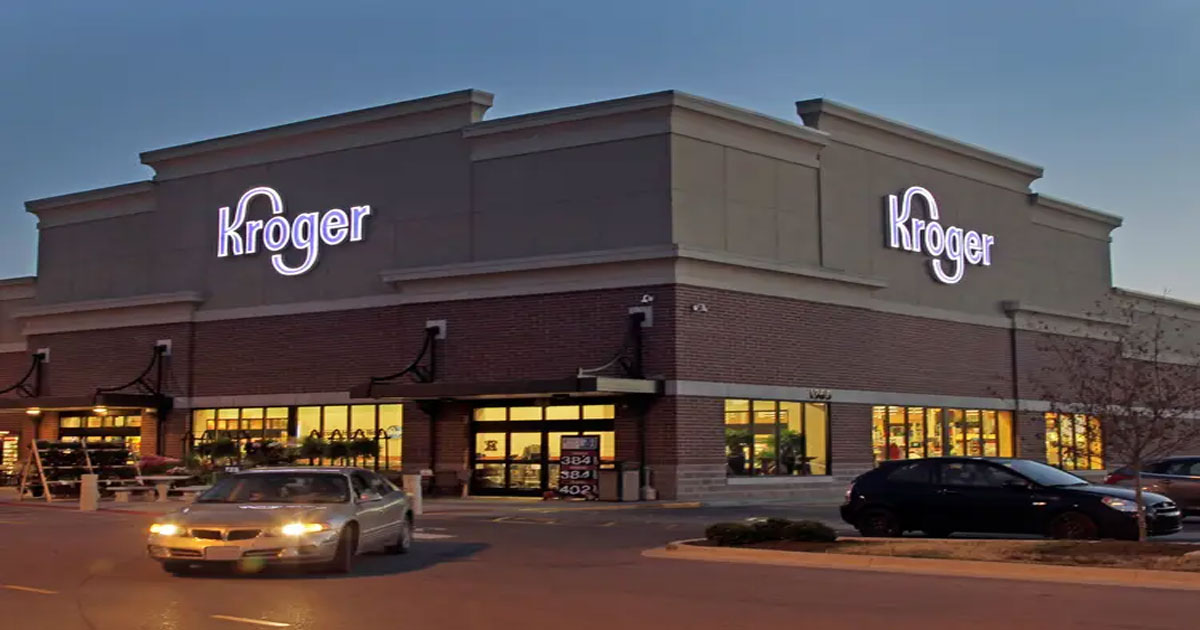
Kroger Digital Coupons: The Silent Shift Saving Shoppers Billions Annually
Kroger Digital Coupons: The Silent Shift Saving Shoppers Billions Annually
In an era where digital transformation touches every sector of the economy, the grocery industry is undergoing a quiet revolution at the hands of data-driven promotions. Kroger Digital Coupons represent a significant shift from paper circulars to targeted, real-time savings, fundamentally altering how consumers interact with brands and how retailers manage inventory and loyalty. This system, powered by advanced analytics and consumer purchase history, allows for personalized discounts that appear automatically at checkout, eliminating the need for clipping and creating a more efficient shopping experience.
For decades, the grocery loyalty program was defined by the physical act of cutting out a coupon from a weekly newspaper insert. This method, while familiar, was fraught with inefficiencies for both the consumer and the retailer. Consumers often forgot coupons at home, clipped the wrong item, or simply found the process too time-consuming. For grocers, the cost of processing paper redemptions, managing shipping logistics, and dealing with counterfeit coupons was substantial. The move to digital was not merely a trend but a necessary evolution to streamline operations and enhance customer value.
The mechanics of the Kroger Digital Coupons system are designed for seamless integration into the modern shopping routine. Instead of navigating websites or downloading separate apps, the technology works directly within the existing ecosystem of the Kroger family of stores, which includes Ralphs, Fred Meyer, and King Soopers. Here is how the process typically unfolds for the shopper.
First, a shopper must link their loyalty card to their digital account. This can be done via the Kroger app or the store’s website. Once linked, the account becomes a centralized hub for managing offers.
* **Browse Offers:** Shoppers can browse a dynamic list of available digital coupons. These are categorized by product type, making it easy to find deals on staples like dairy, meat, or household goods.
* **Clip with a Click:** Unlike paper coupons, there is no physical clipping. The user simply clicks "Clip" or "Add" next to the desired offer. The system notes the user’s intent without any physical action.
* **Automatic Application:** This is the core of the digital convenience. When the shopper scans their loyalty card at the self-checkout or has it scanned at a cashier lane, the discounts are applied automatically to the transaction. There is no need to present a physical barcode or printout.
The backend system is where the true power of Kroger Digital Coupons is realized. The platform analyzes historical purchase data to determine which products a specific household buys regularly. This allows for hyper-personalization that was impossible with mass-market newspaper inserts.
"Consumers are increasingly expecting relevance," explains a former retail data strategist who wished to remain anonymous due to corporate policy. "They don't want to see diaper coupons if they are empty nesters. They want to see offers on the products they already use or are actively researching. Digital coupon platforms are the only way retailers can economically deliver that level of individualized value at scale."
This personalization benefits both the store and the shopper. For Kroger, the system helps clear perishable inventory, promotes specific brands during promotional periods, and provides valuable data on consumer buying habits. For the consumer, it translates to savings on items they were already planning to purchase, effectively turning routine shopping trips into passive income opportunities. A user of the Kroger app might find a digital coupon for a brand of pasta they bought last month, incentivizing brand loyalty before the customer even considers a competitor's product.
The adoption of digital coupons has also created a more sustainable model for grocery marketing. The environmental impact of producing, shipping, and processing billions of paper coupons is significant. Eliminating the physical component reduces waste and the carbon footprint associated with the coupon lifecycle. Furthermore, digital coupons are less susceptible to loss or damage, ensuring that the promotional value is preserved until it is actually used.
However, the system is not without its challenges. The primary barrier to entry for some demographics is the requirement for a smartphone or a computer and an internet connection. While smartphone penetration is high, it is not universal, particularly among older generations who may be the most frequent users of traditional couponing methods. Kroger has attempted to bridge this gap by allowing users to clip digital coupons on regular computers and use the linked card in-store, but the reliance on technology can still exclude some consumers.
Another challenge lies in the "black box" nature of the algorithm. Shoppers often have no visibility into why they are seeing a specific offer or why a particular item is excluded from digital deals. This lack of transparency can lead to frustration if a customer feels they are missing out on a deal they believe they should qualify for. The logic behind the coupon targeting is proprietary to Kroger and its data partners, making it difficult for external analysis.
Despite these hurdles, the trajectory of digital coupons in the grocery sector is undeniable. Industry reports indicate that the redemption rate for digital coupons often exceeds that of paper coupons, proving that convenience drives engagement. The Kroger Digital Coupons platform is a prime example of legacy retail adapting to the digital age. It represents a win-win scenario: consumers save money without the hassle of cutting and pasting, and retailers gain operational efficiency and deeper insights into their customer base. As the technology continues to evolve, we can expect these digital offers to become even more sophisticated, potentially integrating with other financial tools like digital wallets or loyalty points to create an all-encompassing savings ecosystem for the modern consumer.
Related Post
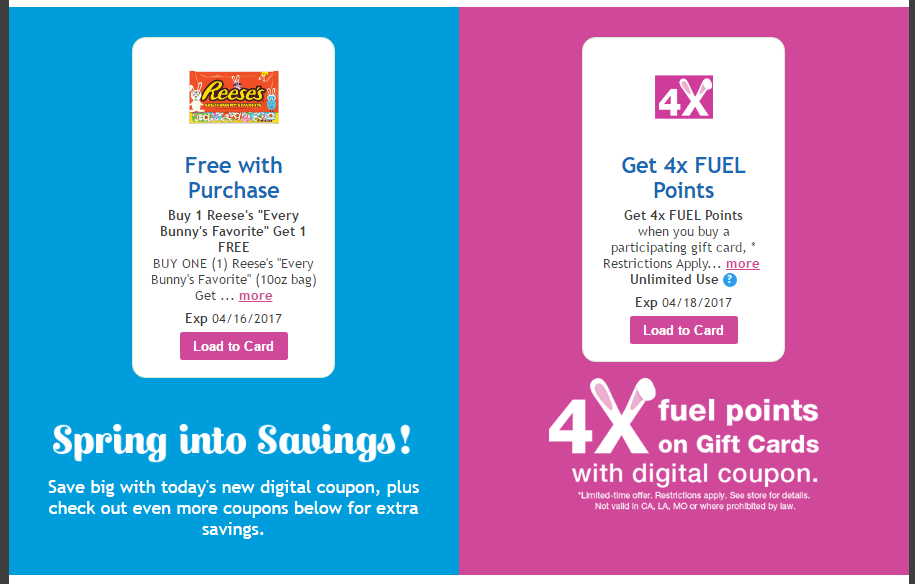
Kroger Digital Coupons Your Easy Savings Guide To Smarter Grocery Shopping
Kroger Digital Coupons
Kroger Digital Coupons: The Easy Signup Guide for Savvy Shoppers