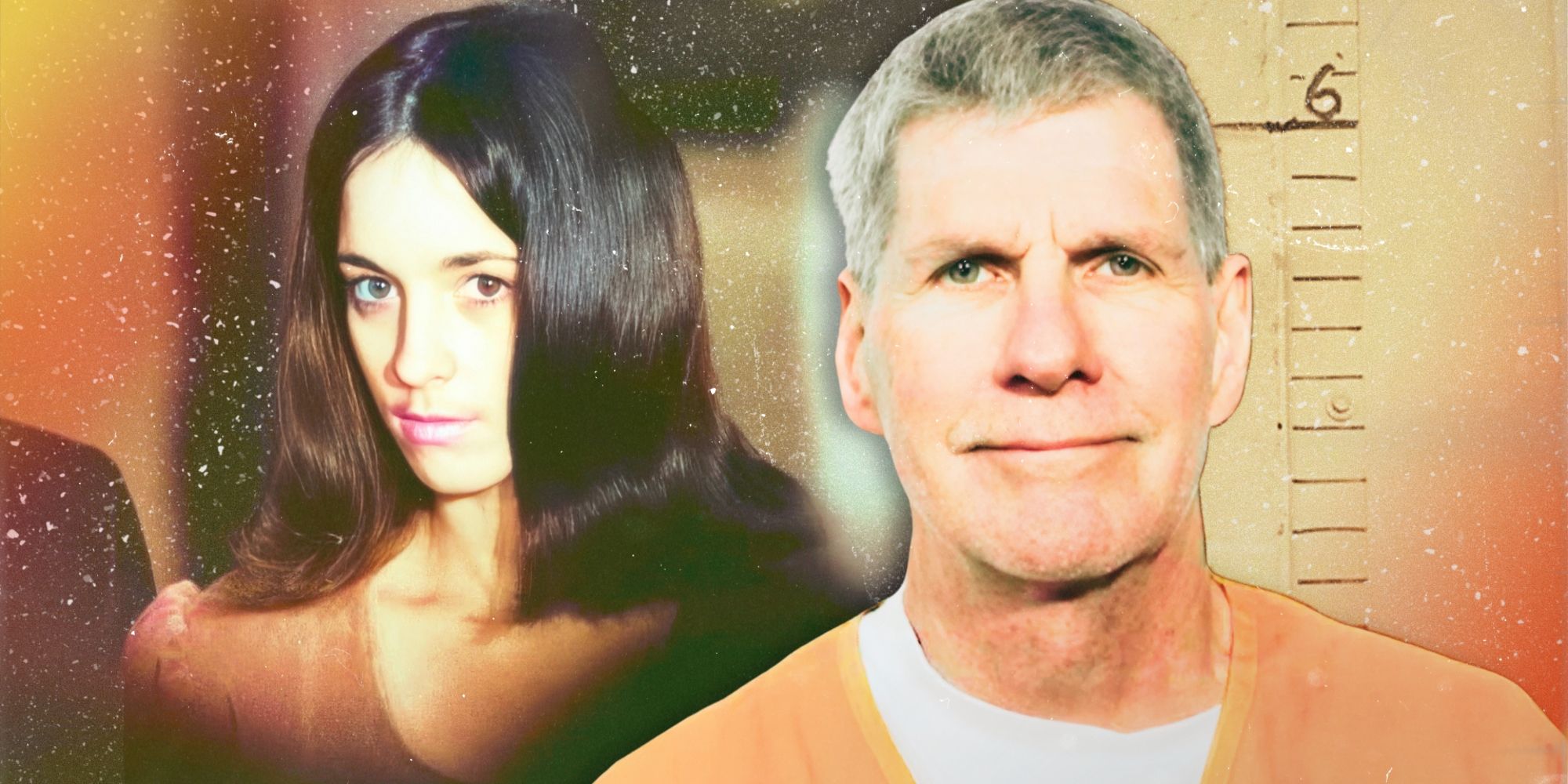
Linda Kasabian: The Key Witness Who Unraveled Manson’s Myth and Paid a Lifetime Price
Linda Kasabian: The Key Witness Who Unraveled Manson’s Myth and Paid a Lifetime Price
Linda Kasabian stood at the center of the most notorious murder trial in Los Angeles history, her testimony stitching together the Manson Family’s ideology and its violence. Once a devoted follower of Charles Manson, she became the prosecution’s linchpin in convicting the killers of Sharon Tate and four others. Her life since the trial has been defined by witness protection, public scrutiny, and reflection on the mechanics of manipulation.
As a young, pregnant woman with a history of instability, Kasabian was uniquely positioned within the Manson circle. Her decisions—whether to follow orders or break away—determined whether the Family’s most damning secrets remained buried. Here is a detailed look at her role in the crimes, her testimony, and the enduring consequences of choosing survival over silence.
The path that led Linda Kasabian to the Spahn Ranch began with a search for belonging. Born in 1949 in New Hampshire, she drifted through a series of marriages and unstable relationships, carrying with her the emotional weight of an interrupted childhood. By the late 1960s, she was in California, vulnerable and searching for meaning.
Charles Manson presented himself as a charismatic guide who could offer structure and purpose. Kasabian was drawn in, as were many young people disillusioned by the social upheavals of the era. According to court transcripts and later interviews, Manson framed his violent philosophy as a form of enlightened rebellion against a corrupt society. For Kasabian, the promise of a new family gradually gave way to a climate of fear, control, and escalating demands for loyalty.
On the night of August 8, 1969, Kasabian accompanied Manson and several followers to the home of actress Sharon Tate. Prosecutors argued that Manson had directed the group there, believing the occupants represented the establishment he despised. Kasabian later testified that she was ordered to stand guard outside while the murders unfolded inside. Her account detailed how she heard the violence, understood what was happening, and still remained with the group rather than flee. The trial revealed that she stayed because Manson had conditioned her to obey and because leaving would have meant confronting a terrifying unknown alone.
During the trial, Deputy District Attorney Vincent Bugliosi used Kasabian’s testimony as the bridge between Manson’s rhetoric and the physical evidence of the murders. In a pivotal moment, he asked her to recount the night of August 8 in detail. Court transcripts capture her steady, often emotionless delivery as she described the layout of the Tate residence, the sequence of orders given by Manson, and her awareness of what was happening inside. Her testimony humanized the victims, provided a timeline that connected Manson to the crime scenes, and undercut the defense’s attempts to portray the murders as isolated, drug-fueled outbursts.
Kasabian’s decision to cooperate came at immense personal cost. She entered a federal witness protection program, receiving a new identity and round-the-clock security. Her cooperation ensured that Manson and several of his most loyal followers were convicted of first-degree murder, but it also branded her as a traitor in the eyes of the Family’s supporters. Over the years, she has spoken selectively in interviews, often framing her account as a warning about how ordinary people can be drawn into extraordinary acts of violence through manipulation and fear. In rare public statements, she has expressed regret not over her involvement in the crimes themselves—which she could not undo—but over the lost years and the constant looking over her shoulder that followed.
Psychologists who have studied high-control groups like the Manson Family note that loyalty is cultivated through a mix of emotional support, ideological reinforcement, and threats of ostracism or harm. Kasabian’s experience illustrates how deeply these mechanisms can take root, especially in individuals already struggling with instability or trauma. In interviews, she has described a gradual blurring of right and wrong, where the Family’s rules superseded her own moral compass. Breaking free required not just a moment of courage, but the accumulation of small doubts that eventually outweighed the fear of defying Manson.
The cultural legacy of the Manson murders has persisted for decades, often eclipsing the nuanced role played by witnesses like Kasabian. True crime documentaries and books have revisited the case many times, focusing largely on the charismatic villainy of Manson and the horror of the crimes. Kasabian’s story adds a critical dimension, showing how perpetrators rely on foot soldiers who carry out their orders. Her testimony helped establish that Manson, despite never physically committing the murders, was legally and morally responsible for them—a precedent that shaped how conspiracy and command responsibility are understood in criminal law.
Reflecting on the trial years later, Kasabian has described a complex mix of relief, guilt, and exhaustion. She completed a plea deal that spared her from a murder conviction, but the trauma of the events and the subsequent years in hiding left deep imprints. In carefully chosen words, she has acknowledged the lives lost and the families shattered, while also emphasizing that her survival came with its own burdens. Her experience serves as a case study in the psychology of coercion and the difficult choices faced by those caught between self-preservation and loyalty.
In the decades since the trial, Kasabian has largely avoided the spotlight, living under an assumed name with minimal public contact. This deliberate withdrawal underscores the lasting impact of her role in the case. Her story remains relevant as a reminder of the human dimensions behind high-profile crimes and the long-term consequences for those who choose to speak out. The legacy of the Manson murders continues to evolve, and within that evolution, Linda Kasabian’s testimony stands as a pivotal link between ideology, action, and the possibility of redemption through truth.
Related Post