Lobster Roll Boston: The Ultimate Guide to Finding the Perfect Coastal Classic
Lobster Roll Boston: The Ultimate Guide to Finding the Perfect Coastal Classic
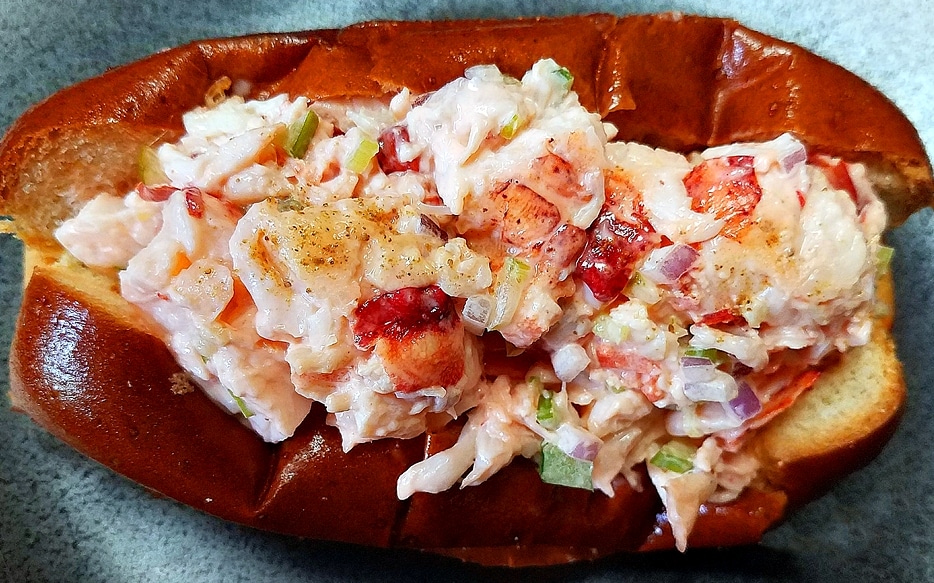
Boston’s lobster roll is more than a sandwich; it is a culinary emblem tied to the city’s maritime identity. This buttery, chilled masterpiece, featuring tender chunks of Maine lobster nestled in a split-top bun, represents the pinnacle of New England seafood. This article provides a comprehensive, objective look at the history, variations, and current landscape of the iconic Boston lobster roll.
The origins of the lobster roll are debated, but the consensus points to the early 20th century in the coastal towns of Connecticut and Maine. The fundamental concept—a straightforward preparation of fresh lobster meat dressed simply and served in a toasted bun—resonated with locals and visitors alike. In Boston, a city built on shipping and fishing, the dish found a natural home. It evolved from a humble port-side meal to a menu staple in restaurants ranging from historic seafood shacks to upscale dining rooms. The appeal lies in its purity; the quality of the lobster is paramount, as the dressing is meant to complement, not mask, the sweet, delicate flavor of the crustacean.
The defining characteristic of a true New England-style lobster roll, the variant most commonly associated with Boston, is its cold preparation. This contrasts sharply with the warm, mayo-based version often found elsewhere. The ingredients are sparse, allowing the star ingredient to shine.
* **The Lobster:** Fresh, high-quality lobster meat is non-negotiable. Pre-cooked lobster is typically used, picked by hand to yield generous chunks of tail and claw meat.
* **The Dressing:** A mixture of mayonnaise, either lemon juice or lemon zest, a touch of Dijon mustard, salt, and freshly ground black pepper. Some variations include a dash of celery salt or a teaspoon of chopped fresh chives for subtle depth.
* **The Bun:** A top-loading New England hot dog bun, specifically chosen for its sturdy construction and soft, slightly sweet interior. The bun is almost always toasted in butter until golden brown.
* **The Assembly:** The chilled lobster meat is gently folded with the creamy dressing. This mixture is then piled high into the toasted bun, ensuring every bite is a balance of rich lobster and crisp bun.
While the New England style reigns supreme in Boston, it is important to distinguish it from its cousin, the Connecticut-style lobster roll.
1. **The Lobster Roll in New England Style:** This is the cold version. The lobster is bound with a cool mixture of mayonnaise and herbs, resulting in a refreshing, elegant texture. The focus is entirely on the clean taste of the lobster.
2. **The Lobster Roll in Connecticut Style:** This version is served warm. The lobster meat is tossed in a warm mayonnaise-based sauce, often enriched with butter, and served in a buttered, toasted bun. It is a richer, more decadent experience.
When in Boston, the quest for the perfect lobster roll reveals a diverse ecosystem of establishments, each with its own interpretation of the classic. From century-old institutions to modern beachside shacks, the options are plentiful.
* **Neptune Oyster:** Located in the North End, this tiny counter-service spot is frequently cited as a top destination. Their lobster roll is a masterclass in balance, using a high-quality cold preparation with a hint of lemon that cuts through the richness of the buttered bun.
* **James Hook & Co.**: A true Boston institution, this seafood wholesale company turned lunch spot has been serving workers and visitors since 1795. Their no-frills, dockside atmosphere and straightforward, delicious roll embody the city’s working-class seafood heritage.
* **The Barking Crab:** Situated on the waterfront, this restaurant offers a more robust, "touristy" experience. Their lobster roll is reliably excellent, large, and served with a view of the Boston Harbor, making it a popular choice for visitors seeking quintessential New England ambiance.
* **Legal Sea Foods:** As a larger, more widespread chain, Legal provides a consistent and high-quality version of the roll. It is a dependable option for those who want a guaranteed, excellent New England-style lobster roll without the hunt for a hidden gem.
The quality of a lobster roll is intrinsically linked to the sourcing and handling of its primary ingredient. The lobster industry faces significant challenges, including fluctuating supply, rising costs, and sustainability concerns. For the discerning Bostonian or tourist, understanding these factors adds another layer to the dining experience.
* **Sustainability:** Look for restaurants that source from certified sustainable fisheries. Organizations like the Marine Stewardship Council (MSC) provide certifications that help ensure lobster populations are managed responsibly.
* **Cost:** The price of a lobster roll is a direct reflection of the market price of lobster, which can vary significantly based on season, catch yields, and fuel costs. A premium price is often indicative of fresher, higher-quality ingredients.
* **Sourcing:** Some of the most revered rolls are made with lobster sourced directly from local fishmongers, ensuring peak freshness. Ask your server about the origin of the lobster; a knowledgeable staff is a good sign.
The lobster roll has transcended its origins to become a cultural icon. It is a symbol of New England’s culinary identity, a dish that is both timeless and deeply rooted in its locale. It is the taste of a summer afternoon by the ocean, a quick and satisfying lunch for a harbor-side worker, and a must-try experience for any visitor to the region. Its enduring popularity is a testament to the simple truth that the best recipes are often the most straightforward. When executed with care and respect for the ingredient, the lobster roll remains one of America’s most perfect dishes, a delicious and buttery testament to the sea.
Related Post
The Best Lobster Roll in Boston: A Definitive Guide to Catching the Perfect Bite