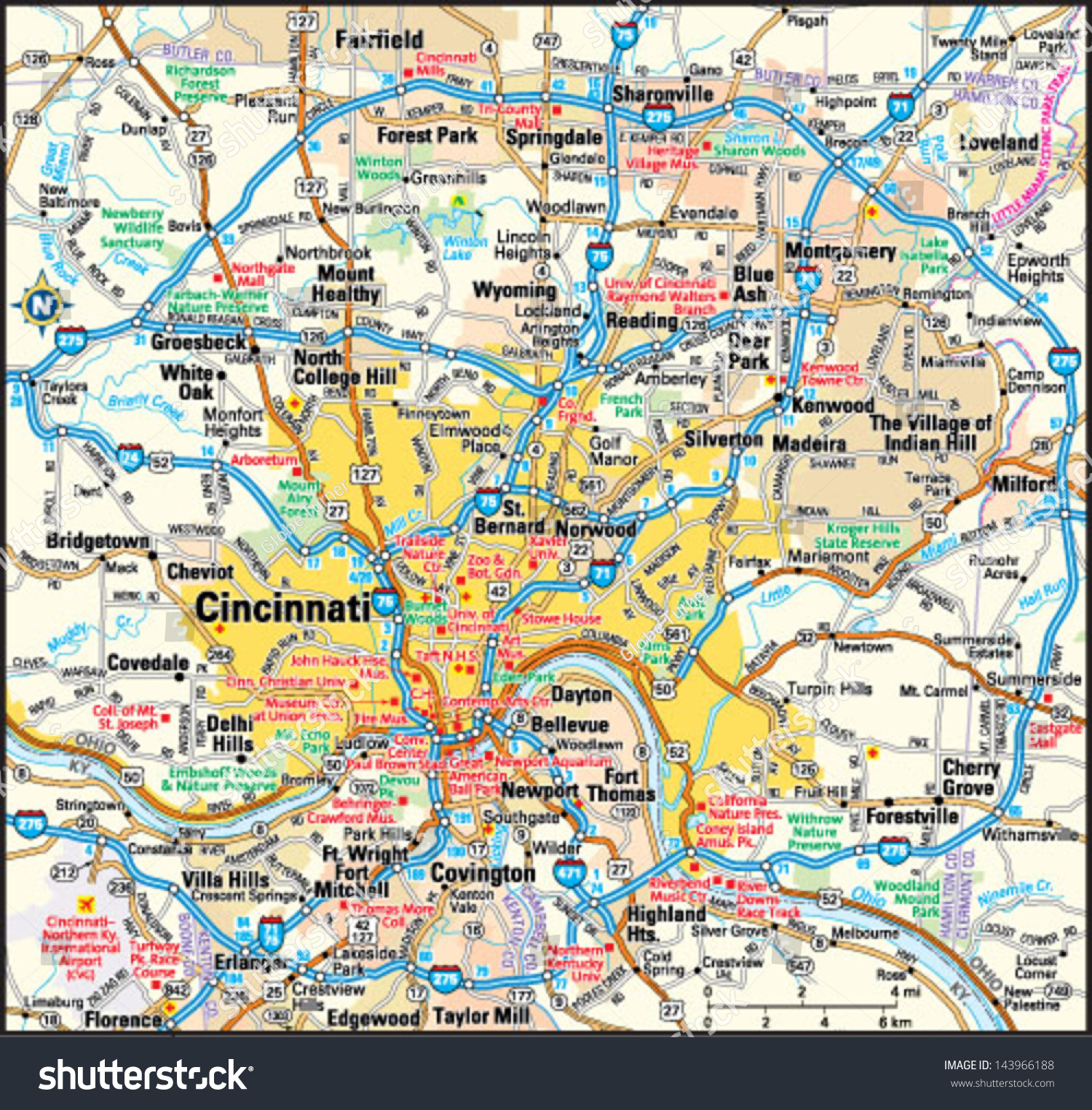
Mapquest Revolution: How the Digital Atlas Reshaped Global Navigation and Human Geography
Mapquest Revolution: How the Digital Atlas Reshaped Global Navigation and Human Geography
The launch of Mapquest in the late 1990s marked a seismic shift in how humans interact with physical space, transforming paper maps into dynamic, digital guides. This platform pioneered the mainstream adoption of online routing, offering turn-by-turn directions that rendered folded maps obsolete for an entire generation. More than a utility, Mapquest became a cultural touchstone that redefined concepts of distance, arrival, and the very process of wayfinding. This analysis examines the technological underpinnings, societal impacts, and enduring legacy of a service that navigated the transition from paper to pixels.
The origins of Mapquest are deeply entwined with the digital mapping boom of the 1990s, a period when the internet began to weave itself into the fabric of daily life. Developed by Screen Software Inc. and launched in 1996, the service was among the first to offer comprehensive digital mapping and routing to the general public. It capitalized on the growing availability of personal computers and the nascent World Wide Web, providing a solution to a common and frustrating problem: getting lost in an increasingly mobile world. The technology aggregated geographical data from commercial providers and translated it into a user-friendly interface that calculated optimal routes between any two points in its database.
Mapquest functioned as a sophisticated interpreter of geographical data. At its core, the service relied on complex algorithms to parse a user’s request for directions. The process involved several key computational steps.
First, the system required precise geocoding, converting street addresses and place names into geographic coordinates that a computer could understand. Second, it utilized graph theory, representing roads as interconnected lines with attributes like speed limits and one-way status. Finally, it applied routing algorithms, such as Dijkstra's algorithm, to calculate the fastest or shortest path through this network. The elegance of the system lay in its simplicity; it distilled the chaos of the physical world into a manageable matrix of nodes and edges.
The user experience was designed to be intuitive and, for the time, revolutionary. Upon visiting the Mapquest website, a user would input a starting point and a destination. The platform would then generate a static map image and a textual list of directions. This list was the heart of the service, breaking down the journey into a series of actionable steps.
The directions followed a specific logic aimed at reducing cognitive load while driving.
- **Turn-by-Turn Guidance**: Each step clearly indicated the action required, such as "Head north on Main St" or "Turn left onto Oak Avenue."
- **Distance and Time Estimates**: Every instruction was accompanied by a distance in miles or kilometers, allowing users to anticipate the next turn.
- **Street-Level Visualization**: The accompanying map provided a visual context, showing the user’s general location and the road network ahead.
- **Junction Descriptions**: Complex intersections were described in detail, highlighting key landmarks or road features to look for.
The cultural impact of Mapquest extended far beyond utility; it altered the language and rituals of travel. The phrase "take the next right" became a shared cultural memory, evoking a time when a passenger might lean forward to read cryptic instructions from the back seat. The service fostered a new sense of autonomy, empowering individuals to explore unfamiliar territories without reliance on paper maps or asking for help. It turned navigation into a solitary, screen-mediated activity, changing the dynamics of road trips and commutes alike.
Mapquest also played a subtle role in reshaping the urban landscape. Businesses quickly realized the power of digital directories, leading to a surge in listings on mapping platforms. Being included on Mapquest became a sign of legitimacy for local businesses, ensuring they appeared on the digital radar of potential customers. This shift marked the beginning of the "Google Economy," where digital visibility directly correlates with physical foot traffic and commercial success. The platform effectively created a new layer of information infrastructure over the physical world.
While Mapquest’s market dominance was eventually challenged by competitors like Google Maps and Apple Maps, its influence persists in the foundational logic of modern navigation. The core principles it established—real-time traffic data, satellite imagery, and user-generated reviews—define the digital maps of today. Mapquest proved that consumers craved dynamic, data-driven navigation tools. As one industry analyst noted, the service "didn't just give people directions; it gave them a new vocabulary for understanding their relationship to a city."
The legacy of Mapquest is also visible in the expectations it set for digital mapping. Modern users demand interactivity, satellite views, and live traffic updates, standards that were nascent during Mapquest's heyday. The transition from static, pre-rendered maps to fluid, real-time data streams can be traced back to the limitations users encountered with early platforms. Mapquest was the bridge between analog cartography and the hyper-connected digital maps of the 21st century. It taught an entire generation that the world could be queried, parsed, and navigated with a few keystrokes.
In examining the professional context of navigation technology, Mapquest represents a critical case study in digital transformation. It demonstrated that data, when packaged accessibly, could empower individuals and disrupt established industries. The service’s methodology—geocoding data, applying algorithms, and presenting results visually—became the blueprint for the entire sector. Although the brand is no longer the market leader, the algorithmic skeleton of Mapquest lives on in the codebase of its successors, ensuring its continued influence on how we move through the world.
Related Post
Mapquest Driving: How a 1990s Innovation Still Shapes How We Navigate Today
Mapquest Need Directions: How the Iconic Navigation App Still Shapes the Way We Move
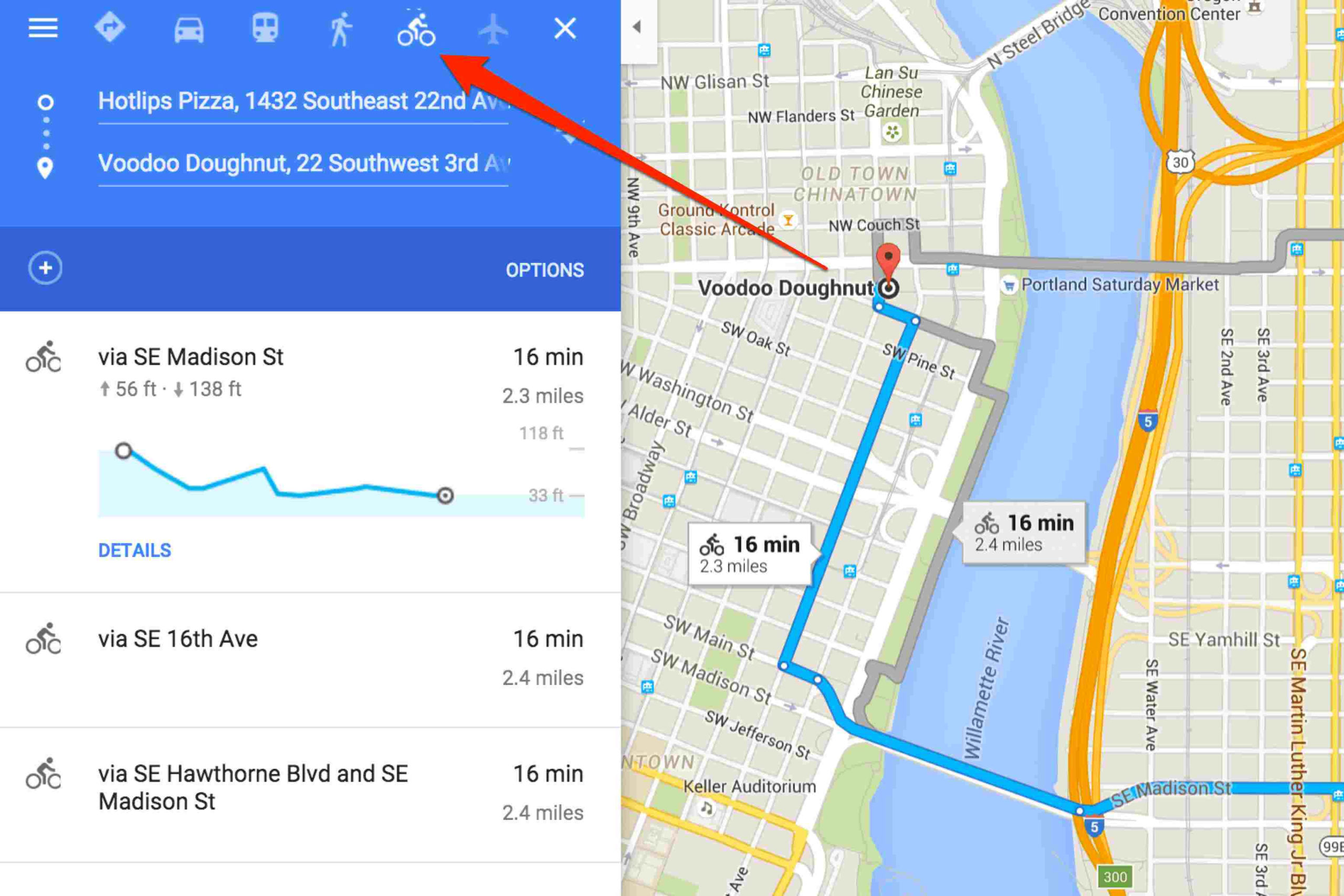
Unlock the Secrets of Memphis with MapQuest Driving Directions: Your Ultimate Guide to Navigation

Navigating San Diego's Streets with MapQuest: A Comprehensive Guide to Stress-Free Driving