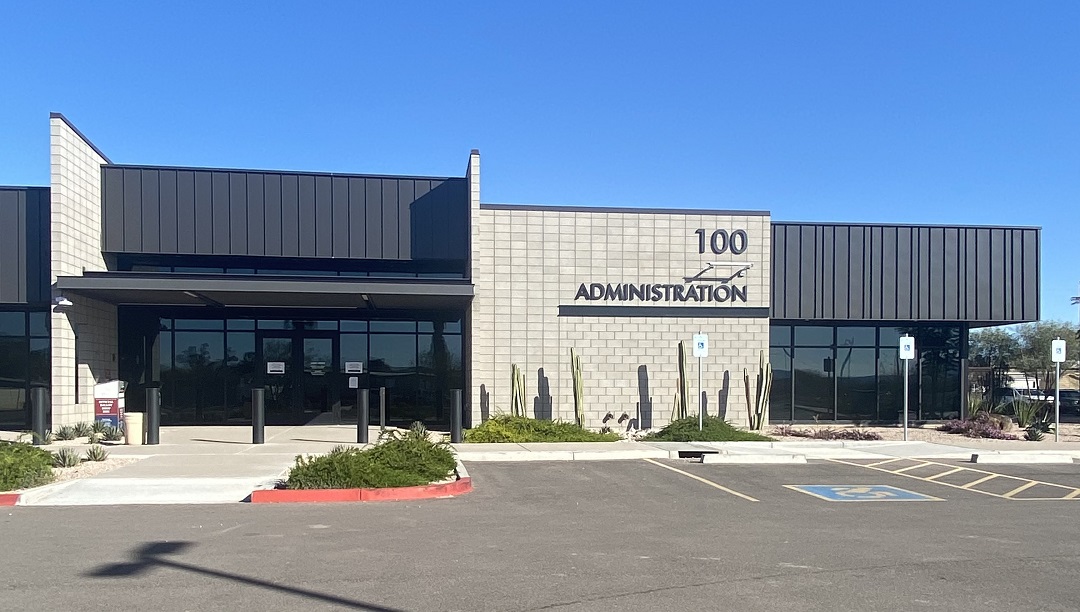
Maricopa County Treasurer: The Unseen Architect of County Financial Stability and Economic Strategy
Maricopa County Treasurer: The Unseen Architect of County Financial Stability and Economic Strategy
The Maricopa County Treasurer operates as the chief financial officer for one of the nation’s fastest-growing counties, managing billions in assets and revenues. This elected official is responsible for investing public funds, collecting taxes and fees, and ensuring the fiscal integrity of over 400 local governments. Through transparent reporting and strategic financial oversight, the Treasurer’s office directly impacts the delivery of public services, from infrastructure to public safety, across the region.
The office of the Maricopa County Treasurer is far more than a simple vault for public money. It is a complex financial engine that drives the county’s ability to fund essential services, support economic development, and maintain the trust of taxpayers. Holding the title of Treasurer is a role that blends rigorous financial management with deep community accountability, as the official safeguards public resources while enabling growth.
For residents and businesses, the Treasurer’s work translates into functioning roads, well-maintained parks, funded public safety departments, and the confidence that their tax dollars are managed responsibly. In a county as vast and dynamic as Maricopa, encompassing major cities like Phoenix, Scottsdale, and Mesa, the centralization and professionalism of financial operations are not conveniences—they are necessities.
**The Core Mandate: More Than Just Collecting Checks**
The primary constitutional duty of the Maricopa County Treasurer is to serve as the official custodian of all county funds. This involves receiving, safeguarding, and disbursing money related to county operations, as well as funds held on behalf of municipalities, school districts, and other special districts. The office acts as a bank for the local government sector, ensuring that funds are available when needed and that all transactions are meticulously recorded.
A critical function is the collection of property taxes and other county revenues. The Treasurer’s office processes millions of tax payments annually, ensuring that the primary source of operating revenue for the county is collected efficiently and equitably. This includes not only residential and commercial property taxes but also a variety of fees and special assessments that fund specific services and infrastructure projects.
Equally important is the responsibility for investing surplus funds. County governments operate on tight margins, and idle cash represents a loss of potential resources for the community. The Treasurer develops investment policies in conjunction with the Board of Supervisors to deploy these short-term funds into secure, liquid instruments, earning interest that bolsters the county’s financial reserves without taking on undue risk.
**Strategic Investment and Risk Management**
Investment strategy is a cornerstone of the Treasurer’s role, balancing the need for safety, liquidity, and a modest return. The office manages a diverse portfolio of investments, primarily consisting of high-quality, short-term securities such as certificates of deposit (CDs), Treasury bills, and municipal notes. The goal is not to generate high returns but to preserve capital and ensure funds are available for immediate needs while earning a predictable yield.
To provide transparency and structure, the Treasurer’s office adheres to a formal written Investment Policy Statement (IPS). This document outlines the investment objectives, risk tolerance, and guidelines for authorized investments. It is a public record that demonstrates the office’s commitment to fiduciary prudence and allows for external audit and review.
* **Safety of Principal:** The preservation of the county's funds is the paramount consideration. Investments are selected for their high credit quality and low volatility.
* **Liquidity:** Funds must be readily accessible to meet the county's daily obligations, such as payroll, vendor payments, and debt service.
* **Regulatory Compliance:** All investment activities are governed by state statutes and county policies, ensuring adherence to legal and ethical standards.
* **Competitive Returns:** While not the primary goal, the office seeks to earn a return that matches or slightly exceeds inflation, ensuring the county’s purchasing power is maintained.
**Technology and Transparency: Modernizing Public Finance**
In the 21st century, the expectations for government financial management have evolved significantly. The public demands greater transparency, easier access to information, and more efficient service. The Maricopa County Treasurer’s office has responded by investing in technology to modernize its operations and improve the citizen experience.
One major initiative has been the enhancement of online portals for taxpayers and businesses. Property taxpayers can now view their bills, make payments, and set up alerts online, reducing the need for in-person visits and phone calls. Similarly, businesses and other government entities can utilize electronic systems for tax remittance and fund transfers, streamlining processes and reducing administrative burdens.
This push for transparency extends to public reporting. The Treasurer’s office provides regular financial reports that detail collections, disbursements, and investment activity. These reports are often available on the county’s official website, allowing residents to see in real-time how the county’s money is being managed. Such openness is vital for maintaining public trust, especially in a large and influential county like Maricopa.
**Economic Development and Community Impact**
Beyond the core functions of billing and investing, the Maricopa County Treasurer’s office plays a direct role in fostering economic health. By ensuring the county and its constituent municipalities have reliable access to capital, the Treasurer supports infrastructure projects and economic development initiatives. The efficient collection and management of taxes mean that funds are readily available for road construction, public transportation, parks, and other community assets.
The office also serves as a financial resource for other governments. Many cities, towns, and special districts within Maricopa County choose to participate in the Treasurer’s investment pool, known as the Local Investment Fund. This allows smaller municipalities to earn a better return on their idle funds than they could individually, providing them with more resources for local services.
"The Maricopa County Treasurer’s office provides a critical financial backbone for our entire region," a county finance director might explain on the condition of anonymity to discuss operational details. "Their investment policies give us confidence that our short-term funds are safe and earning a fair return, while their collection systems allow us to focus on delivering services to our residents."
**Challenges and the Future Outlook**
The office faces a unique set of challenges. Maricopa County is one of the fastest-growing counties in the United States, which brings both opportunity and complexity. A rising population means increasing service demands, but it also expands the tax base. The Treasurer must manage this growth, ensuring that financial systems can scale and that infrastructure keeps pace with development.
Furthermore, the economic landscape is constantly shifting. Interest rate environments fluctuate, impacting investment returns. The office must remain vigilant and adaptable, adjusting investment strategies to navigate changing market conditions while staying true to the core principles of safety and liquidity.
Looking ahead, the role of the Maricopa County Treasurer will likely continue to evolve. There will be a continued focus on digital transformation, making financial services more accessible and user-friendly. The office will also need to grapple with long-term financial planning, ensuring the county is prepared for future economic cycles and the capital needs of a growing population.
Ultimately, the Maricopa County Treasurer is a guardian of public trust. Through disciplined financial management, strategic investing, and a commitment to transparency, the office ensures that the county remains financially solvent and capable of investing in its future. In a region defined by its growth, the steady hand of the Treasurer is indispensable.
Related Post
Maricopa County Treasurer: Unveiling the Unsung Heroes of Public Finance
Uncovering the Secrets of Maricopa County Treasurer's Office: What You Need to Know

The Unsung Heroes of Finances: A Deep Dive into Maricopa County Treasurer's Office, AZ