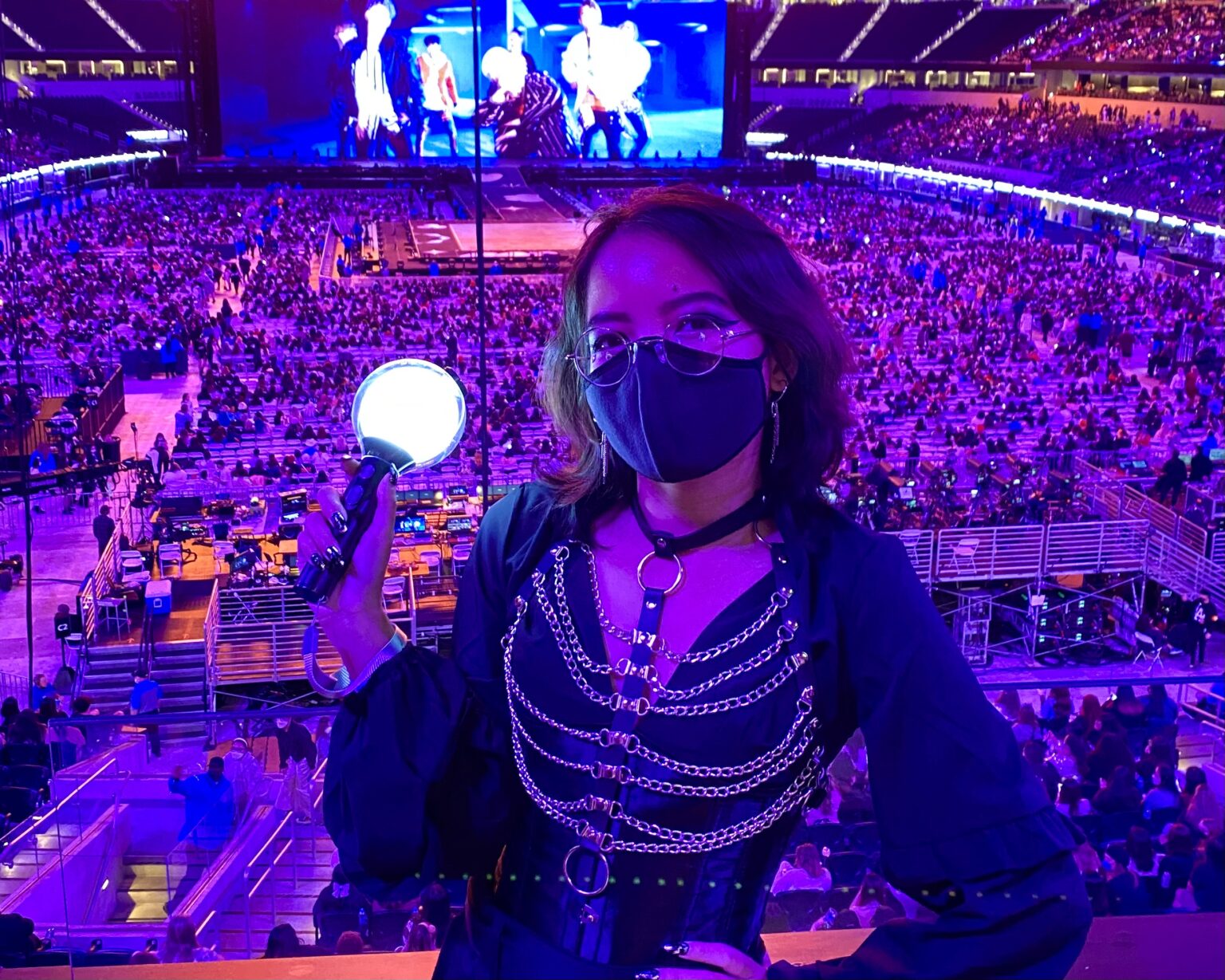
Marina Porter: How a Digital Nomad Architect is Redefining Remote Work and Sustainable Design
Marina Porter: How a Digital Nomad Architect is Redefining Remote Work and Sustainable Design
Marina Porter is rapidly becoming a symbol of the modern professional who refuses to choose between career ambition and a life of purpose. A digital nomad architect and sustainability advocate, she has built a career that merges cutting-edge design with a peripatetic lifestyle, challenging traditional notions of where and how work is done. Through her online platform and built projects, Porter is demonstrating that it is possible to achieve professional excellence while actively reducing one’s carbon footprint and embracing a global perspective. Her journey offers a blueprint for the future of work, one that prioritizes flexibility, environmental consciousness, and personal fulfillment.
For years, the architecture profession was almost synonymous with a stationary life, tethered to a firm in a major city and long hours at a drafting table or on construction sites. Marina Porter was on a path to follow that model, having earned her degree from a prestigious university and secured a position at a well-regarded firm in London. However, the rigid structure and the high cost of living began to clash with her growing desire for exploration and a more integrated sense of purpose. The catalyst was a six-month volunteer stint designing community centers in Southeast Asia, an experience that fundamentally altered her professional aspirations.
The turning point came when Porter realized that her skill set could be liberated from the constraints of a single office. The rise of high-speed internet, collaborative software, and a growing acceptance of remote work created the perfect conditions for a new kind of career. She began by taking on freelance projects from her laptop, first from neighboring countries and eventually from across the globe. What started as an escape from the traditional corporate ladder has evolved into a deliberate philosophy, one she now calls "Sustainable Nomadism." This framework is not about escaping responsibility, but about redefining it.
At its core, Sustainable Nomadism, as defined by Porter, is the practice of conducting professional work from diverse locations while minimizing one’s environmental impact and maximizing cultural engagement. It is a response to the double-edged sword of globalization, where digital connectivity has enabled a mobile workforce but also contributed to increased carbon emissions from constant travel. Porter argues that the architecture profession, given its significant role in resource consumption, has a particular obligation to lead in finding solutions. Her approach is built on three main pillars: location independence, ecological responsibility, and cultural exchange.
The first pillar, location independence, is what most people associate with the digital nomad lifestyle. Porter’s workday is a study in flexibility. She might be drafting plans for a boutique hotel in Portugal from a sun-drenched café in Lisbon, then joining a virtual design review for a project in California during the early morning hours. Later, she could be collaborating with a local artisan in Morocco on a vernacular housing project. This freedom is not without its challenges, however. It requires a high degree of self-discipline, robust time management skills, and the ability to maintain professional relationships across different time zones. Porter has had to develop a rigorous routine to stay productive.
Porter’s second pillar, ecological responsibility, is arguably the most critical and the most complex. She understands that her very nomadic lifestyle, reliant on frequent flights and stays in Airbnbs, carries a heavy carbon cost. To counter this, she has adopted a strict set of guidelines she calls the "Travel Triad." First, she prioritizes slow travel, spending a minimum of three months in one location to minimize the frequency of long-haul flights. Second, she exclusively uses public transportation, bikes, or her own two feet to get around her immediate locale. Third, she offsets her unavoidable emissions by investing in verified reforestation and renewable energy projects. She is also a staunch advocate for sustainable design principles, insisting that every project she touches, whether a temporary pavilion or a private residence, incorporates passive cooling, locally sourced materials, and minimal waste.
Her third pillar, cultural exchange, is what gives her work its unique depth. By living and working in different communities, Porter believes she gains insights that are impossible to achieve from behind a desk in a global capital. This perspective directly informs her designs, making them more responsive to local needs and aesthetics. She often works with local builders, using traditional techniques that are not only culturally appropriate but also have a lower embodied energy than imported materials.
A prime example of Porter’s philosophy in action is a recent project she completed in coastal Bali. Commissioned by a client looking for a private residence, Porter saw it as an opportunity to test the limits of her Sustainable Nomadism model. Instead of importing expensive European materials, she sourced reclaimed teak from decommissioned fishing boats. She designed the structure to maximize natural ventilation, eliminating the need for air conditioning for most of the year. The construction process became a form of cultural exchange, as she trained a group of local workers in the joinery techniques required for the intricate wooden facade. The result is a stunning, low-impact home that is firmly rooted in its place.
The challenges of her chosen path are substantial and not for everyone. The lack of a permanent professional address can complicate tax filings and banking. Healthcare becomes a complex logistical puzzle, often requiring international insurance plans that can be expensive and difficult to navigate. There is a constant underlying anxiety about the future, a feeling of being perpetually in transition. Yet, for Porter, these are not deterrents but part of the adventure. She has built a small but dedicated community of like-minded professionals who share tips on reliable Wi-Fi spots, recommend the best co-living spaces, and offer emotional support.
Looking ahead, Marina Porter sees her role as that of a pioneer and an educator. She has launched an online course titled "The Sustainable Nomad Architect," which has been taken by hundreds of professionals looking to break free from the traditional model. In interviews, she is quick to emphasize that this is not a lifestyle for everyone, but rather a viable option that should be on the table. "The future of work is not a single location," she has been quoted as saying. "It is a network of places, connected by shared values and a commitment to stewardship. We have the tools to build a better way, and we must use them." Her work is a powerful demonstration that professional success and a life of purpose are not just compatible, but deeply interconnected.
Related Post

Create Maxis Match CC for The Sims 4: Your Ultimate Guide to Seamless Customization
Unlock Powerful Tools: How Wasmo Somali Telegram Links Transform Digital Access in Somalia

How the Human Brain Processes Information: The Intricate Science Behind Every Thought

Understanding Chris Isaak’s Quiet Battle: A Musician’s Silent War with Rare Autoimmune Disorders