Master the Mail: Your Ultimate Guide to USPS Tracking Proficiency
Master the Mail: Your Ultimate Guide to USPS Tracking Proficiency
In the intricate web of modern logistics, USPS Tracking stands as a vital tool for consumers and businesses alike, offering real-time insights into the journey of mail and packages. This system, operated by the United States Postal Service, provides a digital paper trail for items ranging from critical documents to small retail purchases. Understanding how to navigate, interpret, and leverage this data is essential for managing expectations and ensuring peace of mind in an increasingly fast-paced world.
The significance of tracking extends beyond mere curiosity; it is a practical necessity for accountability and planning. Whether you are a seller fulfilling an order or a recipient awaiting a gift, the ability to monitor a package's status from dispatch to delivery defines the modern mailing experience. The following sections will dissect the mechanics, benefits, and limitations of this ubiquitous service.
The Mechanics of a Digital Receipt
At its core, USPS Tracking is a digital ledger that records the movement of an item through the postal network. Every time a package scans at a facility, the timestamp, location, and specific event are logged into the central database. This process begins when a sender generates a tracking number and ends when the delivery is confirmed or the item is marked as problematic.
The technology relies on barcode scanning, similar to retail checkout systems. When a label is created, the unique alphanumeric code is printed and associated with the item’s barcode. As the package moves through sorters and scanners, the code is read, and the data is uploaded to the USPS database.
* **Manifestation Event:** The initial scan at the originating post office or distribution center.
* **Transportation Event:** Movement between regional hubs via trucks or planes, scanned at each checkpoint.
* **Arrival Event:** The package reaches the local destination facility closest to the recipient.
* **Delivery Event:** The final scan confirming successful handoff to the recipient or attempted delivery.
Decoding the Status Alerts
Interpreting the updates requires understanding the specific language used by the system. While the phrasing can sometimes be generic, the implications are often clear. Knowing what each status means can prevent unnecessary anxiety or missed opportunities for intervention.
For example, "Accepted" indicates the package has entered the USPS network and is awaiting initial scan. "In Transit" confirms the item is moving between facilities, usually via ground vehicle or air. "Out for Delivery" means the carrier has the package and is actively delivering it in the local area. Conversely, "Held at Customs" signals an international delay requiring regulatory clearance, while "Delivery Attempt Unsuccessful" indicates the recipient was not available to accept the package.
Handling Exceptions and Delays
Even the most efficient systems encounter bottlenecks. Weather events, natural disasters, or seasonal volume spikes like the holiday season can disrupt the flow of mail. When a package experiences a delay, the tracking history will often show a gap where no new scans have occurred for an extended period.
If your tracking information appears stagnant, the first step is to check the USPS service alerts page. If the system shows no movement for more than 24 to 48 hours, contacting customer service may be necessary. A representative can often see internal routing information that is not visible to the public and can provide a reason for the hold-up.
The Strategic Advantage for E-Commerce
For online retailers, integrating USPS Tracking is not just a convenience; it is a critical component of customer retention. Providing a tracking number shifts the customer service paradigm from reactive inquiries to proactive information. It reduces the volume of "Where is my order?" (WISMO) calls, allowing support teams to focus on complex issues.
According to industry analysis, transparency in shipping directly correlates with customer satisfaction. When a buyer can see their package is merely "Delayed in Transit" due to weather, they are more likely to be patient than if they are left in the dark.
* **Reduced Support Costs:** Fewer inquiries regarding shipment status.
* **Enhanced Trust:** Demonstrates reliability and honesty.
* **Increased Loyalty:** Customers return to vendors who provide a seamless experience.
Navigating the Limitations
It is crucial to acknowledge that USPS Tracking, while robust, is not infallible. The system relies on human intervention at various points, and human error can lead to discrepancies. A package might be scanned but not scanned again, leading to a gap in the timeline. Additionally, rural delivery routes may not update in real-time, causing delays in the final "Delivered" status.
Furthermore, the level of detail varies significantly between services. Priority Mail Express generally offers the most granular tracking, including GPS coordinates for the final delivery scan. Standard First-Class Mail might only provide a limited number of updates, primarily focusing on major hubs.
The Difference Between Confirmation and Tracking
Many users confuse the initial mailing receipt with a tracking number. When you drop a letter in a blue collection box, you are not given a way to follow it. Tracking is primarily reserved for services that require a unique identifier for logistical management, such as Priority Mail, Parcel Select, and all commercial carrier agreements. If you need to verify the delivery of a standard letter, you must contact the local post office where it was sent, though this often yields limited information.
Pro Tips for Power Users
For those who send or receive packages frequently, mastering a few advanced techniques can significantly enhance the experience. Utilizing the tracking number proactively allows for better management of your time and expectations.
First, enable text or email notifications. Most e-commerce platforms and the USPS website allow users to subscribe to updates. This means you will be alerted the moment a package is scanned, without having to manually check the website.
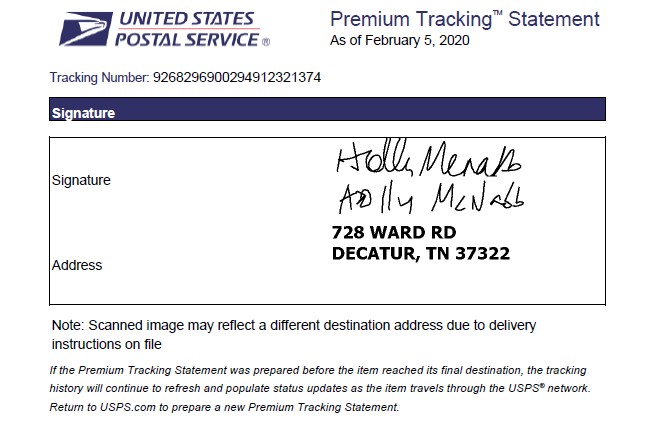
Second, understand the "Delivered" timestamp. The final scan usually includes the date and time of delivery and often the initials of the carrier who completed the handoff. If the status shows delivered but you cannot find the package, check with neighbors or building management before immediately filing a claim.
Finally, retain the tracking number until you confirm the recipient’s signature. In the event of loss or theft, this number is your primary ticket for filing an insurance claim and initiating an investigation with the Postal Inspection Service.
In conclusion, USPS Tracking is a powerful interface between the physical movement of goods and the digital consumer. By understanding its language, limitations, and strategic value, individuals and businesses can navigate the postal landscape with greater confidence and efficiency.
Related Post
Mastering The Grid: How USPS Tracking Info Turns Shipping Chaos Into Certainty
Usps Tracking With Ufn Your Quick Guide
Track Shipments with Precision: Master Usps Tracking Plus for Real-Time Visibility

Track Your Shipment with Precision: The Power and Utility of a UPS Tracking Number