Mayo Clinic Portal Decoded: How to Navigate the Hub for Expert Health Guidance and Personalized Care
Mayo Clinic Portal Decoded: How to Navigate the Hub for Expert Health Guidance and Personalized Care
The Mayo Clinic Portal serves as a centralized digital gateway that connects patients, caregivers, and health professionals to trusted medical expertise, streamlined appointment scheduling, and evidence-based health resources. Operated by one of the most respected academic medical centers in the United States, this online interface aims to simplify access to Mayo Clinic’s renowned diagnostic capabilities, treatment options, and ongoing care management. This overview explains how the portal functions, the services it delivers, and how users can maximize its features to support informed decision-making and coordinated care.
The Mayo Clinic system has built its reputation on a philosophy that places the patient experience at the center of medical innovation, and the digital portal reflects that commitment. As health care continues its shift toward virtual and remote models, such platforms become critical infrastructure for maintaining continuity of care. From reviewing test results to communicating with care teams and managing follow-up plans, the portal is designed to make complex health care logistics more transparent and manageable for individuals and families.
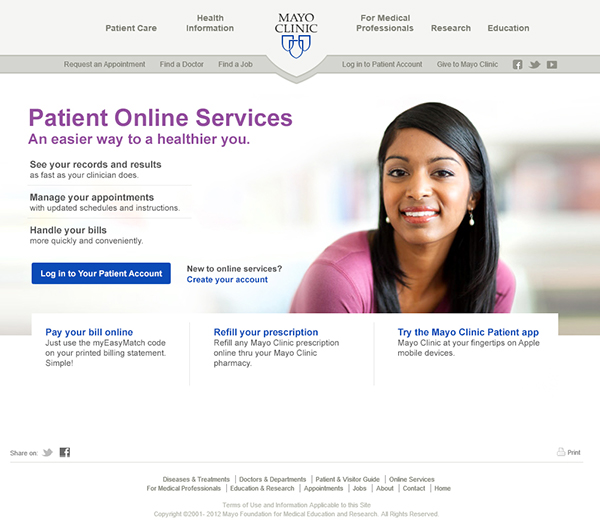
Core functionalities of the Mayo Clinic Portal revolve around secure messaging, appointment management, and access to personal health records. Through a single, unified login, users can perform multiple tasks that would otherwise require several phone calls or visits. This consolidation of services helps reduce administrative friction and enables a more streamlined interaction with the clinic’s extensive network of specialists.
Among the most frequently used features are the ability to request prescription refills, review upcoming appointments, and confirm check-in details before arriving at a facility. The portal also supports virtual visits, allowing patients to connect with clinicians via secure video or phone calls when in-person care is not necessary. This flexibility is especially valuable for individuals who live far from Mayo Clinic campuses or have mobility or time constraints that make travel challenging.
Patients can also track the status of tests and procedures through the portal, often receiving updates before results are formally discussed with a physician. This early visibility can help reduce anxiety, though it is intended to complement, not replace, clinical interpretation by trained professionals. The platform frequently provides educational materials tailored to specific conditions, which can help patients prepare questions and actively participate in shared decision-making.
For health care teams, the portal functions as a coordination tool that aligns information across departments and locations. Physicians, nurses, pharmacists, and therapists can access a consolidated view of a patient’s history, including medications, allergies, imaging studies, and prior interventions. This interoperability supports more accurate diagnoses and safer treatment planning, particularly in complex cases that involve multiple specialties.
Certain features are designed to support long-term management of chronic conditions such as diabetes, heart disease, and respiratory disorders. Through the portal, care plans can be reviewed, vital metrics logged, and reminders for screenings or vaccinations scheduled in advance. Some users appreciate the ability to set personal health goals and track progress over time, using charts and summaries that translate raw data into understandable patterns.
Security and privacy are foundational to the design of the portal, given the sensitivity of medical information. Access is protected by multiple authentication steps, and communications are encrypted to minimize the risk of unauthorized interception. Users are encouraged to use strong passwords, enable two-factor authentication when available, and review account activity regularly to detect any unusual access.
Mayo Clinic emphasizes that the portal should not be used for emergency situations, and it typically includes clear guidance about when to call emergency services or visit an urgent care center. While the platform can address many non-urgent questions, it is not a substitute for immediate clinical evaluation during life-threatening events. Understanding these boundaries helps ensure that the portal is used safely and effectively as part of a broader care strategy.
Getting started with the Mayo Clinic Portal usually involves creating an account through the organization’s main website, with verification steps to confirm identity and link the user to existing medical records. First-time users may be prompted to review consent forms that govern how their data can be shared and used. Once activated, the interface guides users through key features, allowing them to explore scheduling tools, message functions, and educational content at their own pace.
Families managing care for multiple relatives can add authorized users or proxies, which can simplify coordination for older adults or individuals with limited digital literacy. This feature is particularly helpful when a single person is responsible for tracking appointments, medications, and insurance information across several households. Clear instructions and support resources are available to help users navigate these more advanced configurations.
One of the portal’s strengths is its integration with Mayo Clinic’s research and clinical trial programs. Patients interested in experimental therapies or novel treatment approaches can sometimes find and express interest in studies directly through the platform. This connection can open doors to cutting-edge care while contributing to medical knowledge, though participation always involves careful review of risks and benefits with a research team.
The platform also supports post-discharge planning, which can ease the transition from hospital to home or rehabilitation facility. Care summaries, medication lists, and follow-up instructions are often made available shortly after a stay, giving patients and caregivers a clear picture of next steps. When questions arise, secure messaging allows for quick clarification without needing to make a new appointment.
In practice, the effectiveness of the Mayo Clinic Portal depends in part on how well it aligns with a patient’s existing care ecosystem. Some individuals prefer to integrate portal communications with their primary care physician, while others use it primarily for specialized services at Mayo Clinic facilities. The flexibility to manage multiple aspects of health through a single interface can reduce confusion and promote continuity across different providers.
Feedback from users highlights the value of having a reliable digital space where medical information is centralized and consistently formatted. Comments often mention the convenience of reviewing past visits, test results, and education materials in one location. At the same time, users note that learning curves exist, especially for those who are less familiar with digital tools or who have complex care needs that require more in-depth guidance.
As technology evolves, the portal continues to incorporate new features such as enhanced mobile access, personalized content recommendations, and expanded language support. These updates aim to broaden accessibility and ensure that digital tools reflect the diversity of the patient population served. By leveraging patient input and performance data, Mayo Clinic works to refine the portal so that it remains both user-friendly and clinically robust.
Ultimately, the Mayo Clinic Portal represents more than a collection of online tools; it is a reflection of a health system’s effort to extend its expertise beyond brick-and-mortar walls. For patients seeking authoritative guidance, streamlined processes, and coordinated care, the portal offers a practical means to stay engaged in their health journey. When used thoughtfully, in partnership with clinicians and caregivers, it can serve as a powerful component of modern, patient-centered health management.
Related Post
Unlock Your Health: Mastering the Mayo Clinic Portal Login Experience

Mayo Clinic Portal Transforms Chronic Disease Management: A New Era in Personalized, Patient-Centered Care


