Menards Insulation: Cutting Home Energy Loss, Heating Bills, and Installation Tips for Homeowners
Menards Insulation: Cutting Home Energy Loss, Heating Bills, and Installation Tips for Homeowners
Homeowners searching for ways to improve comfort and reduce energy costs often focus on insulation as a foundational upgrade. At Menards, a wide selection of fiberglass, mineral wool, and foam insulation products is available alongside tools to support DIY installation. This article examines the types of insulation sold at Menards, their performance characteristics, installation best practices, and realistic expectations for energy savings.
Insulation works by slowing heat transfer, keeping warm air in during winter and out during summer, and the right product and installation approach can meaningfully affect utility bills and indoor comfort. While material costs vary, proper insulation can deliver a measurable return on investment through lower heating and cooling expenses. The following sections break down what is available at Menards and how to choose and install it effectively.
Common Insulation Types Carried at Menards
Menards stocks several insulation types, each suited to different applications, climates, and budgets. Understanding their differences helps homeowners select the right product for walls, attics, floors, and other spaces.
Fiberglass Batts and Rolls
Fiberglass batt insulation is one of the most familiar and widely used options, and Menards offers various R-values and widths to fit standard stud and joist spacing. These batts are flexible, relatively easy to handle, and designed to fit between framing members without requiring special tools. For unfinished walls, attics, or floors above unconditioned spaces, fiberglass batts can be a cost-effective choice when installed carefully to avoid gaps.
- Available in different widths to match common stud depths, such as 2x4 or 2x6 construction.
- Measured by R-value, which indicates resistance to heat flow; higher R-values provide greater insulating power.
- Typically faced with kraft paper or foil, which acts as a vapor retarder when installed correctly toward the heated side of the wall.
Loose-Fill and Blown-In Insulation
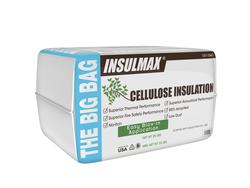
For attics and other cavities where uniform coverage is difficult to achieve with batts, Menards also carries materials for blown-in installation, including fiberglass and cellulose options. Loose-fill insulation can fill irregular spaces, wrap around obstacles like wiring, and reduce air infiltration more effectively in some situations. This method is often used to add insulation over existing attic material or to achieve higher R-values without thickening walls.
- Preparation of the installation area and safety equipment, including masks and goggles.
- Proper depth and density settings to meet target R-values and avoid settling over time.
- Coverage checks to ensure no gaps, voids, or thin spots that reduce performance.
Rigid Foam Boards
Rigid foam insulation boards, including polystyrene, polyisocyanurate, and extruded polystyrene, are available in various thicknesses for use in foundations, exterior walls, and under slabs. These materials offer high R-value per inch, making them efficient for space-constrained applications. In addition to thermal performance, some foam boards contribute to air barriers and can help reduce thermal bridging in framed assemblies.
Mineral Wool Products
Mineral wool, or rock wool, insulation is another option stocked at some Menards locations, prized for its fire resistance and sound-dampening properties. It is commonly used in walls where noise reduction is desired, as well as in places where higher temperature resistance is beneficial. Though somewhat more expensive than standard fiberglass, mineral wool can be a good choice for specialized applications.
How to Choose the Right Insulation for Your Project
Climate Considerations
The recommended R-values for attics and walls vary by climate zone, with colder regions generally needing higher insulation levels. The U.S. Department of Energy provides maps that specify minimum R-values based on local heating and cooling requirements. Homeowners in areas with extreme temperatures may benefit from higher R-values in both winter and summer.
Location and Installation Access
Walls that are already closed in are more difficult and costly to insulate than accessible attics or open wall cavities during framing. For finished spaces, low-dust options like certain dense-pack cellulose products may be preferred. In new construction or major remodeling, it is easier to coordinate insulation placement with framing and air sealing strategies.
Moisture and Ventilation
Best Practices for Installing Insulation
Air Sealing First
Avoiding Compression and Gaps
Safety Considerations
Realistic Expectations for Energy Savings
Conclusion
Related Post
Revolutionizing Home Insulation with Menards Insulation Board: A Game-Changer for Energy Efficiency
Revolutionizing Home Insulation with Menards Insulation Board: A Comprehensive Guide