Miami-Dade County Offender Search: A Complete Guide to Locating Inmate Records
Miami-Dade County Offender Search: A Complete Guide to Locating Inmate Records
In Miami-Dade County, Florida, the public has access to detailed records of inmates through the county’s offender search system. This tool, managed by the Miami-Dade County Corrections Department, allows residents to verify the status, location, and legal history of individuals incarcerated in the county’s facilities. The search interface is designed for transparency, offering the community timely information about arrests, bookings, and releases. This article explains how the system works, what information is available, and how to use it correctly.
The Miami-Dade County Offender Search is a web-based platform that pulls data from the agency’s inmate database. It serves both the public and authorized parties who need to confirm custody status or track the movement of individuals through the correctional system. By standardizing the release of specific, non-confidential data, the county balances public safety interests with privacy considerations. Because the information is updated frequently, users can rely on it for current status checks rather than waiting for phone calls or physical mail.
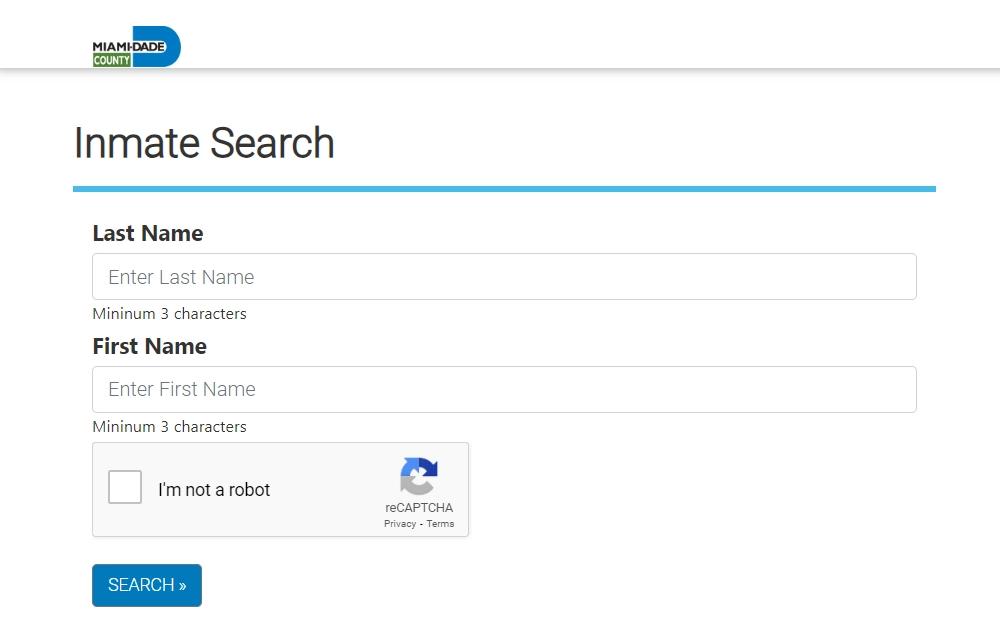
Accessing the search portal is straightforward and intended for broad use. Anyone with an internet connection can visit the official Miami-Dade County government site to locate the offender lookup tool. The page typically asks for one or more identifiers to narrow down results. These identifiers may include full name, date of birth, or inmate ID number when available.
Once the search is initiated, the system displays a list of matching records with key details about each person. The following are examples of the standard data points provided in the results:
- Inmate Name: The legal name as recorded during booking.
- Inmate ID: A unique number assigned to the individual within the system.
- Date of Birth: Used to differentiate between individuals with similar names.
- Booking Date: When the person was taken into custody.
- Charge(s): The specific allegations leading to incarceration.
- Court Information: The originating jurisdiction or case number if available.
- Custody Status: Whether the person is in custody, released, or pending disposition.
- Facility Location: The specific correctional facility where the inmate is housed.
It is important to note that the search reflects the status at the time of the last data update. Delays between actual movement and system updates can occur due to processing times or technical factors. Users should confirm critical information through official channels if it will affect legal or personal decisions.
The offender search has practical applications for a variety of users. Families may use it to monitor the status of relatives involved in the criminal justice system. Legal professionals might verify prior custody details when preparing cases or client advisement. Community organizations sometimes track patterns in charges or sentencing outcomes to inform social services or advocacy efforts.
While the tool increases transparency, it also operates within legal and ethical boundaries. Sensitive personal information, such as full Social Security numbers, detailed medical records, or confidential victim data, is not included in the public results. The system adheres to state laws governing the release of correctional records and follows protocols to prevent misuse of the information displayed.
In some cases, users may encounter difficulties locating a specific individual. This can happen for several reasons, such as spelling variations in names, recent bookings that have not yet synced, or individuals held in other jurisdictions. If a search yields no results but the person should be in the system, contacting the Corrections Department directly can help clarify the situation. Staff can often confirm whether an arrest has been processed or if the person has been transferred to another facility.
The Miami-Dade County Offender Search represents one component of a broader framework of public records access in Florida. Other tools, such as statewide inmate databases and court record systems, can provide complementary information for users conducting deeper investigations. Together, these resources allow for a more comprehensive view of an individual’s involvement with the justice system, though each platform operates independently.
Accuracy and reliability remain central to the design of the offender search. The data is sourced directly from booking logs, court filings, and facility reports, then consolidated into a single interface. Corrections staff regularly review entries to correct errors or update statuses, particularly when cases are resolved or detainees are transferred. Despite these efforts, users are encouraged to interpret the information as a snapshot rather than a complete legal history.
For those unfamiliar with the process, starting a search requires only basic information. The steps typically involve the following:
1. Open an internet browser and navigate to the official Miami-Dade County government website.
2. Locate the section labeled Corrections or Inmate Search, often found under departments or services.
3. Enter the requested identifying details in the provided fields.
4. Submit the query and review the results displayed on the next screen.
5. Print or save relevant information if needed for future reference.
Because technology and policies evolve, users should verify the current procedures through official announcements or help documentation. The county occasionally updates its platforms to improve usability, enhance security, or comply with new regulations. Staying informed about these changes ensures that the search is used effectively and appropriately.
The existence of a publicly accessible offender search reflects a long-standing commitment to openness in local government operations. By providing residents with straightforward access to non-sensitive correctional data, Miami-Dade County supports informed civic engagement. At the same time, the system underscores the importance of responsible use, reminding users that the information serves awareness rather than judgment.
Related Post
Cracking the Code: Unlocking the Power of Miami-Dade County Offender Search