Mike Rowe: The Reluctant Prophet of Blue-Collar Dignity in an Age of Disrespect
Mike Rowe: The Reluctant Prophet of Blue-Collar Dignity in an Age of Disrespect
For over two decades, Mike Rowe has served as an unlikely cultural commentator, leveraging his background as a television host to advocate for the skilled trades. From his unvarniced narration of "Dirty Jobs" to his sharp critiques of societal trends, Rowe has positioned himself as a leading voice on the value of labor. This article examines how Rowe’s message about the dignity of work has evolved into a broader philosophy on economics, education, and national resilience.
The Genesis of a Brand: From Broadway to the Bucket List
Before there was a "Mike Rowe," there was a young man from Baltimore who studied acting at the University of Michigan and performed on Broadway. Disenchanted with the volatility of show business, Rowe took a job cleaning out septic tanks in 1998. That grimy side gig became the unlikely genesis of a media empire.
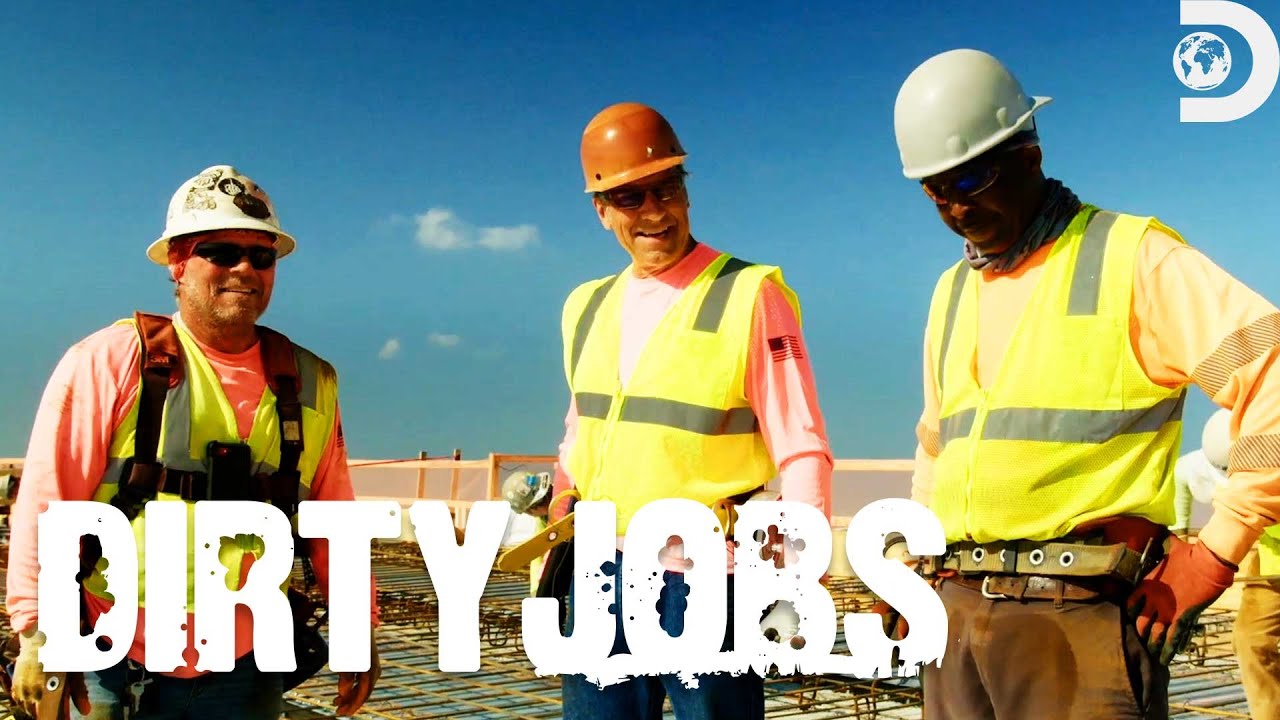
Producer Peter Heinrichs approached Rowe about hosting a show that documented the people who keep the world running—the ones most of us never see. What began as a series about dangerous jobs transformed into a cultural phenomenon that lasted 16 seasons. Rowe did not set out to be a philosopher; he simply set out to do a job that needed doing.
The Philosophy of "Mucking About": Defining the Dirty Jobs Ethos
The central tenet of Rowe’s worldview is the concept of "mucking about." He distinguishes this from mere suffering or exploitation. In his framework, "mucking about" is the voluntary, dignified engagement with necessary, difficult, and often dirty work.
- Voluntary: The worker chooses the challenge.
- Skilled: The job requires specific training or aptitude.
- Useful: The work provides a tangible service to society.
Rowe argues that this trifecta creates intrinsic value that is absent from mere complaints about labor. He frequently quotes the idea that a job is a "gift" you give to an employer, and in return, the employer gives you a paycheck. This simple equation flips the modern sense of entitlement on its head, placing responsibility and gratitude at the center of the employer-employee relationship.
Confronting the "College for All" Myth
Perhaps Rowe’s most significant impact has been in the realm of education policy. While the national narrative pushed the idea that every high school student should aspire to a four-year university, Rowe watched the skilled trades hemorrhage workers. He saw the cultural contempt for blue-collar work create a vacuum that threatened national infrastructure.
"We have apprenticeships that require a drug test and an interview, and we have 18-year-olds with bachelor’s degrees flipping burgers," Rowe noted in a 2017 interview. He did not argue against college; rather, he argued against the *monopoly* of college. He advocated for a "next chapter" in life where young people weigh all options, including vocational training, before taking on debt.
The Economics of Attention: Rowe’s Take on Modern Culture
Rowe is a vocal critic of what he terms the "Culture of Contempt." In an era of social media outrage and tribal politics, Rowe observes that people gain attention by being loud, angry, and divisive. He contrasts this with the quiet satisfaction of a job well done.
He argues that the "attention economy" rewards negativity because controversy drives clicks and views. In contrast, the trades operate on a "currency of competence." If you fix a pipe, you get paid; if you fail, you get fired. Rowe sees this as a healthier metric for personal fulfillment than the "Like economy" of the internet.
Work, Wealth, and the American Dream
Rowe distinguishes between wealth and income. He argues that the relentless pursuit of higher income leads to higher spending, trapping individuals in a cycle of consumption. True wealth, he claims, comes from asset accumulation and living below one's means—principles often practiced by tradespeople who rely on steady, reliable income rather than boom-and-bust cycles.
He frequently discusses the "Slow Road to Build," emphasizing that durable change takes time. Whether it’s learning a trade or rebuilding a crumbling bridge, Rowe believes in the dignity of incremental progress. He warns against get-rich-quick schemes, noting that they often devalue the very concept of hard work.
The Future of the Conversation: Rowe’s Enduring Influence
As debates over automation, AI, and the future of labor intensify, Rowe’s message appears more relevant than ever. He acknowledges that technology will eliminate some jobs, but he remains skeptical of the notion that this will create a utopia of leisure. History, he argues, suggests that when a job is automated, humans move sideways to perform other necessary tasks, not dissolve into idleness.
Rowe continues to operate through his website, "mikeroweWORKS," and his foundation, which provides scholarships to skilled trade programs. He remains a megaphone for the idea that the country needs builders, problem solvers, and makers. In a world obsessed with disruption and disruption for its own sake, Mike Rowe stands as a reminder that the world runs on maintenance as much as innovation.
Related Post

Mike Rowe's Love Life: A Deep Dive into the Married Life of the King of Blue-Collar TV

The Life of Mike Rowe: Unmasking the Myths and Legends of the Man Who's Made a Career Out of Getting His Hands Dirty
Unveiling the Mystery Surrounding How Old Is Mike Rowe's Wife: A Deep Dive into the Life of Patricia Rowe

Mike Rowe's Wife: The Secret Life of the Host of "Dirty Jobs"