Mojovillage Las Vegas: Inside the Desert Utopia Blending Tech, Art, and Community
Mojovillage Las Vegas: Inside the Desert Utopia Blending Tech, Art, and Community
Mojovillage Las Vegas redefines temporary urban living by merging technology, art, and community in the Nevada desert. Located near the Las Vegas Strip, this experimental development functions as both a live-work ecosystem and a testing ground for future cities. This article examines its origins, design philosophy, community structure, and broader implications for urban innovation.
Mojovillage represents a shift from conventional real estate models toward experience-driven environments where flexibility and participation replace rigid ownership. It attracts digital nomads, entrepreneurs, creators, and collaborators seeking infrastructure, inspiration, and connection without sacrificing desert solitude. Over time, the project has evolved into a microcity that reflects a growing appetite for modular, adaptable living among urban professionals.
Concept and Vision
Mojovillage originated as a response to rising urban costs, isolation in remote work, and the environmental limitations of traditional suburban sprawl. Instead of building a gated residential complex, the founders aimed to create a programmable habitat where tools, culture, and shared resources converge. As one early team member explains, the goal was to “design a place where people can experiment with how they live and work, without abandoning the amenities of a city.”
The vision draws from several influences, including Burning Man’s principle of radical self-expression, tech-campus efficiency, and European coworking communities. Unlike purely commercial developments, Mojovillage prioritizes social infrastructure, emphasizing accessibility, local culture, and environmental responsibility. This combination of idealism and pragmatism gives the project its distinctive character.
Design and Infrastructure
The physical layout of Mojovillage balances modular efficiency with human-scale design. Domes, prefabricated cabins, and adaptive structures occupy a compact footprint to minimize environmental disruption while maximizing usability. Each unit is designed for flexibility, allowing residents to reconfigure spaces for work, rest, or collaboration.
Key infrastructure elements include:
High-speed, low-latency internet supported by a hybrid mesh and satellite system, ensuring connectivity even during large events.
Renewable energy systems integrating solar arrays and battery storage to power common areas and individual units.
Water reclamation facilities and greywater systems that reduce consumption in a desert environment.
Mobility solutions such as bike lanes, EV charging stations, and shuttle access to nearby transit hubs.
These features collectively create a resilient framework that supports both everyday living and experimental projects.
Community and Governance
Community life at Mojovillage centers around shared resources, such as communal kitchens, studios, and event spaces. Weekly gatherings, skill-sharing workshops, and collaborative hackathons foster interaction among residents from varied professional backgrounds. Rather than relying solely on property lines, social borders are negotiated through participation and mutual respect.
Governance operates through a hybrid model that combines consensus-based decision-making with clear operational guidelines. Residents contribute to policies regarding noise, usage schedules, and conflict resolution, often through online platforms that track feedback and voting outcomes. This approach allows the community to remain agile while maintaining clarity and accountability.
Economic Model and Partnerships
Mojovillage functions as a private development with open-access elements, blending membership tiers, rental income, and event revenue. Short-term stays are available for tourists and visiting professionals, while long-term leases support a core resident population. Partnerships with tech companies, creative agencies, and educational institutions help anchor the ecosystem with programming and internships.
Because the site is adjacent to the Las Vegas Strip, it benefits from existing tourism infrastructure while offering an alternative narrative of what urban experimentation can look like. Vendors, performers, and pop-up businesses frequently use the grounds, injecting a dynamic cultural layer into the daily rhythm of the village.
Cultural Impact and Events
Beyond housing and work, Mojovillage serves as a stage for artistic and cultural expression. Light installations, live music, and immersive theater often transform the site at night, engaging both residents and visitors. These events highlight the desert setting while showcasing emerging artists who might lack traditional exhibition opportunities.
The juxtaposition of high-tech infrastructure and low-desert landscape creates a unique aesthetic that has begun to attract attention from filmmakers, photographers, and designers. In many ways, Mojovillage functions as both a backdrop and a collaborator in these projects, offering textures and lighting conditions that are difficult to replicate elsewhere.
Challenges and Adaptations
No experimental community is without obstacles. Seasonal heat, dust storms, and fluctuating energy demands require constant recalibration of systems. During major events, noise, traffic, and resource strain test the resilience of both infrastructure and social norms.
In response, the team has introduced stricter event protocols, improved data monitoring, and expanded maintenance crews. Transparent communication with nearby residents has also helped mitigate concerns related to parking, noise, and lighting. These adaptations demonstrate the project’s capacity to learn and evolve in real time.
What Mojovillage Signals for the Future
Mojovillage Las Vegas illustrates how temporary structures can evolve into durable social ecosystems when designed with intention and flexibility. It challenges traditional notions of home and workplace by treating both as fluid, participatory constructs. As remote work becomes more embedded in professional life, such experiments may serve as blueprints for future neighborhoods.
Rather than positioning itself as a replacement for cities, Mojovillage functions as a complementary node in a broader network of distributed communities. Its proximity to urban centers, cultural infrastructure, and transportation corridors allows residents to move between solitude and stimulation without losing continuity.
The project also raises questions about scalability and equity. Can models developed in a relatively affluent, experimental context be adapted for more constrained environments? Advocates argue that the principles of participation, resource efficiency, and design flexibility are transferable, though implementation will always depend on local conditions and stakeholder priorities.
Ultimately, Mojovillage Las Vegas offers more than a novel housing concept; it provides a framework for reimagining how people relate to space, technology, and one another. By blending artistry, pragmatism, and community governance, it presents a tangible example of how future settlements might balance innovation with human connection.
Related Post

Discover the Ultimate Lifestyle at Mojo Village Las Vegas, NV: Luxury Living Redefined
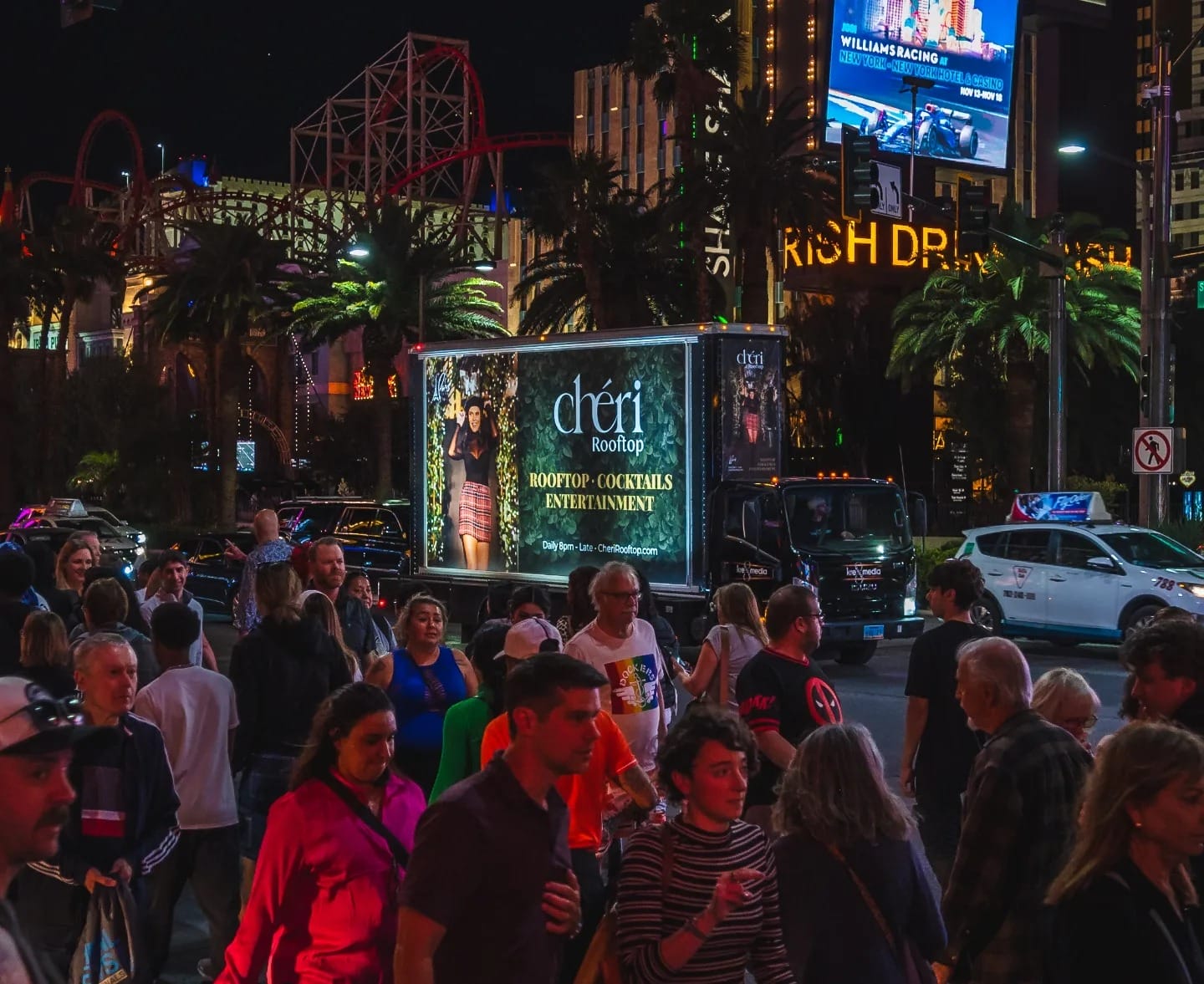
Discover the Hidden Gem of Las Vegas: Mojovillage<br>A Unique Experience Awaiting Just Beyond the Neon Strip

Cmmc Patient Portal: Revolutionizing Healthcare Through Secure and Convenient Access
:max_bytes(150000):strip_icc():focal(799x0:801x2)/jayson-tatum-parents-2-1-202cf0cb9b7642f1b54e165962900c8b.jpg)
Jayson Tatum's Private Life in the Spotlight: Uncovering the Identity of His First Baby Mama and Navigating the Challenges of Celebrity Paternity


