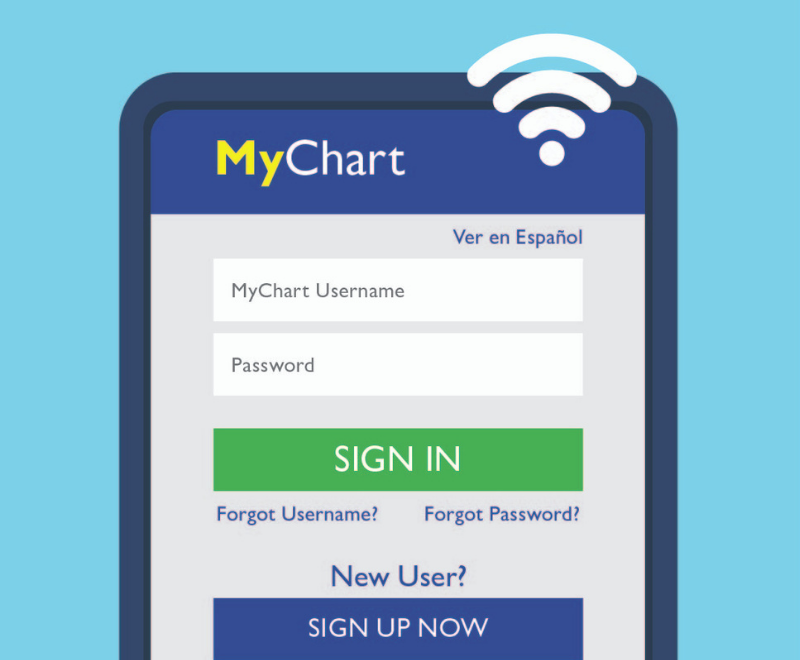
MyChart at Johns Hopkins: The Digital Front Door to Comprehensive Patient Care
MyChart at Johns Hopkins: The Digital Front Door to Comprehensive Patient Care
MyChart at Johns Hopkins has evolved from a simple patient portal into the central nervous system of a sprawling healthcare ecosystem. It serves as the primary digital interface through which millions of patients access their medical records, communicate with providers, and manage their health journey. This system represents the critical bridge between cutting-edge medical research at Johns Hopkins and the everyday realities of patient care.
For decades, Johns Hopkins Medicine has been synonymous with medical innovation and research excellence. The integration of MyChart across its numerous hospitals, outpatient centers, and faculty practices represents a logical, yet transformative, next step. This digital infrastructure is designed to streamline the patient experience while ensuring that the vast repository of knowledge generated at Johns Hopkins is accessible to the individual.
The portal is not merely a tool for viewing test results; it is a command center for personal health management. It facilitates a more proactive and engaged relationship between patients and their care teams. As the healthcare landscape continues to evolve, MyChart at Johns Hopkins stands as a cornerstone of its strategy to deliver efficient, data-driven, and patient-centered care.
The Genesis of a Digital Health Partnership
The story of MyChart at Johns Hopkins begins with a fundamental shift in how healthcare organizations approach patient engagement. The partnership with Epic Systems, the developer of the MyChart platform, was a strategic move to standardize and modernize the electronic health record (EHR) system across the entire Johns Hopkins Health System. This initiative aimed to replace a fragmented landscape of disparate systems with a single, unified platform accessible to both clinicians and patients.
Implementing such a system across a massive academic medical center is a monumental task. It requires meticulous planning, extensive training, and unwavering commitment to data integrity. The goal was never just to digitize paper records, but to create a dynamic, intelligent tool that enhances clinical workflows and empowers patients. The rollout of MyChart was a key component of this broader digital transformation, signifying Johns Hopkins' commitment to leveraging technology for the betterment of patient care.
Core Features and Functionalities
MyChart serves as a multi-faceted portal that provides a 360-degree view of a patient's health. Its core functionalities are designed to put the patient at the center of their care journey. These features are constantly evolving, but they generally fall into several key categories.
Secure Messaging and Communication
One of the most utilized features is secure, asynchronous messaging. Patients can send non-urgent questions to their care team, schedule appointments, request prescription refills, and receive responses without needing to make a phone call. This functionality reduces the administrative burden on clinic staff and provides patients with a convenient channel for communication.
Comprehensive Health Records Access
MyChart provides patients with unprecedented access to their own health information. This includes:
- Visit summaries from recent appointments.
- Complete problem lists and medication lists.
- Laboratory test results, often as soon as they are finalized.
- Immunization records and radiology/imaging reports.
- Allergy information and surgical history.
This transparency allows patients to be more informed participants in their healthcare decisions.Appointment Management
The portal allows for easy viewing of upcoming appointments, the ability to schedule new ones within available slots, and the option to cancel or reschedule existing appointments. This self-service model frees up significant time for hospital administrative staff.
Prescription Management
Patients can view their current medications, request refills, and even message their provider about potential side effects or issues related to their prescriptions. While not all requests are granted automatically, the platform provides a direct line of communication for these important needs.
Bill Pay and Financial Navigation
MyChart often includes links to view Explanation of Benefits (EOBs), understand insurance coverage, and pay outstanding bills. This financial transparency is a valuable, though sometimes underutilized, feature of the portal.
Integration with Johns Hopkins' Advanced Research
What truly sets MyChart at Johns Hopkins apart is its deep integration with the institution's world-renowned research capabilities. The platform is not an island; it is a conduit, bringing the latest research findings and clinical trials directly to the point of care.
For example, a patient managing a chronic condition like diabetes or heart disease can access educational materials and updates on the latest treatment protocols developed by Johns Hopkins researchers. The system can also be used to screen for and manage enrollment in clinical trials. A patient with a rare form of cancer might receive a notification through MyChart about a newly opened study at the Sidney Kimmel Comprehensive Cancer Center. This seamless connection between research and clinical practice is a powerful differentiator.
"MyChart allows us to operationalize the research mission of Johns Hopkins in a very direct way," explains a hypothetical Chief Medical Information Officer at the health system. "It’s not just about delivering care today, but about ensuring that the innovations of tomorrow are accessible to our patients right now. The portal is a vital tool for closing the loop between discovery and delivery."
Benefits for Patients and Providers Alike
The impact of MyChart is felt on both sides of the consultation room. For patients, the benefits are centered on convenience, empowerment, and improved health literacy. For providers, the platform offers efficiencies that can translate to better patient care.
For Patients:
- Convenience: Access health information and communicate with your care team 2/7, from anywhere.
- Empowerment: Take a more active role in managing your health with complete visibility into your records.
- Improved Care Coordination: View a consolidated record of your care across all Johns Hopkins facilities.
- Access to Knowledge: Connect with the latest research and clinical trials without leaving the portal.
For Providers:
- Streamlined Workflow: Secure messaging and automated tasks (like refill requests) free up time for direct patient care.
- Better Preparation: Reviewing a patient's messages and records before an appointment allows for more focused and productive visits.
- Continuity of Care: A single, shared record ensures that all providers involved in a patient's care are on the same page.
- Data-Driven Insights: Access to aggregated, de-identified patient data can support clinical research and quality improvement initiatives.
Challenges and Considerations
Despite its many advantages, the implementation and use of MyChart, like any major technological shift, are not without challenges. The digital divide remains a significant concern.
Not all patients have equal access to the technology or digital literacy required to navigate the portal effectively. Seniors, low-income populations, and individuals with limited English proficiency may face barriers to adoption. Johns Hopkins and other health systems must continue to offer alternative methods of communication and support to ensure that MyChart enhances, rather than hinders, equitable access to care.
Other considerations include the potential for patient anxiety caused by "cyberchondria" (self-diagnosis based on online search results) and the security risks inherent in storing vast amounts of personal health data. Robust security protocols and clear patient education are essential to mitigate these risks. The human element of care must also be preserved; over-reliance on messaging should not replace the vital nuances of in-person communication.
The Future of MyChart at Johns Hopkins
The future of MyChart is one of continued integration and innovation. We can expect to see deeper integration with wearable devices, allowing for the passive collection of health data like heart rate and activity levels. Imagine your MyChart dashboard automatically displaying your recent glucose readings from your smartwatch, giving your care team a more complete picture of your health between visits.
Artificial intelligence (AI) tools are also poised to play a larger role. These could range from chatbots that answer simple, frequently asked questions to algorithms that alert a clinician to subtle patterns in a patient's data that might indicate a potential health risk. The portal will become not just a repository of information, but an intelligent partner in health management, further solidifying its role as the digital front door to the world-class care offered by Johns Hopkins.
Related Post