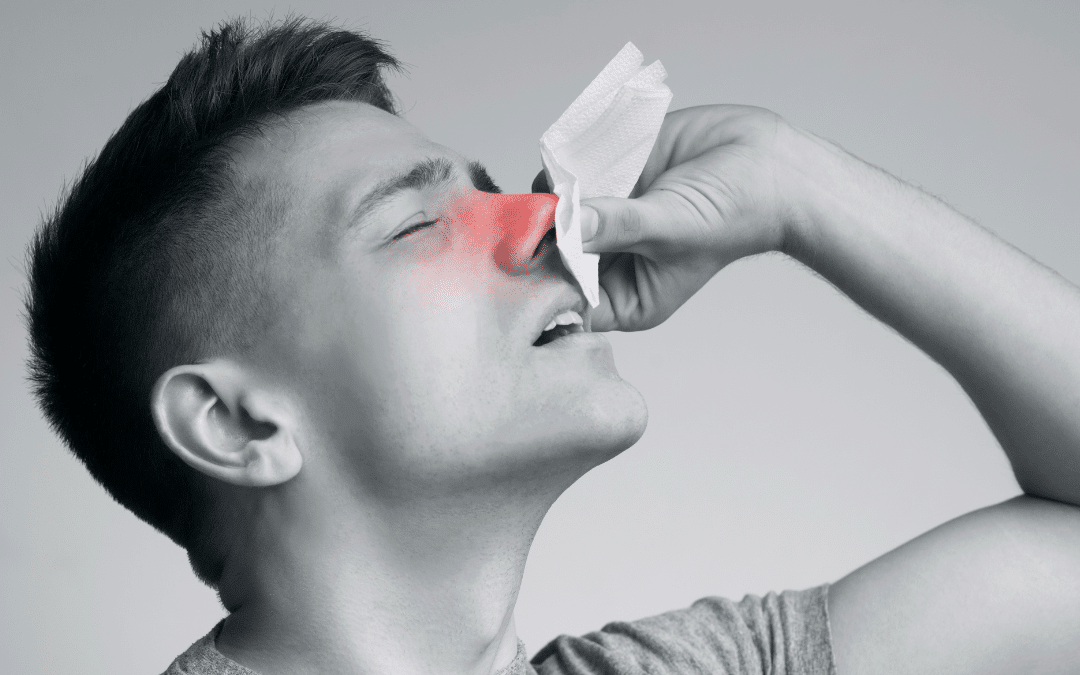
"Nasal Vestibulitis" Warning: The Unseen Peril Inside Your Nostrils and How to Stop It
"Nasal Vestibulitis" Warning: The Unseen Peril Inside Your Nostrils and How to Stop It
Nasal vestibulitis, an often-overlooked inflammation at the entrance of the nasal cavity, transforms a simple act of breathing into a source of persistent discomfort and pain. While not a life-threatening condition, this localized infection or irritation can significantly degrade quality of life, leading to heightened sensitivity, swelling, and an increased risk of more complex sinus issues. This article provides a comprehensive overview of the causes, symptoms, and evidence-based treatments for nasal vestibulitis, drawing on clinical insights to distinguish between self-care strategies and scenarios requiring professional medical intervention.
Anatomy of Discomfort: Understanding the Nasal Vestibule
To grasp the nature of nasal vestibulitis, one must first understand the specific area it affects. The nasal vestibule is the anatomical gateway, the transitional zone just inside the nostrils. Unlike the deeper, ciliated passages of the nose lined with respiratory epithelium, the vestibule is composed of skin and hair follicles.
This skin is rich in sebaceous (oil) glands and is therefore prone to the same issues as other follicular areas on the body, such as acne or folliculitis. When this delicate skin becomes inflamed or infected, the result is nasal vestibulitis. The condition is broadly categorized into two types, each with distinct origins:
- Infectious Vestibulitis: Typically caused by bacterial invasion, most commonly Staphylococcus aureus, including methicillin-resistant strains (MRSA).
- Non-infectious Vestibulitis: Caused by physical trauma, chemical irritation, or underlying skin conditions like acne rosacea or eczema.
The convergence of a high bacterial load in the nasal environment, frequent digital manipulation (nose picking), and environmental pollutants creates a perfect storm for this condition to develop.
The Culprits and the Triggers: Root Causes Explained
The onset of nasal vestibulitis is rarely due to a single factor. It is usually the result of a combination of mechanical stress and microbial opportunity.
Physical Trauma and Digital Manipulation
The most common direct cause is trauma to the vestibular skin. This trauma is frequently self-inflicted through habitual nose picking. The fingernail acts as a sharp instrument, creating micro-abrasions that breach the skin barrier. Once the barrier is broken, bacteria residing on the skin surface can easily colonize the wound, leading to infection.
Other forms of physical stress include:
- Excessive Nose Blowing: Vigorous or frequent blowing, especially during a cold or allergies, can irritate and chafe the sensitive skin.
- Nasal Hair Plucking: Removing nasal hairs with tweezers or waxing removes a natural filter and can cause follicular damage and ingrowth.
- Environmental Irritants: Exposure to chemical fumes, dust, or extreme weather conditions can dry out and crack the nasal skin.
Microbial Pathogens and Systemic Factors
While Staphylococcus aureus is the predominant bacterium, other pathogens can be involved. The nasal cavity is a warm, humid environment ideal for bacterial growth, particularly when the mucosa is compromised.
Systemic and lifestyle factors also contribute significantly to susceptibility:
- Underlying Skin Conditions: Individuals with acne rosacea, seborrheic dermatitis, or eczema are at a higher risk due to pre-existing inflammation and skin compromise.
- Immunocompromised State: Conditions like diabetes or the use of immunosuppressive medications can impair the body’s ability to fight off minor skin infections.
- Chronic Nasal Issues: conditions such as chronic rhinitis or sinusitis cause persistent inflammation and discharge, creating an environment conducive to vestibulitis.
Recognizing the Warning Signs: Symptoms to Watch For
The symptoms of nasal vestibulitis are typically localized and evident upon inspection of the nostrils. Early recognition is key to preventing the condition from worsening or becoming a recurrent issue.
The most common clinical presentation includes:
- Pain and Tenderness: A constant, dull ache or sharp pain at the entrance of the nose, often exacerbated by touch, smiling, or talking.
- Visible Redness and Swelling: The skin around the nostrils becomes erythematous (red) and edematous (puffy). In more advanced cases, a noticeable bump or nodule may form.
- Crusting and Discharge: A yellowish or clear viscous fluid, which may dry and form crusts around the nostrils, particularly upon waking.
- Itching or Burning Sensation: An uncomfortable feeling deep within the nasal opening.
- Nasal Furunculosis: In severe, untreated cases, the infection can penetrate deeper into the hair follicle, forming a painful, pus-filled boil known as a furuncle. This presents as a larger, more fluctuant (fluid-filled) nodule.
Dr. Anya Sharma, a board-certified otolaryngologist (ENT specialist), notes, "Patients often describe the pain as a constant, throbbing sensation that makes wearing glasses or a mask particularly difficult. They come in frustrated, unable to sleep on one side, and desperate for relief."
The Diagnostic Journey: From Self-Check to Clinical Confirmation
Diagnosis of nasal vestibulitis is largely clinical, relying on a thorough patient history and a straightforward physical examination.
The diagnostic process typically involves:
- Medical History: The physician will inquire about symptoms, duration, habits like nose picking, history of nasal surgeries, and any underlying health conditions such as diabetes.
- Physical Examination: This is the definitive step. Using adequate lighting and sometimes magnification, the doctor will inspect the vestibular skin for signs of redness, swelling, fissures, or pustules. Gentle palpation will assess for tenderness.
- Differential Diagnosis: To rule out other conditions with similar presentations, such as a septal hematoma, nasal polyps, or signs of an underlying autoimmune disorder.
In rare or complicated cases, where an abscess is suspected or the infection is not responding to initial treatment, a healthcare provider may order a culture. A swab of the discharge can identify the specific bacteria and its antibiotic sensitivities, guiding more targeted therapy.
The Road to Recovery: Treatment and Management Strategies
The treatment plan for nasal vestibulitis is tiered, moving from conservative home care to medical interventions based on the severity of the condition.
First Line: Conservative Care and Hygiene
For mild, early-stage vestibulitis, the primary treatment is often meticulous hygiene and avoidance of further trauma.
- Absolute Rest from Nose Picking: This is non-negotiable. Keeping nails short and using saline sprays to manage dryness can reduce the urge.
- Gentle Cleansing: Washing the area with a gentle, fragrance-free soap and water or using saline wipes to remove crusts.
- Moisturization: Applying a small amount of a bland emollient, such as petroleum jelly (e.g., Vaseline), to the vestibular skin to prevent cracking and promote healing.
- Warm Compresses: Applying a warm, wet washcloth to the area for 10-15 minutes several times a day can soothe pain and help draw out any potential pus.
Medical Intervention: Pharmacotherapy
When conservative measures are insufficient or the infection is more significant, medical treatment becomes necessary.
- Topical Antibiotics: For localized infections, an antibiotic ointment like mupirocin (Bactroban) or fusidic acid is often prescribed. It is applied thinly to the affected area two to three times daily.
- Oral Antibiotics: If the infection is more widespread, involves a furuncle, or shows signs of spreading, a course of oral antibiotics (e.g., cephalexin, clindamycin, or trimethoprim-sulfamethoxazole) may be required.
- Pain Management: Over-the-counter analgesics such as acetaminophen or ibuprofen can be effective in managing the associated pain and inflammation.
- Treating Underlying Conditions: Aggressively managing conditions like diabetes or rosacea is a critical part of preventing recurrence.
In very rare instances where an abscess has formed, a minor surgical procedure called incision and drainage may be performed under local anesthesia to evacuate the pus.
Prevention: Guarding Against Recurrence
Preventing nasal vestibulitis is fundamentally about protecting the integrity of the skin in the nasal vestibule and managing underlying risks.
- Curb the Nose-Picking Habit: This cannot be overstated. Awareness and behavioral modification are the most effective preventive measures. Consider using a saline spray to address dryness, a common trigger for picking.
- Humidify the Air: Using a humidifier, especially in dry climates or during winter, can prevent the nasal membranes and skin from drying and cracking.
- Gentle Hygiene: Avoid harsh chemicals or aggressive scrubbing inside the nostrils. Pat the area dry after bathing or swimming.
- Manage Chronic Conditions: Working with a doctor to control conditions like allergies, sinusitis, or diabetes will reduce the overall inflammatory load and risk of infection.
Nasal vestibulitis, while a relatively minor ailment, serves as a reminder of the delicate balance of our body's ecosystems. By understanding its causes and respecting the vulnerability of our nasal skin, one can effectively navigate this common, yet bothersome, condition.
Related Post
Nasal Vestibulitis: Unlocking the Mystery of Sinus Inflammation