Navigating the Usa Illinois Time Zone: Chicago's Central Time Impact on Business, Travel, and Daily Life
Navigating the Usa Illinois Time Zone: Chicago's Central Time Impact on Business, Travel, and Daily Life
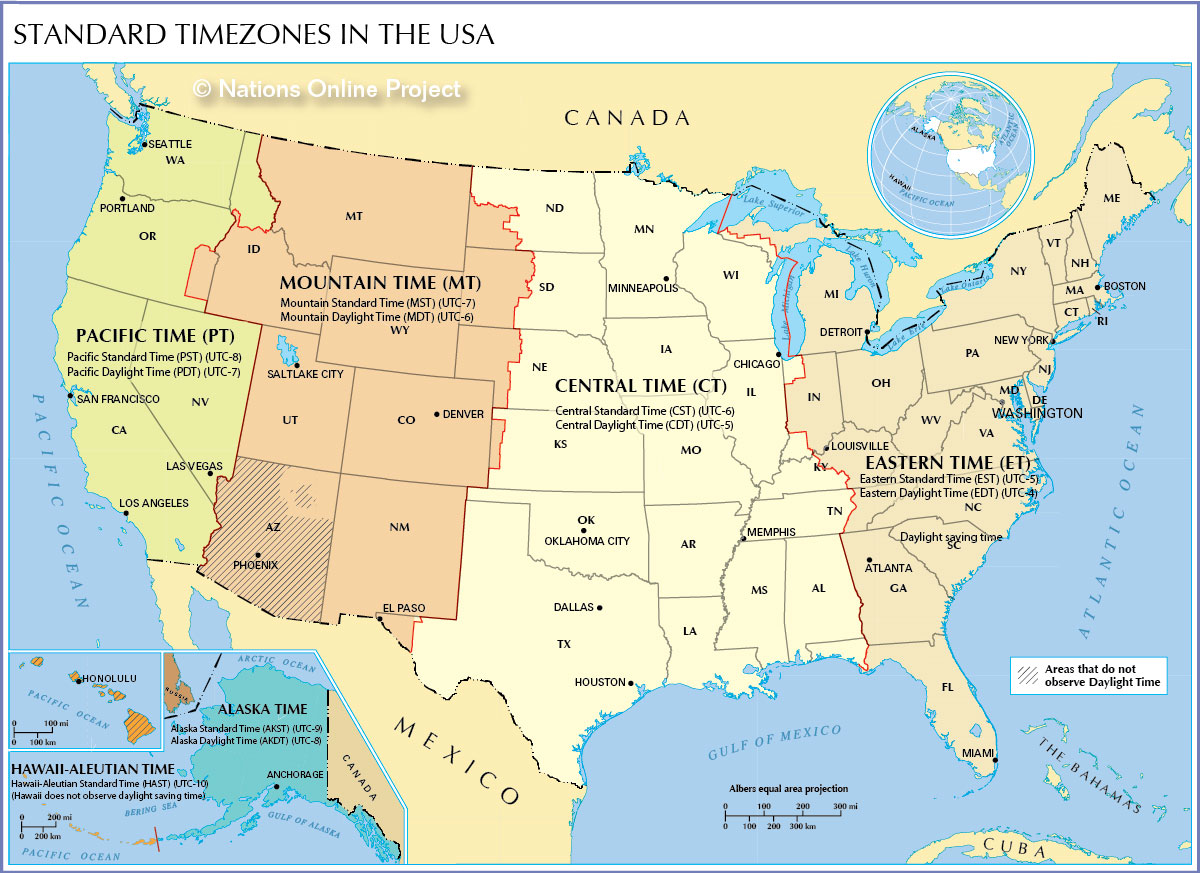
Illinois operates entirely within the Central Time Zone, placing Chicago and its suburbs six hours behind Coordinated Universal Time during Standard Time and five hours behind during Daylight Saving Time. This geographic placement makes the state a critical node in the North American time structure, influencing everything from national broadcast schedules to the operational tempo of global financial markets. Understanding the nuances of this single, unified time zone is essential for businesses coordinating with partners across the continent and for travelers managing connections through O'Hare and Midway airports.
The concept of standardized time zones is a relatively modern invention, born from the chaos of 19th-century rail travel. Before time zones, cities relied on local solar time, meaning a clock in Chicago would show a different noon than a clock in New York, creating significant confusion for train schedules. The need for precise coordination led to the adoption of four standard time zones across the United States in 1883. Illinois, situated squarely in the geographic center of the continental United States, was designated as part of the Central Time Zone, a designation that has remained consistent to foster a unified commercial and social environment.
Central Standard Time (CST) is the official time designation for Illinois from the first Sunday in November until the second Sunday in March. During this period, the sun rises later and sets earlier, resulting in the short, gray days characteristic of Midwestern winters. Conversely, Daylight Saving Time (CDT) begins on the second Sunday in March and ends on the first Sunday in November, shifting an hour of daylight from the morning to the evening. This biannual transition is not merely a change on calendars; it prompts widespread discussion about public health, energy consumption, and the economic costs associated with the time shift.
For the business community, the Illinois time zone is a strategic asset. Chicago, the third-largest city in the United States, serves as a major financial and transportation hub, and its adherence to Central Time creates a predictable window for conducting business with key partners. When Chicago markets open, they align with the late morning in New York, allowing for a cohesive domestic trading session. Furthermore, the city's position allows for productive workdays that overlap with both the Asian markets in the early morning and European markets in the afternoon.
* **Financial Services:** Major exchanges like the Chicago Mercantile Exchange operate on Central Time, setting global benchmarks for interest rates and currency values.
* **Broadcasting:** National television and radio networks operate on a Central Time-based schedule, making Chicago the de facto headquarters for much of the country's media production.
* **Logistics and Distribution:** The Illinois Central Time location makes it a natural distribution center for goods moving between the coasts, with warehouses and logistics firms relying on precise time-slot management.
Travelers transiting through Illinois quickly become aware of the time zone's practical implications. O'Hare International Airport, one of the busiest in the world, uses Central Time to coordinate the arrivals and departures of thousands of flights daily. For passengers connecting from the West Coast, the time difference means arriving in Chicago with a full day of wakefulness ahead, whereas those arriving from the East Coast may find the earlier sunset in Illinois disorienting during the winter months. Understanding the local time is crucial for managing jet lag and ensuring timely connections.
The implementation of Daylight Saving Time in Illinois, like in most states, is not without controversy. While the original intent was to conserve energy by extending evening daylight, studies on the actual energy savings are mixed. Critics argue that the shift disrupts sleep patterns, leading to a measurable increase in workplace accidents and heart attacks in the days following the transition. As a result, the debate over whether to make DST permanent or to adopt year-round Standard Time continues to be a topic of legislative discussion across the country, though Illinois currently observes the traditional clock-changing schedule.
Technology has largely smoothed the transition between time zones and the biannual changes, but it has not eliminated the challenges. Computer systems, scheduling software, and digital calendars automatically adjust for the shift, but human oversight is still required to ensure accuracy. For instance, a meeting scheduled for 9:00 a.m. in Illinois during Standard Time must be clearly labeled as CST for participants in Eastern Time, lest they join an hour early. In a globalized economy where remote work and international collaboration are the norm, a precise understanding of the Illinois time zone is a fundamental professional competency.
Looking ahead, the infrastructure of time in Illinois remains stable. The state will continue to operate on Central Time, serving as the reliable temporal anchor for the Central United States. As debates about the future of Daylight Saving Time unfold at the state and federal levels, residents and businesses must stay informed about the prevailing laws. For now, the clocks across the Prairie State tick in unison with a broader continental rhythm, a silent conductor ensuring the smooth operation of a vast and interconnected region.
Related Post

Illinois Time Zone: America’s Crossroads of Time and Timekeeping