New Orleans Time: How the Crescent City’s Clock Defines Culture, Commerce, and Community
New Orleans Time: How the Crescent City’s Clock Defines Culture, Commerce, and Community
New Orleans Time runs on a unique rhythm, blending Central Standard Time with a cultural looseness that bends hours into hazy, hopeful, and sometimes chaotic intervals. From the moment the sun rises over the Mississippi to the late-night echoes of music in the French Quarter, the city’s relationship with time shapes business hours, festival schedules, transportation, and the very way neighbors greet one another. This article explores how New Orleans Time operates on both clocks and calendars, and why understanding it is essential for residents, visitors, and anyone doing business in the Gulf South.
To an outsider, New Orleans Time can feel elastic. Meetings scheduled for 10 a.m. may stretch into noon; parades planned for Sunday afternoon may not roll until early evening if weather or logistics demand it. This flexibility is not disorganization but a reflection of a culture that prioritizes people and experience over rigid adherence to the clock. At the same time, the city operates on the same Central Time Zone as much of the central United States, aligning with national broadcast schedules, stock markets, and corporate headquarters in Chicago, Dallas, and New York. The tension between laid-back local custom and big-time coordination creates a distinctive tempo that defines daily life.
One of the most visible expressions of New Orleans Time is in the city’s festivals. Mardi Gras, Jazz Fest, and Satchmo SummerFest do not follow the same scheduling logic as ordinary events. Organizers build around weather patterns, religious calendars, and the natural flow of street activity rather than the tight precision of corporate conference planning. Organizers coordinate road closures, vendor placement, and performer arrivals using a shared sense of when things should happen, even if the clock says otherwise.
For example, the Krewe of Bacchus parade may roll out at 8 p.m., but riders and support crews begin assembling in the early afternoon. Jazz musicians know that while the festival schedule lists a set for 3 p.m., the actual sound check and warm-up might not wrap until close to showtime. This approach allows for improvisation, a hallmark of the city’s music and cuisine, while keeping large crowds moving in a generally orderly fashion. The city’s convention bureau and tourism offices work year-round to communicate timing expectations, but they also build in buffers for the beloved New Orleans flexibility.
In the business world, New Orleans Time can be both a challenge and a competitive advantage. Companies in sectors such as energy, ports, and film production operate on tightly coordinated schedules tied to global markets and shipping deadlines. The Port of New Orleans and the Mississippi River system run on precise timing, with barge traffic, cargo handling, and customs clearances all dependent on synchronized operations. Similarly, film and television productions rely on strict call times and continuity, even when the social atmosphere around the set feels more relaxed.
Yet in sectors such as hospitality, restaurants, and small retail, the relationship with time is more fluid. A restaurant owner in the Marigny neighborhood might not worry about seating the last party of the night at 9 p.m. if regulars are lingering over coffee and conversation. “We’re not running a factory,” says a local café manager. “We’re running a place where people come to feel at home. If that means someone stays an extra hour over a cup of Café du Monde, that’s part of the job.” This mindset can frustrate visitors expecting the brisk efficiency of a big-city chain, but it also builds loyalty and a sense of place.
Transportation offers another lens on New Orleans Time. The streetcar lines, buses, and rideshares operate on published schedules, but delays due to traffic, streetcars stalled at notoriously tight intersections, or impromptu parades are common enough that locals often build in a half hour to an hour of cushion for trips across town. Regional airports coordinate with national carriers, yet weather in the Gulf of Mexico can push flight schedules off by hours. Ride-hailing drivers speak of “French Quarter time” and “business district time” as distinct rhythms, reflecting where the rides are needed most and when the crowds are on the move.
Even digital life follows a particular New Orleans cadence. Social media feeds light up with last-minute changes to parade routes, pop-up concerts, and after-parties. A krewe might post a cryptic update about “something special at midnight” hours before the actual event, creating a buzz that rewards those paying attention in the moment rather than those planning days ahead. This real-time, adaptive communication style fits a city where surprises—both planned and unplanned—are part of the charm.
Residents and newcomers alike must learn to read New Orleans Time as much as the time on their watches. Longtime residents develop a sense of when certain neighborhoods will be busy, when trash collection might run late after a holiday, and when city services will return to normal after a big event. They know that “parade day” can mean traffic chaos in the morning and peaceful afternoon walks along St. Charles Avenue, all compressed into a single date on the calendar. For newcomers, adjusting to this blend of structure and spontaneity can take time, but many say it is among the city’s most endearing traits.
Efforts to modernize scheduling and improve logistics have brought some standardization without erasing local character. The Regional Transit Authority uses real-time tracking on buses and streetcars, giving riders better information about arrivals. City departments have adopted more precise permitting processes for events, helping to coordinate street use and reduce conflicts. Still, the heart of New Orleans Time remains its willingness to let the moment decide, rather than the calendar.
In neighborhoods like the Warehouse District and the Arts District, galleries, studios, and music venues follow a schedule, but that schedule often bends around the creative process. An artist might open a studio show at 6 p.m., but the space could be filled with friends and collaborators long before, sharing wine and ideas. Musicians in the French Quarter trade off sets late into the night, responding to crowd energy more than a printed program. This informal collaboration is part of what keeps the city’s cultural output fresh and surprising.
Tour operators balance the needs of visitors with the realities of New Orleans Time. Walking tours may start promptly at 10 a.m., but guides often allow time to linger in parks, sample beignets, or point out historic details that do not appear on the script. Culinary tours build in pauses for long meals, recognizing that food is both fuel and experience. The goal is not to mimic the precision of a theme park but to offer a version of the city that feels authentic, even if it does not keep to a strict timeline.
Underneath these patterns lies a web of shared expectations and unspoken rules. Locals know that “C’est ça la vie à La Nouvelle Orléans” can explain a lot, but they also understand that city functions, utility services, and government offices keep closer to standard business hours. The balance between grace and governance allows the city to function while preserving its soul. For anyone engaging with New Orleans, the lesson is clear: pay attention to the clock, but also pay attention to the mood of the moment. In a place where history, music, and the slow turn of the river meet, time is less a constraint and more a partner in the ongoing story of the city.
Related Post
Mastering the Crescent City Clock: A Definitive Guide to New Orleans Time Zone Nuances
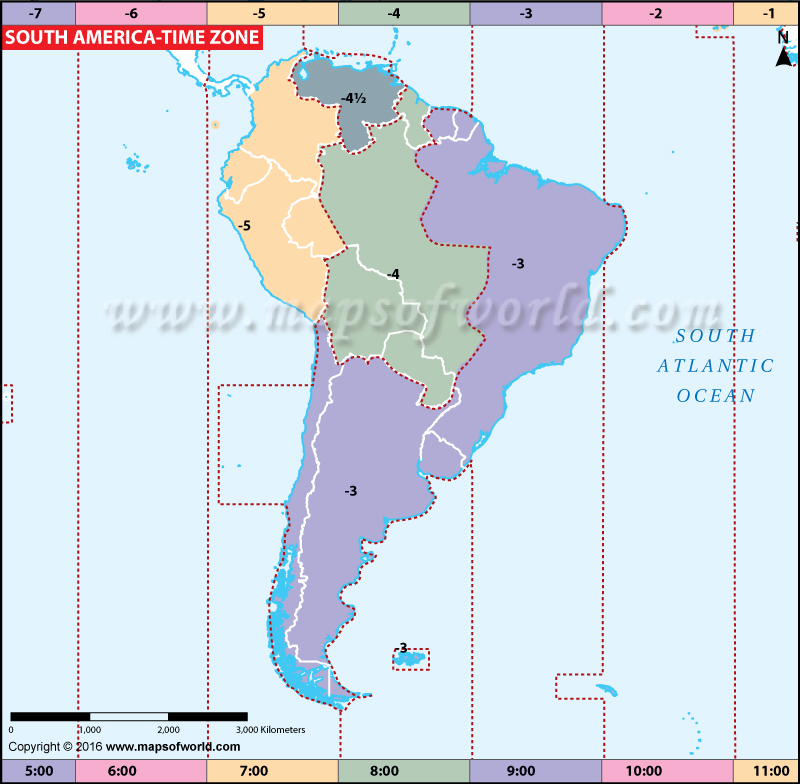
Time Zones of the South: How New Orleans KEEPS the Rhythm of Its Own Pace

Navigating New Orleans: How the Crescent City’s Clocks Keep Time Across the Quarter

New Orleans Time: Where Every Second Echoes Culture, Resilience, and Rhythm