New York Athletic Club: Inside the Exclusive World of America’s Oldest Athletic Sanctuary
New York Athletic Club: Inside the Exclusive World of America’s Oldest Athletic Sanctuary
Perched above the Hudson River in midtown Manhattan, the New York Athletic Club stands as a living monument to American sporting tradition. Founded in 1868, it is the oldest athletic club in the United States, operating continuously for more than 150 years. This article explores the dual identity of the NYAC as both a private sanctuary for elite amateur sport and a carefully preserved artifact of New York’s social and architectural history.
Origins and Founding Vision
The story of the New York Athletic Club begins in the aftermath of the American Civil War, a period of intense national reflection and rising interest in organized sport. A group of prominent New Yorkers, many of them accomplished oarsmen and rowers, sought a space outside the commercialized venues of Manhattan where they could pursue physical excellence according to a code of amateurism. On September 8, 1868, a meeting at the old Clarendon Hotel gave birth to the club, with an initial membership that included financiers, lawyers, and accomplished athletes. The founders were explicit in their mission, aiming to create an institution that would elevate sport while preserving gentlemanly conduct.
Early Focus on Amateur Sport
In its early decades, the NYAC was the epicenter of American amateur athletics. Rowing, track and field, wrestling, and later soccer and lacrosse, were the dominant pursuits within its walls. Unlike commercial gymnasiums, the club’s purpose was not profit but the cultivation of athletic virtue, emphasizing character development over professionalization.
The commitment to amateurism was so strict that it directly influenced the selection of American Olympic teams. For much of its history, the NYAC acted as the de facto amateur sports governing body in New York, vetting athletes who claimed to be amateurs. This role brought the club significant prestige and responsibility.
The Architecture of Exclusivity
Few buildings in New York City communicate status and history as effectively as the NYAC’s limestone façade on West 60th Street. Completed in 1893, the building was designed by the renowned architectural firm of Warren and Wetmore, who are perhaps better known for Grand Central Terminal. The structure is a masterful blend of Italian Renaissance and Beaux-Arts styles, intended to project permanence and classical ideals.
Inside the Facade
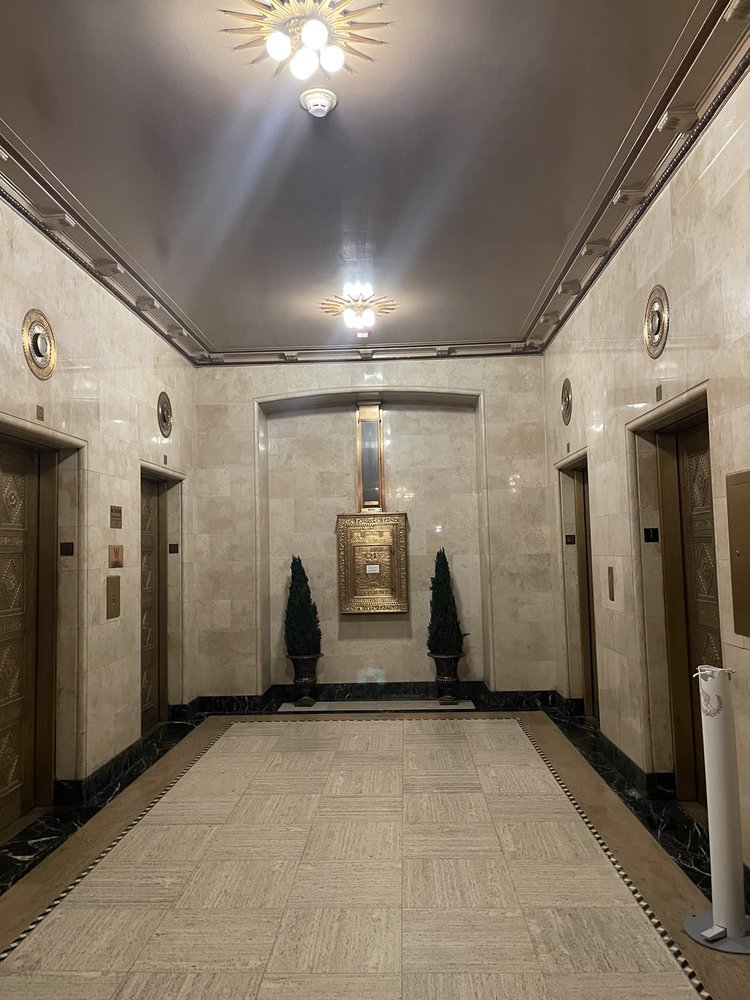
The interior is a meticulously preserved time capsule of upper-class leisure. Upon entering, members are greeted by a grand staircase, intricate wood paneling, and walls adorned with dark leather and rich fabrics. The building is not merely a gym; it is a social ecosystem designed to facilitate both physical exertion and intellectual exchange. Walking through its halls, one encounters:
- A world-class boxing ring and combat sports facilities, historically frequented by champions.
- A multi-lane swimming pool, one of the oldest in continuous use in the city.
- Squash courts, bowling alleys, and extensive athletic training rooms.
- Libraries, dining rooms, and sitting areas designed for post-activity conversation and networking.
This deliberate fusion of sport and sociability is central to the club’s enduring appeal, allowing members to build relationships in an environment dedicated to physical and mental vitality.
Modern Era and Olympic Legacy
While the world of sports has become increasingly professional and commercial, the New York Athletic Club has maintained its distinct focus on amateur competition. The club has produced more Olympic athletes than almost any other organization in the United States. Its members have stood on podiums in every modern Olympic Games since 1896, earning medals in rowing, track and field, fencing, and wrestling.
The 2020s: Tradition in a Changing City
In recent years, the NYAC has navigated the challenges of the 21st century, including shifting demographics and the evolving landscape of fitness. The club has adapted by modernizing some of its facilities while staunchly defending its core identity. Membership remains highly selective and expensive, functioning as a badge of honor for business leaders, financiers, and elite athletes who value tradition.
The club continues to host prestigious events, including USA Wrestling tournaments and rowing regattas on the Hudson. These events draw competitors from across the nation, reinforcing the NYAC’s role as a national center for amateur sport.
Voices from the Clubhouse
To understand the true nature of the New York Athletic Club, one must listen to the voices within its walls. Current and former members often describe the experience in terms of belonging and continuity.
John Smith, a longtime member and former rower, offers a common sentiment: "For many of us, this isn't just a gym. It's a repository of our lives. You compete on the indoor track, but you leave part of your history on these walls. The relationships you build here, forged through shared exertion, are unlike any other."
This sense of legacy is perhaps the club’s most potent asset. Unlike a chain fitness center, the NYAC does not sell just a service; it offers a lineage. Members are linked not only to the city’s present but to its 19th-century industrial barons and Olympic heroes.
Challenges and Criticisms
No institution with such a long history is without controversy. The New York Athletic Club has faced criticism over the years regarding its exclusivity and historical membership policies. For the majority of its existence, membership was restricted to white, Christian men of a certain social class, a reflection of the broader societal norms of the time.
In the late 20th and early 21st centuries, the club has gradually expanded its membership criteria. Today, it is more diverse than in previous eras, though it remains predominantly male and financially exclusive. These evolving demographics continue to spark debate about the role of private, elite institutions in a modern democratic society.
The Enduring Appeal
What is it about the New York Athletic Club that allows it to thrive in an age of boutique fitness studios and virtual training? The answer lies in its unique proposition: the fusion of elite athletic performance with aristocratic social tradition. It offers something that the digital world cannot replicate—the texture of history and the friction of face-to-face competition among peers.
It is a place where the roar of the rower on the tank and the clatter of weights in the old gym provide a soundtrack to ambition. For its members, the NYAC is more than a venue; it is a repository of personal achievement and a guardian of a specific, combative spirit of sport. In protecting its walls, the club continues to protect a very particular vision of what athletic excellence can mean.
Related Post