Nikki Catsouras: The Viral Car Crash Photo That Ignited A Digital Ethics Firestorm
Nikki Catsouras: The Viral Car Crash Photo That Ignited A Digital Ethics Firestorm
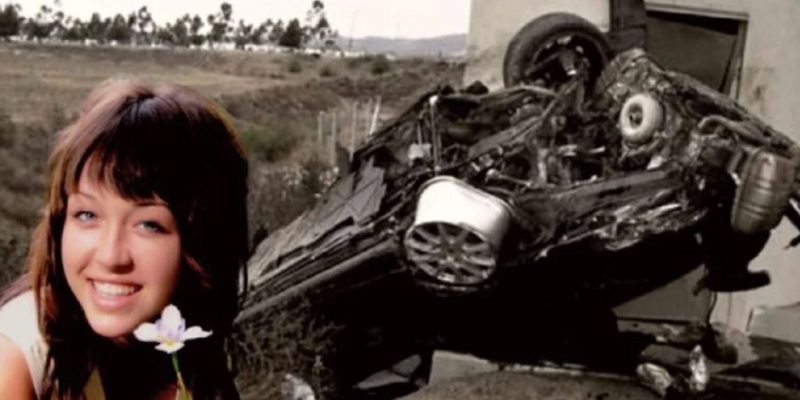
In 2006, a graphic photograph of a young woman deceased on a California highway began circulating online without consent, sparking a global debate about privacy, ethics, and the dark corners of the internet. The image, taken by California Highway Patrol officers at the scene of a fatal accident involving Nikki Catsouras, would become one of the most infamous examples of digital exploitation in history. This is the story of a family’s legal battle for dignity, the platform failures that enabled virality, and the lasting consequences of a single, uncontrolled image.
The factual origin of the controversy is stark and tragic. On October 31, 2006, 18-year-old Nikki Catsouras lost control of her father’s Porsche 911 on the 241 Toll Road in Orange County, California. The vehicle crashed, ejecting her from the car and resulting in her death at the scene. CHP officers and Sgt. Vince Becerra were among the first responders, and they took photographs of the scene for official documentation. These images, intended for evidence and investigation, would later be leaked and spread like wildfire across the nascent internet.
The dissemination of the photos followed a familiar and painful pattern of the early digital age. According to reporting from the *Los Angeles Times*, the images were initially obtained by car enthusiast forums, where they were met with shock and, disturbingly, ridicule. The photos quickly transcended these niche communities. Message boards like 4chan and imageboard sites became vectors, transforming the graphic visual into a viral phenomenon. For many, the experience was their first disturbing encounter with such unfiltered tragedy online, often encountered while searching for seemingly innocuous topics.
The Catsouras family was thrust into a nightmare. Instead of grieving in private, they found themselves confronting the public desensitization surrounding their daughter’s horrific death. The images were not only a violation of privacy but a constant, inescapable reminder of their loss. Christi Catsouras, Nikki’s mother, spoke publicly about the profound and lasting trauma, describing the photos as an unwanted public inheritance of their grief. The family’s struggle was not just emotional; it became a legal crusade against the dehumanizing spread of the images.
Determined to seek justice, the Catsouras family filed a lawsuit against the California Highway Patrol. Their central claim was that the release and subsequent viral spread of the photographs constituted a gross violation of privacy and inflicted severe emotional distress. The lawsuit painted a picture of institutional failure, alleging that the images were carelessly handled and stored, allowing them to be easily copied and distributed. They argued that the CHP had a duty to protect the dignity of the deceased and their family, a duty they believed was flagrantly ignored.
The legal battle was lengthy and set a significant precedent. In 2010, a jury awarded the Catsouras family a landmark $5 million in damages, a decision that affirmed the right to privacy extends even to deceased individuals in certain contexts. The verdict was a rare moment of accountability in the largely unregulated digital frontier. However, the ruling also highlighted the staggering difficulty of controlling information once it is released online. By the time the lawsuit concluded, the images had been downloaded thousands of times and were accessible through countless anonymous accounts, rendering the financial award a form of symbolic restitution rather than a true reversal of the harm.
The Catsouras case became a catalyst for broader conversations and changes in how law enforcement and digital platforms handle sensitive content. It forced a reckoning with the ethical responsibilities of those who create and distribute such imagery. Legal scholar and author Theresa Payton noted the case's significance, stating that it "really opened the eyes of law enforcement and the public to the fact that these digital images have a life of their own, and once they're out, they're out forever." The ruling served as a warning to law enforcement agencies about the necessity of stringent protocols for handling and securing digital evidence.
Tech companies, too, faced increased scrutiny. While the internet in 2006 was largely a Wild West, the Catsouras images exposed the urgent need for content moderation policies and rapid removal mechanisms. The incident predated today’s complex content moderation systems, but it served as a brutal early lesson. It highlighted the tension between free expression and the prevention of harm, a dilemma that continues to plague social media platforms. The photo became a test case for the internet’s capacity for cruelty and its failure of empathy.
The legacy of Nikki Catsouras extends far beyond a single lawsuit. Her story is a cornerstone case in digital ethics curricula, used to illustrate the real-world consequences of online behavior and the importance of consent. It is a grim reminder of the human cost behind viral moments and the erosion of privacy in the digital age. The image remains a chilling symbol of a time when the line between private tragedy and public spectacle blurred with a single click. The family’s pursuit of justice, while providing a measure of accountability, could never fully reclaim the image or the pain it caused. Nikki Catsouras’s posthumous influence is a powerful and sobering testament to the enduring impact of one photograph in a world that was still learning how to navigate its own darkness.
Related Post
The Tragic Story of Nikki Catsouras and the Porsche That Changed Internet History Forever

Nikki Catsouras Death Photos Unraveled: A Cautionary Tale of the Dark Side of the Internet

Nikki Catsouras: The Unprecedented Case of a Tragic Train Crash
UNSEEN REALITY: THE NIKKI CATSOURAS PHOTOS THAT ROCKED THE NATION