NJ Real ID: Your Essential Guide to Compliance, Deadlines, and Getting the Card
NJ Real ID: Your Essential Guide to Compliance, Deadlines, and Getting the Card
New Jersey drivers are rapidly approaching critical Real ID compliance deadlines that will change how they access federal facilities and domestic flights. This guide explains what the Real ID Act requires, how to prepare your documents, and what steps you need to take to avoid travel disruptions.
The federal Real ID Act of 2005 established minimum security standards for state-issued driver’s licenses and identification cards, creating a uniform standard that affects every state. For New Jersey residents, compliance became mandatory starting May 7, 2025, when the Transportation Security Administration began enforcing these requirements for domestic air travel. Without a compliant Real ID, passengers may face additional screening or be denied boarding on flights within the United States, creating significant inconvenience for millions of travelers.
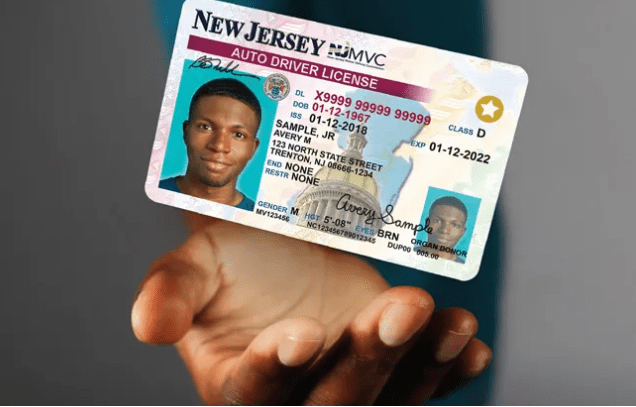
The rollout of Real ID in New Jersey has been a multi-year process managed by the New Jersey Motor Vehicle Commission, requiring residents to visit MVC offices in person to submit specific documentation and obtain the distinctive gold-bordered card. Understanding the requirements, gathering the necessary paperwork, and scheduling an appointment can help drivers navigate this transition smoothly while avoiding the last-minute rush that has characterized compliance efforts in other states.
Understanding the Real ID Act and Its Purpose
The Real ID Act emerged from recommendations by the 9/11 Commission, which identified weaknesses in state-issued identification that terrorists exploited to board aircraft and access secure areas. Passed by Congress in 2005, the legislation established enhanced security standards for identification documents issued by state motor vehicle agencies. While implementation has been gradual, the federal requirements have steadily tightened, with full enforcement now affecting air travel, nuclear power plants, and federal buildings.
Under these standards, applicants must provide specific documentation to verify their identity, residency, and social security number before receiving a Real ID-compliant card. The enhanced security features include specific paper stock, embedded security threads, and machine-readable technology that makes counterfeiting significantly more difficult. States that comply with these standards receive federal approval, allowing their identification to be accepted for federal purposes, while non-compliant states risk having their residents questioned at federal checkpoints.
The phased implementation has given states years to upgrade their systems and educate residents about the changes. New Jersey, like many states, has operated a dual-system during the transition period, issuing both standard licenses and Real ID-compliant cards. This approach allows residents to choose compliance while maintaining access to traditional identification for purposes that do not require Real ID status.
Document Requirements and Preparation
Successfully obtaining a Real ID in New Jersey requires presenting specific original documents or certified copies that verify three categories: identity, residency, and social security number. The MVC provides detailed checklists on their website, but understanding acceptable alternatives can prevent multiple trips to the office. Planning ahead for document gathering is essential, as missing or incorrect paperwork remains the primary cause of delays in the application process.
For identity verification, applicants must present one primary document or a combination that proves their legal name and date of birth. Acceptable documents include:
- A certified birth certificate issued by a U.S. state or territory
- An unexpired U.S. passport or passport card
- A Certificate of Naturalization if the applicant is a naturalized citizen
Residency verification requires documents that establish both identity and New Jersey address, with at least two documents from different categories typically required. Examples include:
- A current utility bill showing the applicant’s name and address
- A bank statement with the same information
- A lease agreement or mortgage statement
- A government benefits statement with address information
Social Security Number verification requires presenting the original document or a certified copy. Acceptable documents include:
- The original Social Security Card
- A W-2 form showing the full SSN for the current year
- A SSA-1099 form showing the full SSN for the current year
Deadlines and Enforcement Timeline
The enforcement timeline for Real ID compliance has been phased to allow gradual implementation while providing clarity for travelers. The original federal deadline of May 7, 2025, applies to commercial airline passengers, with domestic flights requiring compliant identification from this date forward. Passengers with non-compliant identification may face additional screening procedures or denial of boarding, creating significant disruptions to travel plans.
For residents who have not yet obtained a Real ID, there are still opportunities to make the transition before international travel requirements take effect. The enhanced security features affect domestic travel primarily, but many countries now require Real ID-compliant documentation for visa-free entry under the Western Hemisphere Travel Initiative. Understanding these interconnected requirements helps travelers plan appropriately for both domestic and international journeys.
The New Jersey MVC has extended appointment availability and implemented additional protocols to manage the increased demand for compliant identification. Scheduling online in advance remains the most effective strategy for avoiding wait times, particularly in urban centers where appointment slots have been limited. Travelers planning trips after May 7 should prioritize obtaining their Real ID as soon as possible to avoid last-minute complications.
Application Process and What to Expect
Applying for a Real ID in New Jersey involves several steps that differ from obtaining a standard license, beginning with an in-person visit to an MVC agency. The MVC has designated specific locations for Real ID applications, with detailed information available on their website regarding office hours and appointment availability. Scheduling an appointment online can significantly reduce wait times, as walk-ins may be directed to return at a later date when appointments are available.
During the appointment, applicants will complete Form BA-135, the application for a Real ID, and submit all required documentation for verification. After document verification, applicants will have their photograph taken and pay the applicable fee, currently $6 for a five-year Real ID or $11 for a ten-year card. The MVC issues temporary paper documentation that remains valid for 60 days while the permanent card is processed and mailed to the applicant’s registered address.
The enhanced security features of the Real ID include specific design elements that distinguish it from standard identification. These include a gold-bordered star prominently displayed on the card, specialized security laminates, and microprinting that is difficult to reproduce. These features not only enhance security but also allow law enforcement and federal agents to quickly identify compliant identification during routine checks.
Common Challenges and Solutions
Many New Jersey residents encounter challenges during the Real ID application process, particularly regarding name changes or documentation issues. Individuals who have recently married, divorced, or changed their legal name must provide additional documentation verifying the name change, such as a marriage certificate or court order. Planning for these additional requirements can prevent delays and multiple visits to the MVC office.
Some applicants discover that their current documentation lacks the required addresses or contains discrepancies that must be resolved before approval. For example, students attending out-of-state universities may find that their school identification does not meet New Jersey’s strict residency requirements. In these cases, supplementary documentation such as tax returns, lease agreements, or employment records may be necessary to establish compliant residency.
The COVID-19 pandemic created significant backlogs in processing times, which continue to affect some applicants. While the MVC has worked to clear these backlogs, travelers with imminent flight dates should apply as early as possible and consider expedited services if available. Checking the MVC website for current processing times and appointment availability helps travelers make informed decisions about when to apply.
Impact on Daily Life and Future Considerations
The implementation of Real ID affects more than just air travel, as federal facilities, nuclear power plants, and military bases now require compliant identification for entry. While this change primarily impacts travelers, it also affects residents who regularly access federal buildings for work or services. Understanding these requirements helps individuals plan for visits to Veterans Affairs offices, Social Security Administration locations, and other federal facilities that require enhanced identification.
Looking ahead, the continued evolution of identification technology may introduce additional changes to how residents interact with government-issued identification. Biometric features, digital identification options, and enhanced security measures will likely shape the next generation of identification requirements. Staying informed about these developments helps residents prepare for future changes while maintaining compliant identification.
The transition to Real ID compliant identification represents a significant change in how Americans verify their identity for federal purposes. By understanding the requirements, preparing necessary documentation, and applying well in advance of travel dates, New Jersey residents can navigate this transition smoothly while maintaining access to essential services and travel opportunities.
Related Post