Orchard Park NY: A Comprehensive Look At The Town’s Evolution, Economy, And Community Spirit
Orchard Park NY: A Comprehensive Look At The Town’s Evolution, Economy, And Community Spirit
Orchard Park, a suburb directly south of Buffalo, has transformed from a collection of farms into a stable residential community with a distinct identity. This article examines the town’s economic shifts, educational infrastructure, transportation assets, and cultural anchors that define daily life for its residents. The reporting draws on municipal data, school district records, and interviews to present a clear portrait of Orchard Park’s current landscape.
Located in Erie County, Orchard Park operates as a town with a defined governing structure and a balance of residential, commercial, and institutional land uses. Its proximity to Buffalo, combined with a relatively low tax burden compared with inner-ring suburbs, has sustained steady demand in the housing market. The following sections break down the forces shaping Orchard Park, from its industrial corridors to its neighborhood schools and volunteer fire companies.
The town’s economic base reflects both legacy industry and ongoing adaptation. Orchard Park is home to a notable concentration of manufacturing and industrial facilities, with major employers in the automotive and metal fabrication sectors. These plants and warehouses line routes such as South Park Avenue and Milestrip Road, providing a significant number of skilled labor positions. Local officials note that maintaining these industrial parcels as competitive, well‑maintained sites is a continual priority.
- Light industrial and logistics activity remains a cornerstone of local tax revenues.
- Small service businesses, retail strips, and professional offices serve both town residents and neighboring communities.
- Commercial corridors have adapted over time, replacing older retail sites with more efficient uses such as big‑box stores and regional services.
- Seasonal hiring and production cycles in key plants create ripple effects for nearby suppliers and service providers.
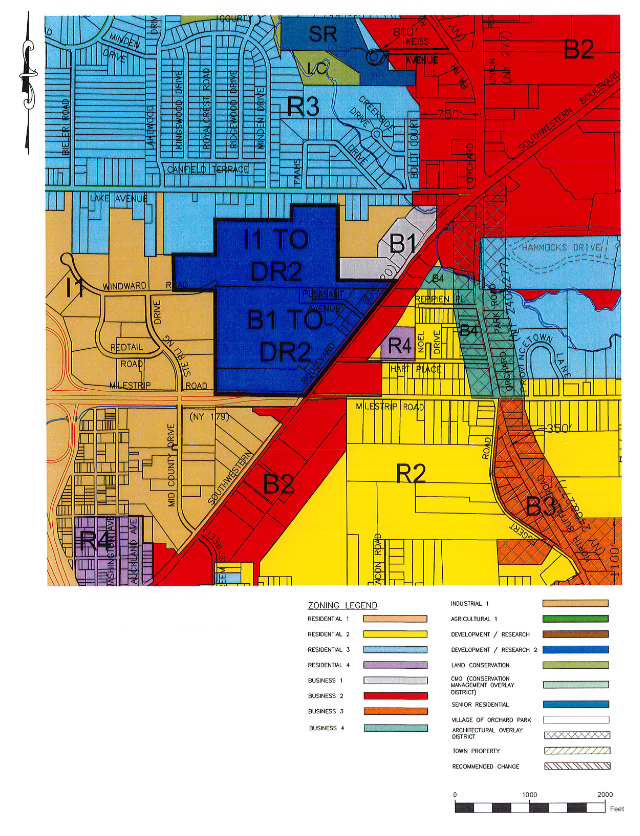
In recent years, the town has pursued strategies to streamline permitting and infrastructure support for new industrial projects. Updated zoning provisions and road improvements aim to keep Orchard Park competitive without compromising residential neighborhoods. The balance between industrial growth and quality of life considerations continues to shape planning discussions.
Orchard Park is served by the Orchard Park Central School District, which operates an elementary school, a middle school, and Orchard Park High School. The district has periodically undertaken facility upgrades and program reviews to align with enrollment trends and state standards. Academic performance data generally show the district performing near or above county averages on standardized assessments, though disparities persist among subgroups.
The high school offers a broad range of courses, including Advanced Placement classes and career and technical education pathways in fields such as engineering, business, and health sciences. Extracurricular options span athletics, music, debate, and student government, reflecting a commitment to a well‑rounded student experience. Parents and educators often highlight the size of the campus and the variety of opportunities as key assets.
- Elementary programs emphasize foundational literacy and numeracy, with added supports for English language learners.
- Middle school scheduling balances core academics with exploratory courses to help students identify interests.
- High school advisory structures and college counseling aim to prepare graduates for both higher education and the workforce.
- Community partnerships with local businesses provide internships and work‑based learning experiences.
Infrastructure plays a crucial role in connecting Orchard Park to regional destinations. The town is intersected by several major routes, including the New York State Thruway (Interstate 90), which provides access to Buffalo and beyond. Public transportation options include bus service linking to Buffalo and surrounding towns, though frequency varies by route and time of day.
Utilities and broadband are generally reliable, supported by investments from both private providers and municipal entities. Local officials have engaged in discussions about improving sidewalks, bike lanes, and pedestrian crossings to enhance safety and encourage nonautomotive travel. These efforts are part of a broader movement to make Orchard Park more accessible and walkable without disrupting its suburban character.
Community life in Orchard Park is anchored by a range of voluntary organizations, faith communities, and recreational facilities. The Orchard Park Volunteer Fire Company and other emergency service groups conduct regular training and public outreach events, reinforcing a sense of shared responsibility. Seasonal festivals, school performances, and town hall meetings offer spaces for residents to connect and deliberate local issues.
The town’s parks and recreational amenities provide outlets for active lifestyles and informal gatherings. Athletic fields, playgrounds, and walking paths are maintained through a combination of town funds and nonprofit support. Residents frequently point to these spaces as reasons for choosing to live in Orchard Park, noting the balance they strike between everyday convenience and open space.
Looking ahead, Orchard Park faces typical suburban challenges, including aging infrastructure, housing affordability, and the need to keep schools competitive. The town’s comprehensive plan emphasizes careful growth management, preservation of industrial tax bases, and thoughtful design standards for new development. Elected officials and community members continue to discuss how to adapt the town’s policies to demographic and economic shifts.
Data on employment, housing permits, and school enrollment will be closely watched as indicators of future trajectory. As Orchard Park fine‑tunes its mix of industry, services, and residential offerings, local leaders will need to engage residents in transparent planning processes. The town’s capacity to respond to change while preserving its core identity will likely define its story for years to come.
Related Post
Weather Orchard Park Ny: Your Ultimate Guide To Forecasts, Climate Trends, And Local Impacts
Orchard Park, NY Zip Codes Your Guide
Zip Code Orchard Park Ny: Uncovering The Hidden Data And Community Insights