Oregon Road Weather Conditions: Mastering the Elements for Safe Travel Across the Pacific Northwest
Oregon Road Weather Conditions: Mastering the Elements for Safe Travel Across the Pacific Northwest
The weather in Oregon presents a formidable challenge to drivers navigating its diverse landscape, from the coastal cliffs of Highway 101 to the mountain passes of I-5. Sudden transitions from torrential rain to freezing fog define the driving experience for many in the state, creating conditions that demand constant vigilance. This article examines the specific weather hazards faced on Oregon’s roads, the infrastructure and protocols in place to manage them, and the data-driven strategies employed to ensure public safety.
Oregon’s geography is the primary architect of its notorious road weather patterns. The collision of moist Pacific air with the Cascade Range creates a sharp division in climate and driving conditions between the western and eastern parts of the state. Understanding this meteorological divide is essential for any traveler seeking to navigate the region safely.
The western side of the Cascades, encompassing Portland, the Willamette Valley, and the coast, is defined by a temperate but wet climate. The region experiences long, persistent periods of rainfall, particularly during the atmospheric river events that are a hallmark of the Pacific Northwest winter. These atmospheric rivers are narrow corridors of concentrated moisture in the atmosphere that can dump several inches of rain in a matter of hours.
This deluge leads to the most common weather-related hazard on Oregon roads: flooding. Roadways, particularly low-lying areas and those near rivers, can become submerged with alarming speed. The Oregon Department of Transportation (ODOT) reports that hydroplaning and reduced visibility are direct consequences of these downpours, creating treacherous driving dynamics even for experienced motorists. The constant battle against water accumulation means that drainage systems and road elevation are critical engineering considerations in this part of the state.
In the mountainous regions, the weather shifts from wet to dangerously cold. As precipitation falls as snow at higher elevations, it creates a different set of challenges. The combination of snowfall, freezing rain, and fluctuating temperatures leads to the formation of black ice, an almost invisible layer of ice that coats roadways, particularly on bridges and overpasses. Unlike standing water, black ice offers virtually no traction, making vehicle control nearly impossible.
The eastern side of the state presents a stark contrast. Characterized by a high desert climate, the region is prone to sudden and severe winter storms. While snowfall is a regular occurrence, the infrastructure and driver experience in handling it can vary significantly. The hazards here are not just the snow itself, but the blinding snow squalls and whiteouts that can reduce visibility to near zero. These conditions create a high-risk environment for collisions, as vehicles can become stranded or lose control on unexpectedly slick roads.
ODOT operates a multi-faceted system to monitor and respond to these varied conditions. This system is a blend of technology, personnel, and public communication, all designed to mitigate the risks posed by the elements.
A key component of this system is the deployment of weather monitoring stations and road sensors. These devices provide real-time data on pavement temperature, humidity, wind speed, and precipitation type. This data is crucial for making rapid decisions regarding road treatment.
When hazardous conditions are identified, ODOT employs a range of response tactics. These include:
* **Pre-treating Roads:** Applying brine or salt to roads before a storm hits to prevent ice from bonding to the pavement.
* **Active De-icing:** Spreading sand, salt, or a combination of chemicals during and after a storm to improve traction and melt ice.
* **Targeted Plowing:** Using snowplows to clear snow and ice from key routes, often prioritizing highways and emergency corridors.
* **Dynamic Messaging Signs:** Updating electronic roadside signs to warn drivers of current conditions, such as "Chain Controls in Effect" or "Accident Ahead."
The human element remains a critical factor in road safety, regardless of technological advancements. Law enforcement and emergency services play a vital role in enforcing speed limits during adverse weather and assisting stranded motorists. Sergeant Mark Matthews of the Oregon State Police emphasizes the importance of driver responsibility, stating, "Our presence is a deterrent, but the reality is that we cannot be everywhere at once. The choices drivers make in bad weather—like slowing down and increasing following distance—are ultimately what prevent crashes."
These choices are directly influenced by the flow of information to the public. ODOT’s partnerships with media outlets and the use of mobile apps ensure that drivers are aware of forecasts and road conditions before they hit the road. This proactive approach is a cornerstone of Oregon’s traffic safety strategy.
Looking ahead, Oregon continues to face the challenge of adapting to a changing climate. Weather patterns are becoming more extreme, with heavier rainfall events and more unpredictable snowstorms. This variability requires a more resilient and adaptable approach to road management.
Investments in technology, such as more sophisticated sensors and predictive analytics, are becoming increasingly important. These tools allow for a more proactive rather than reactive response to weather events. The state is also exploring new materials and techniques for road surfaces to improve durability and drainage in the face of intense rainfall.
The discourse around Oregon road weather conditions is evolving from simple hazard warnings to a comprehensive strategy of resilience. It is a continuous cycle of monitoring, responding, and learning. For the driver, this translates into a shared responsibility: to stay informed, to drive cautiously, and to respect the power of Oregon’s diverse and demanding climate. The safety of the journey ultimately depends on the preparation and awareness of everyone who uses the road.
Related Post
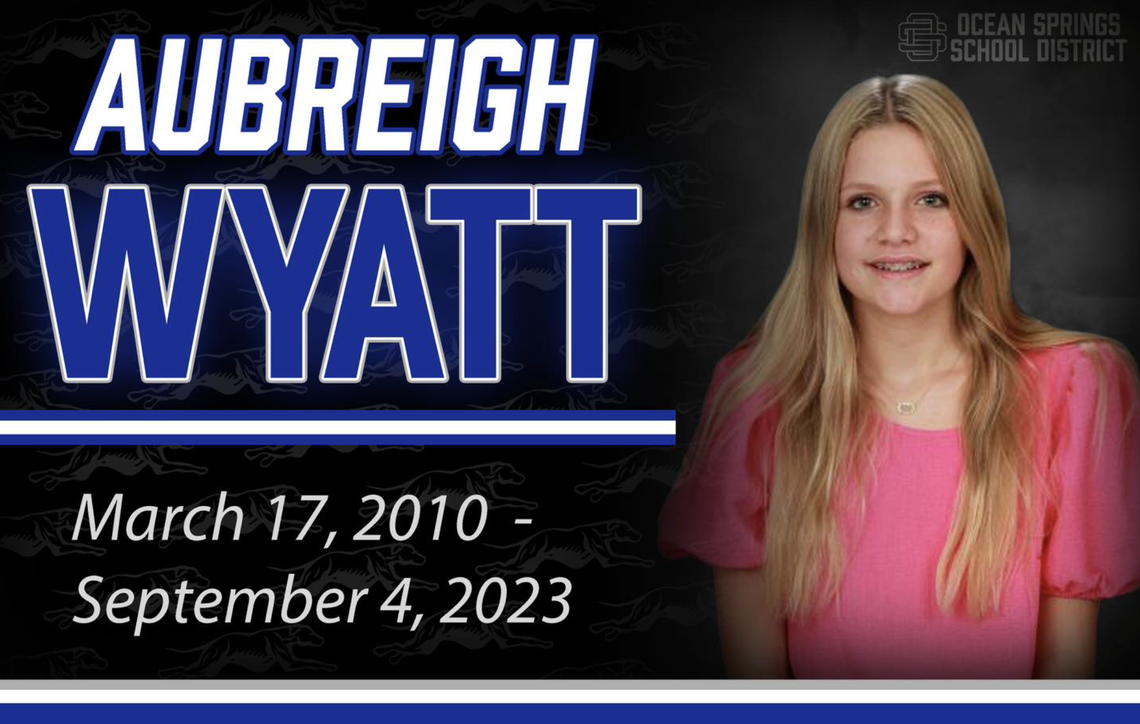
The Mysterious Letters of Aubreigh Wyatt: Unraveling the Mystery Behind a Century-Old Enigma
**Unlock Your Full Potential at UCLA Baseball Prospect Camp 2025: Your Guide To Success

Whopper Mania: Burger King's Best & A Daft Punk Twist!

Unveiling the Legacy of Martinsburg's Departed: A Comprehensive Look at Obituaries in Martinsburg WV