Otis Offender Search Michigan: How to Find Inmate Records Instantly in the MDOC System
Otis Offender Search Michigan: How to Find Inmate Records Instantly in the MDOC System
Searching for an incarcerated person in Michigan has never been faster, thanks to the state’s online Offender Tracking System (OTS), commonly referred to as OTIS. Managed by the Michigan Department of Corrections (MDOC), this public-facing database provides real-time information on inmates, including their custody status, facility location, and disciplinary history. Whether you are a concerned family member, a victim monitoring a case, or a researcher, OTIS offers a centralized, 24/7 resource for verified inmate data. This guide explains how the system works, what information it provides, and how to use it effectively while understanding its limits.
The OTIS portal is the digital gateway to Michigan’s offender records, maintained by the MDOC’s Office of Management and Technology Services. It pulls data from intake, sentencing, housing, and release processes across correctional facilities statewide. Understanding how the platform is structured helps users navigate results faster and avoid common search pitfalls. Below is a step-by-step walkthrough of how to look up an inmate, what each field means, and what to do if the information seems incomplete.
Accessing the OTIS Offender Search Portal
The official OTIS search interface is hosted on the MDOC website at mdocweb.state.mi.us. Users do not need to create an account to perform a basic lookup, but they must agree to the system’s terms of use, which restrict misuse of inmate data. The page is straightforward, with fields for name, date of birth, and offender number. Because names can be common or misspelled, using multiple search aids increases accuracy.
When entering a name, it is best to use it as it appears on legal documents, including middle initials. The system allows partial matches, so entering only a last name can return large result sets, especially in urban counties. If the inmate was sentenced as a juvenile or under an alias, the record might appear under a different spelling or date of birth. In those cases, cross-checking with court documents or a prisoner ID number helps narrow results quickly.
Understanding Search Results and Inmate Details
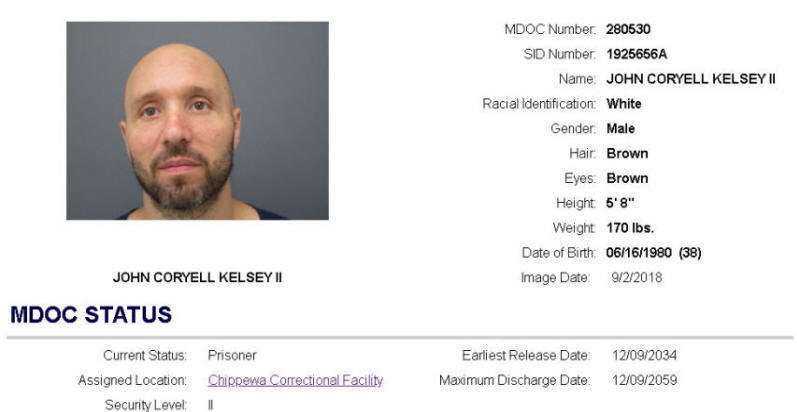
After submitting a query, OTIS displays a list of matching offenders, along with key identifiers such as MDOC number, date of birth, and current status. Selecting a record opens a detailed dashboard that includes housing information, expected release date, and offense history. Users can view the inmate’s security level, program participation, and whether they are eligible for parole or probation modification. This level of detail is intended for public safety and family awareness rather than legal advice.
Key data points shown in each inmate profile include:
- MDOC Offender Number: A unique identifier used across all state facilities.
- Current Facility: The prison or unit where the inmate is housed, if incarcerated.
- Status: Active custody, parole, probation, or deceased.
- Offense Summary: A categorized list of current and prior convictions.
- Projected Release Date: Calculated based on sentencing law and credited time.
For victims or their families, OTIS can provide confirmation that an individual is in custody and located in a specific facility. However, the system does not provide victim notification scheduling or case management features. Those functions are handled separately by the courts or the sentencing agency.
Limitations, Privacy, and Responsible Use
While OTIS is a powerful tool, it has limitations that users should recognize. The database reflects custody decisions made by courts and corrections officials; it does not indicate guilt or innocence. Information may lag behind real-time events due to processing delays, especially during weekends or holidays. Additionally, some records may be restricted if an inmate is in protective custody or if releasing data could pose a safety risk.
The MDOC emphasizes responsible use of OTIS and prohibits activities such as harassment, stalking, or using inmate data for commercial purposes. Users found violating these rules may be denied access to the portal or subject to legal action. For official purposes—such as legal filings or case preparation—it is always best to request certified documents directly from the MDOC or the court.
Using OTIS for Professional and Case Management Needs
Paralegals, attorneys, and victim advocates often rely on OTIS to track client status and update case timelines. The system’s data is generally consistent with court records, but discrepancies can occur. When there is doubt, professionals are encouraged to reconcile OTIS data with sentencing orders or probation reports. Some agencies also use automated integrations to pull OTIS data for monitoring compliance or scheduling check-ins.
For organizations that need bulk or repeated access, the MDOC offers data licensing options and application programming interfaces (APIs) for approved partners. These arrangements require formal agreements and are typically used by software vendors, researchers, or government oversight bodies. Individual users, however, can perform manual lookups without any subscription or fee.
Troubleshooting Common Search Issues
If a search returns no results, the first step is to verify spelling and date of birth. Inmates sometimes appear under a different name due to marriage, divorce, or court-ordered name changes. Entering just a last name can also produce long lists; adding location details, such as a known sentencing county, helps filter results. Another possibility is that the person was never booked into state custody, or their record has been purged due to expungement or sentence completion.
For records that appear incomplete or outdated, contacting the MDOC’s public inquiry line can provide clarification. Staff can confirm whether an inmate has been transferred, released, or placed in a community program. They may also advise on the appropriate office to contact for additional documentation, such as verification of sentence completion for employment or licensing purposes.
Expanding Your Search: Related Systems and Resources
OTIS is part of a broader corrections technology ecosystem in Michigan. Court case information, probation records, and parole board decisions are maintained in separate systems, such as the district court network or the Board of Parole’s case management tools. Some county jails also use local databases that are not automatically reflected in OTIS until an inmate is transferred to state facility. For a more complete picture, it is useful to check multiple sources when researching a person’s custodial history.
Community organizations and reentry programs sometimes offer guidance sessions on navigating OTIS and understanding correctional terminology. These resources are especially helpful for families who are new to the system or dealing with language barriers. While OTIS provides the raw data, local outreach groups can explain what certain terms—such as “parole eligibility date” or “good time credit”—mean in practical terms.
Looking Ahead: Technology and Transparency in Corrections
As states continue to modernize corrections management, OTIS is likely to see upgrades in search functionality, mobile access, and data visualization. Future versions could include more detailed facility information, program enrollment trends, and anonymized demographic data for public research. These improvements would enhance transparency without compromising security or privacy. For now, OTIS remains the definitive source for real-time offender information in Michigan.
Used correctly, the OTIS offender search is an efficient, reliable tool for accessing official custody data. By following best practices—verifying identifiers, understanding the data’s purpose, and respecting usage policies—users can obtain accurate information quickly. Whether you are checking on a loved one or conducting professional due diligence, OTIS puts Michigan correctional records at your fingertips with speed and authority.
Related Post
Uncover the Truth: A Comprehensive Guide to Using Otis Offender Search Michigan

Tracking Offenders Across Michigan: How Otis Offender Search Empowers Public Safety
The Ultimate Guide to Otis Offender Search Michigan: Staying Safe in the Mitten State
Unveiling the Truth: Otis Offender Search Michigan Exposed


