Playstation Network Under the Microscope: Inside the Digital Ecosystem That Redefined Gaming Connectivity
Playstation Network Under the Microscope: Inside the Digital Ecosystem That Redefined Gaming Connectivity
Playstation Network stands as one of the most influential digital distribution platforms in entertainment history, serving over 110 million active users worldwide. Launched in 2006, this connectivity service transformed from a simple online pass to a comprehensive ecosystem encompassing gaming, streaming, social interaction, and cloud technology. This examination explores how PSN evolved into the backbone of modern PlayStation experiences while navigating security challenges and industry competition.
The origins of Playstation Network trace back to 2006 with the launch alongside the PlayStation 3, marking Sony's ambitious entry into online console gaming connectivity. Initially conceived as a means to deliver game patches and downloadable content, the service rapidly expanded its capabilities to include digital storefronts, multiplayer gaming, and media streaming. Early iterations faced criticism for limited functionality and occasional service disruptions, but persistent development gradually established PSN as a reliable platform.
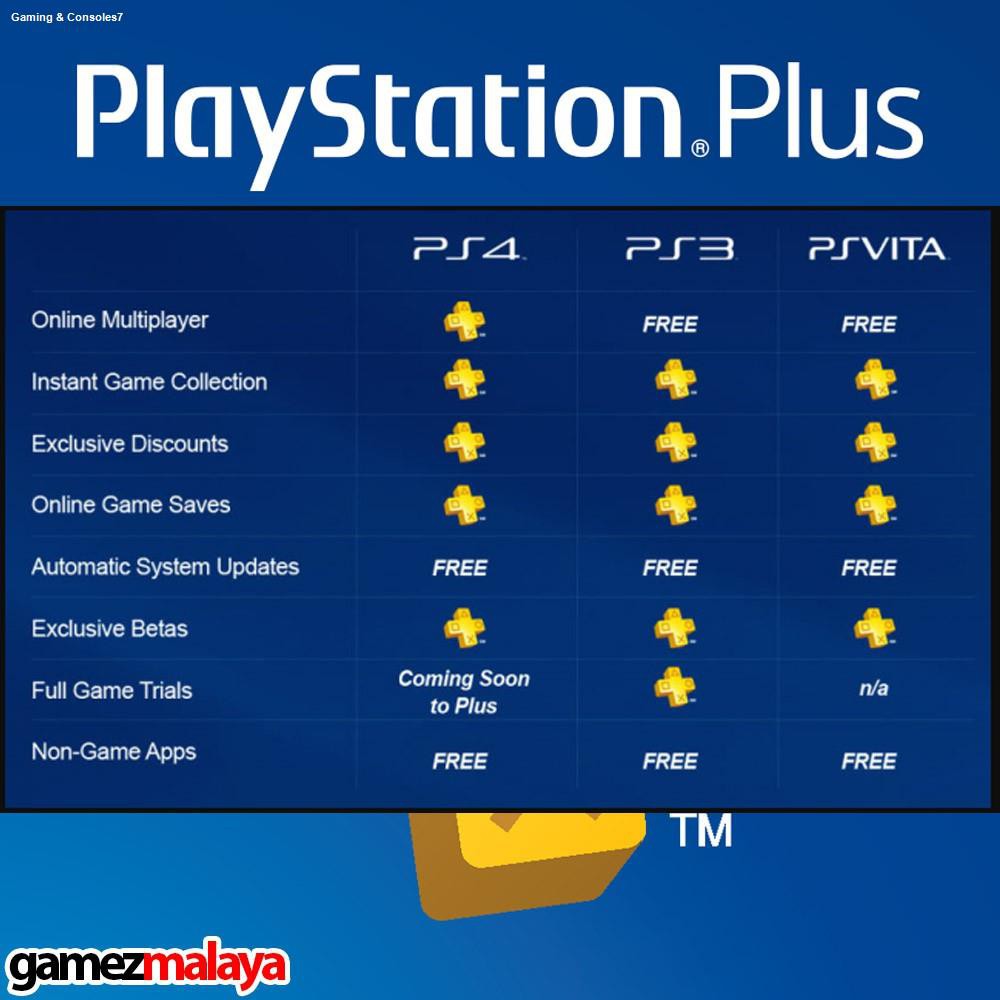
PlayStation Network's transformation accelerated with the introduction of PlayStation Plus in 2010, fundamentally altering the online gaming landscape. This subscription service introduced several key benefits:
- **Free monthly games** that provided rotating library of titles at no additional cost
- **Online multiplayer access** becoming essential requirement for competitive play
- **Cloud storage options** for saving game progress across multiple devices
- **Early game trials** offering exclusive access to downloadable content
The evolution continued through subsequent PlayStation generations, with PlayStation 4 and PlayStation 5 further integrating social features and content sharing. According to industry analyst Michael Pachter, "PlayStation Network transitioned from being a utility service to becoming the central nervous system of the PlayStation ecosystem, connecting every aspect of the user experience." This integration extended beyond gaming into video streaming, music services, and eventually positioning PlayStation as competitor to dedicated media streaming devices.
Security considerations have remained paramount throughout PSN's development, particularly following the significant 2011 breach that temporarily suspended services. That incident exposed personal information of 77 million accounts, resulting in multiple class-action lawsuits and prompting substantial security overhauls. Following the breach, Sony implemented enhanced encryption protocols, mandatory two-factor authentication options, and continuous security monitoring. The company established dedicated security response teams and increased collaboration with cybersecurity firms to identify vulnerabilities before exploitation.
PlayStation Network's competitive position has evolved alongside changing market dynamics, particularly with the emergence of cloud gaming and cross-platform capabilities. Industry reports indicate that as of 2023, PlayStation maintained approximately 116 million monthly active users, though this number fluctuates with console cycles and exclusive title releases. The introduction of PlayStation VR further expanded network capabilities, creating new dimensions for social interaction and immersive experiences within the established infrastructure.
Business model innovation has characterized PSN's ongoing development, with Sony experimenting with various approaches to monetization while maintaining core gaming values. The service transitioned from one-time purchase models to incorporating subscription tiers, premium memberships, and seasonal content offerings. This flexibility allowed PlayStation Network to adapt to consumer preferences while generating revenue streams beyond traditional game sales. Industry observers note that "PSN represents one of the most successful examples of gaming service evolution, continuously adapting to technological advancements and consumer expectations."
Cross-platform functionality represents perhaps the most significant recent development in PlayStation Network's history. Initially restrictive in its cross-play policies, Sony gradually opened its ecosystem to enable multiplayer experiences across different platforms. This shift particularly impacted PC gaming communities and, more recently, mobile devices through PlayStation Remote Play functionality. The change reflected broader industry movement toward platform-agnostic gaming experiences while maintaining PlayStation's competitive advantages through exclusive content and superior user experience on native devices.
Looking toward the future, PlayStation Network continues to evolve alongside emerging technologies and gaming trends. Integration with artificial intelligence for personalized recommendations, enhanced streaming capabilities, and potential blockchain-based features represent areas of ongoing exploration. Industry insiders suggest that upcoming PlayStation hardware will further leverage network capabilities to create seamless experiences across television, mobile, and emerging display technologies. As the gaming landscape continues transforming, PlayStation Network's infrastructure positions Sony to maintain relevance in increasingly competitive digital entertainment markets, connecting players, developers, and content creators across an expanding digital ecosystem.
Related Post

What Does PSN Mean? Your Essential, No-Nonsense Guide to Playstation Network

What Does PSN Mean? Your Essential Guide to Playstation Network

PSN Status Checker: What You Need to Know to Stay Connected

Unlock a World of Gaming Bliss: A Step-by-Step Guide to Creating Your PlayStation Network Account