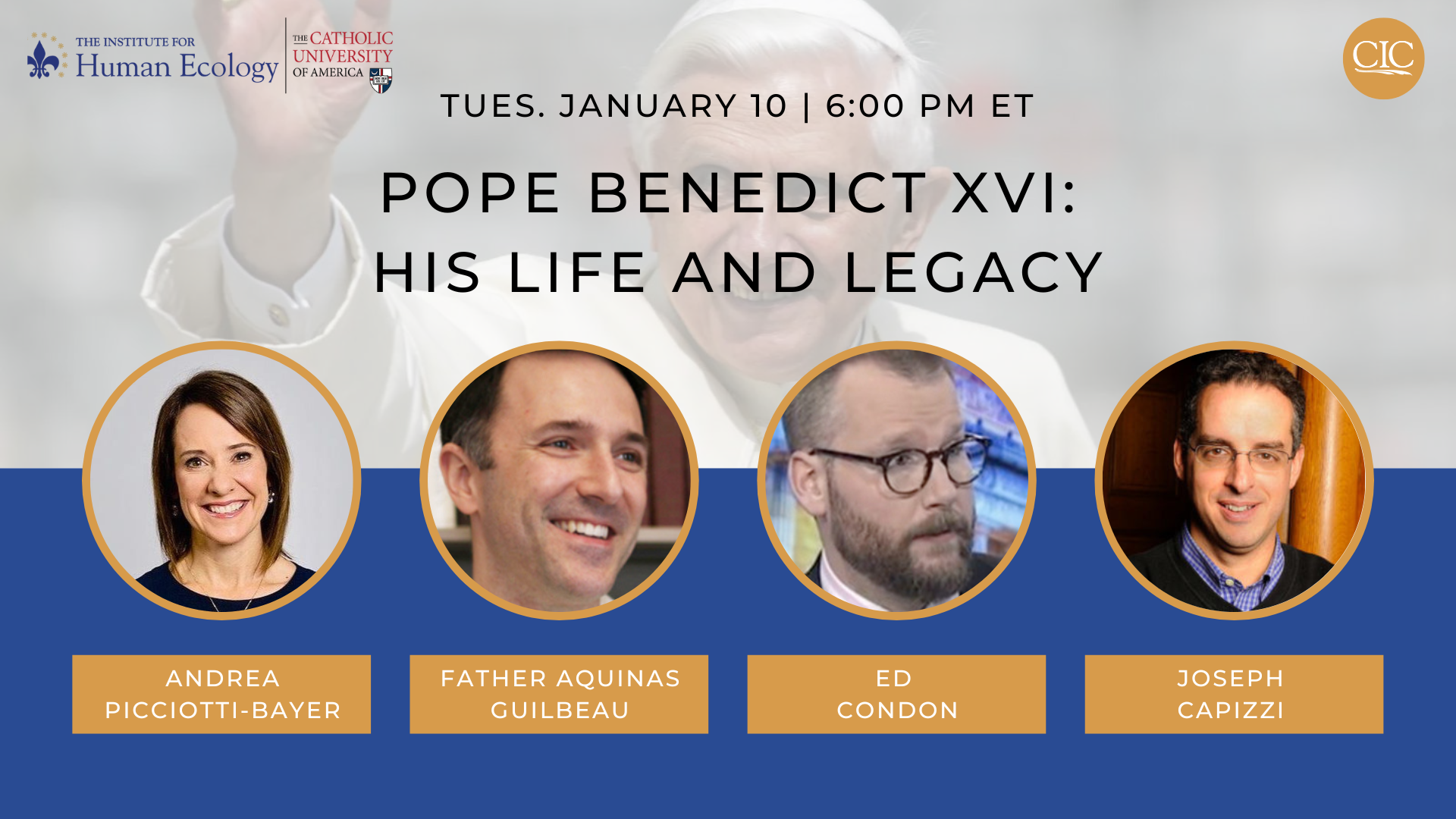
Pope Benedict XVI’s Radical Humility: The Quiet Revolution of a Reluctant Pontiff
Pope Benedict XVI’s Radical Humility: The Quiet Revolution of a Reluctant Pontiff
Pope Benedict XVI’s papacy, spanning 2005 to 2013, was defined by a paradox: a man of formidable intellect who chose a path of voluntary obscurity. His leadership, often overshadowed by the charisma of his predecessor, was a deliberate pursuit of "smallness" in service of the Gospel. Through a withdrawal that was anything than passive, Benedict sought to re-center the Church on divine mystery and theological rigor, leaving a legacy measured more in spiritual depth than temporal influence.
From the outset, Benedict’s approach was distinct. Unlike the bustling public presence of John Paul II, his papacy was characterized by a return to interiority and liturgical reverence. This was not a withdrawal from duty, but a recalibration of priorities, where the shepherd’s focus shifted from the spectacle of the office to the substance of the faith. His resignation in 2013, a historic first in nearly 600 years, was the ultimate expression of this philosophy, cementing a legacy of humble service that continues to challenge and inspire.
The Intellectual Architect: From Joseph Ratzinger to Pope Benedict
Before the white cassock, Joseph Aloisius Ratzinger was a formidable theological mind, shaped by the trauma of Nazi Germany and the intellectual ferment of the 20th century. As Prefect of the Congregation for the Doctrine of the Faith, he was the Church’s chief enforcer of doctrinal orthodoxy, a role that earned him the nickname "The Vatican’s Enforcer." This background inevitably informed his papacy, infusing it with a profound concern for clarity, coherence, and the defense of timeless truths in a rapidly secularizing world.
His election on April 19, 2005, was met with global enthusiasm, yet his inaugural Mass set the tone for his pontificate. Rather than a grand spectacle, he chose a meditation on the nature of priestly service, drawing inspiration from the Letter to the Hebrews. His first encyclical, *Deus Caritas Est* (God is Love), released in January 2006, was a masterful blend of cold charity and agape love, arguing that the Church’s charitable work gains its ultimate动力 from a personal encounter with Christ. This document was not a polemical treatise but a pastoral reflection on the source and nature of Christian love, a theme he would revisit throughout his papacy.
The "Hermeneutic of Continuity": Re-reading Vatican II
One of Benedict’s most significant and often misunderstood contributions was his advocacy for a "hermeneutic of continuity" in interpreting the Second Vatican Council (1962-1965). He argued that the Council was not a rupture with the past but a period of organic development, a "ressourcement" or return to the sources of Christian faith. This was a direct challenge to the "rupture" narrative that had dominated much of the post-Vatican II discourse.
* **The Grid of Tradition:** Benedict believed that the Council’s reforms needed to be understood within the living Tradition of the Church, not in opposition to it. He frequently contrasted the "hermeneutic of discontinuity" with what he called the "hermeneutic of reform," which sees Vatican II as a purification and correction of the past, not a rejection of it.
* **The Liturgical Vision:** This theological principle was most visibly applied in his 2007 motu proprio, *Summorum Pontificum*, which facilitated the use of the 1962 Roman Missal. He framed this not as a concession to traditionalists but as a recognition of the liturgy's inherent stability and beauty. In his own words, the two forms of the Roman Rite are "two usages of the one Roman Rite," and the older form was not to be abandoned but "cherished" as a treasure of the Church.
* **The Dialogue with Modernity:** Benedict did not reject the legitimate concerns of modernity—human rights, democracy, scientific progress—but sought to ground them in a broader anthropological vision. He warned that without a foundation in natural law and a transcendent God, these values could become impoverished, losing their moral compass. His famous 2006 Regensburg lecture, while controversial for its引用 of a medieval emperor's remarks on reason and faith, was a profound call for a renewed dialogue between faith and reason in the 21st century.
The Unprecedented Resignation: A Gesture of Total Surrender
The most shocking event of Benedict’s papacy was his resignation on February 28, 2013. In a world where power is often clung to, his voluntary relinquishing of the Petrine Ministry was a theological statement of breathtaking humility. Citing his declining strength and a "profound sense of inadequacy" in the face of the demands of the office, he framed his departure as a return to a life of prayer and reflection.
His statement read, in part:
> "For this reason, in today’s Consistory, in the presence of this Cardinale, I have resigned from the ministry of the Roman Pontiff as canning provided by the current law."
This act was laden with symbolism. He became the first pope to resign since Gregory XII in 1415, and his decision to remain within the Vatican, later moving to the Mater Ecclesiae monastery, signaled a new, more contemplative model of papal retirement. It was a powerful lesson that the office is not an identity but a temporary service, and that true strength can be found in willing submission to divine will and the good of the Church.
A Legacy of "The Church as a Pilgrim People"
Assessing Benedict’s legacy requires moving beyond the headlines and controversies to appreciate the deeper currents he set in motion. He was a shepherd who prioritized the spiritual health of his flock over public relations. His quiet, sometimes awkward, demeanor was a counter-cultural witness to a world obsessed with image and noise. He demonstrated that authority in the Church is fundamentally about service, a form of "royal priesthood" defined by sacrifice and love, not by status or control.
His pontificate was a time of consolidation and reflection, a necessary pause in a often-busy ecclesiastical calendar. He left the Church with a clearer theological vocabulary, a renewed appreciation for the liturgy, and a humbler model of leadership. Though his public appearances became rarer after his resignation, his writings and example continue to influence the Church, reminding all that the ultimate measure of a leader is not in their power, but in their capacity to point others beyond themselves to God.
Related Post