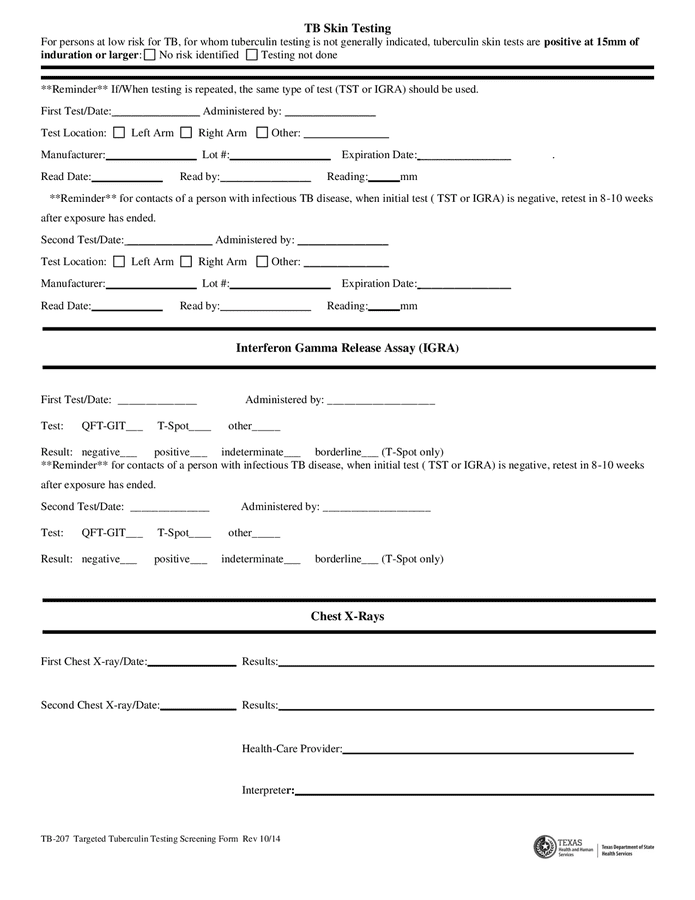
Rite Aid TB Test: Quick Facts, Cost, Accuracy, and What to Expect
Rite Aid TB Test: Quick Facts, Cost, Accuracy, and What to Expect
If you need a tuberculosis test, Rite Aid offers TB skin testing (PPD) as a convenient option at many locations, often on a walk-in basis. These tests help identify possible TB infection and are important for public health, school entry, employment, and travel requirements. This article explains how the Rite Aid TB test works, what the procedure involves, costs, results, accuracy, and alternatives to consider.
What is a TB Test and Why Does it Matter?
Tuberculosis is a bacterial infection that primarily affects the lungs but can spread to other parts of the body. A TB test does not diagnose active disease in all cases; instead, it helps identify people who have been infected with the bacteria and may need further evaluation.
Two Main Types of TB Tests
There are two common types of TB tests used in the United States:
- The tuberculin skin test (TST), also called the PPD test, involves injecting a small amount of fluid under the skin of your forearm.
- Blood tests, such as the QuantiFERON-TB Gold (QFT) or T-SPOT, measure your immune response to TB bacteria with a single needle stick.
Rite Aid typically offers the skin test, which is widely used for screening in schools and workplaces.
Rite Aid TB Test: Availability and Locations
Many Rite Aid stores provide TB testing, but services can vary by location. It is important to confirm in advance whether your nearby store offers the test and whether an appointment is required.
How to Find a Testing Location
You can check Rite Aid’s website or call your local store to ask about TB testing. Here are a few practical steps:
- Visit the Rite Aid store locator and review services listed for your area.
- Call ahead to confirm they perform TB skin tests and to ask about any documentation you need to bring.
- Ask about cost, because prices can differ by location and insurance coverage.
Some locations may refer complex cases or require that you visit a clinic or doctor’s office for follow-up.
The Testing Procedure: What to Expect During Your Visit
If you go to Rite Aid for a TB skin test, the process is relatively straightforward. A healthcare professional will clean your forearm, inject a small amount of tuberculin just under the skin, and then provide instructions for the next steps.
After the Injection
- You should not remove the bandage or clean the area aggressively, as this can interfere with results.
- It is normal to experience mild redness, itching, or swelling at the injection site.
- You will be given a return visit date, usually between 48 and 72 hours later, to have the test read.
Failing to return on time can result in an inaccurate reading, which may require repeating the test.
Cost, Insurance, and Potential Hidden Fees
The cost of a TB test at Rite Aid can depend on your insurance, location, and whether you have any qualifying benefits. In some cases, you might pay a copay, while in others you could be responsible for the full cost if your plan does not cover it.
Tips to Avoid Surprises
- Call your insurance provider and ask if TB skin testing is covered and whether you need a referral.
- Ask the Rite Aid pharmacist or nurse about the cash price if you are uninsured.
- Check whether your state or local health department offers free or low-cost TB testing, which may be more affordable than a retail store.
Prices can range from free with full insurance coverage to over $50 out of pocket, depending on your plan.
Accuracy, Limitations, and Common Misconceptions
No TB test is perfect. The skin test can produce false positives, especially in people who have had the Bacille Calmette-Guérin (BCG) vaccine, and false negatives can occur in people with weakened immune systems.
Limitations of the TST
- It cannot distinguish between latent TB infection and active TB disease.
- Previous vaccination with BCG may cause a positive reaction that is not due to active infection.
- Recent exposure, immune suppression, or certain health conditions can affect the result.
If your skin test is positive, a healthcare provider will usually order a chest X-ray and other tests to determine whether you have active disease.
Alternatives to Consider and When to Use Them
Blood tests for TB are an alternative to the skin test and may be recommended in certain situations.
When a Blood Test Might Be Better
- You have had the BCG vaccine, which can cause false-positive skin test results.
- You need testing but cannot return for a second visit within 48–72 hours.
- You have a weakened immune system or another condition that may affect skin test interpretation.
While Rite Aid typically offers the skin test, your doctor or local health department may be better equipped to provide a blood test if appropriate.
Special Situations: Travel, Employment, and Schools
Many people need a TB test for specific purposes, such as studying abroad, working in healthcare, or enrolling in college. Requirements vary by country, employer, or institution, and they can affect which test you need and how documentation must be submitted.
What Employers and Schools Often Require
- Proof of a negative TB test within a specific timeframe, such as 8 to 10 weeks before starting.
- Documentation that includes the date of the test, the type of test, and the location where it was performed.
- A follow-up exam or chest X-ray if the test result is positive.
Always check the exact requirements before scheduling a test, because incomplete documentation can be rejected.
When to Seek Immediate Medical Attention
A positive TB test does not mean you have active tuberculosis, but it does mean you should follow up with a healthcare provider. Certain symptoms can indicate active disease and require urgent evaluation.
- Persistent cough lasting more than a few weeks.
- Coughing up blood or chest pain.
If you experience these symptoms, contact a healthcare provider immediately, regardless of your TB test result.
Final Takeaways and Practical Next Steps
A TB test at Rite Aid can be a convenient way to meet screening requirements, but it is important to understand the process, limitations, and follow-up steps. Planning ahead, confirming costs and coverage, and returning for result interpretation are essential for an accurate and efficient experience.
Related Post