Seats On Boeing 787: The Ultimate Guide To Comfort, Configuration, And Cabin Innovation
Seats On Boeing 787: The Ultimate Guide To Comfort, Configuration, And Cabin Innovation
The Boeing 787, often called the Dreamliner, has redefined long-haul air travel with its advanced composite materials, larger windows, and higher cabin humidity. At the heart of this passenger experience revolution are the thoughtfully designed seats that balance comfort, technology, and space. Understanding the seating landscape on the 787 reveals a complex ecosystem where airlines make critical choices that directly impact every traveler’s journey.
The configuration of seats on Boeing 787 aircraft is not standardized across the industry. Each airline that operates the Dreamliner makes strategic decisions about cabin class layout, seat pitch, width, and amenities, resulting in a wide spectrum of experiences even on the same aircraft type. From premium cabins designed for ultimate relaxation to efficient high-density configurations, the devil is very much in the seating details.
A typical Boeing 787-9 operated in a three-class configuration might accommodate between 240 and 290 passengers, though numbers vary significantly. This flexibility is a core strength of the 787, allowing carriers to tailor the cabin to their specific market demands and route economics. The ability to customize the interior is a key reason why the 787 has been so popular among both flagship carriers and budget-focused long-haul operators.
The evolution of the 787 cabin reflects broader trends in aviation toward greater personalization and comfort. As passenger expectations have risen, airlines have leveraged the Dreamliner’s capabilities to create products that compete with first-class hotel suites and premium train carriages. This arms race in comfort has made the seat selection on a 787 a critical factor for business and luxury travelers.
Understanding the anatomy of a 787 cabin requires looking at the three primary zones: Premium Economy, Business, and First Class, though not all airlines offer all three. Each zone is defined by its seating architecture, which dictates not only comfort but also privacy, storage, and access to facilities. The materials, lighting, and power options all differ significantly between these classes.
In the Premium Economy section, the focus is on providing a noticeable step up from standard economy. Seats typically feature a greater pitch, allowing more legroom, and often include wider seats and enhanced cushioning. Many airlines outfit this cabin with modern in-flight entertainment systems, improved power outlets, and mood lighting designed to reduce jet lag.
Business Class on the 787 represents the current pinnacle of mainstream long-haul travel for many flyers. Here, the emphasis shifts from seats to fully flat beds, a move that prioritizes sleep quality on overnight flights. The trend toward increasingly private suites, sometimes featuring closing doors and dedicated seating areas, has transformed the business cabin experience over the last decade.
The progression to First Class on select 787s, particularly on carriers like Singapore Airlines, Etihad, and Qatar Airways, pushes the boundaries of space and luxury. These suites can resemble private apartments, complete with dual seating areas, large windows, and storage space for luggage and garments. The seat in these configurations is less a place to sit and more a fully functional living environment.
One of the most significant technological advancements influencing seats on Boeing 787 is the integration of power systems. Unlike older aircraft, the 787 is designed to be a "paperless cockpit," and that philosophy extends to the passenger cabin. Every seat is equipped with multiple power outlets, including both standard plugs and USB ports, ensuring that personal devices remain charged on ultra-long flights.
The in-flight entertainment (IFE) systems on the 787 are directly tied to the seat experience. Airlines utilize large touch-screen monitors or rely on passengers’ own devices through Wi-Fi streaming. This shift has allowed for more flexible seat designs, as the need for individual seatback screens is sometimes reduced in favor of a cleaner aesthetic and larger windows.
Windows on the 787 are a passenger favorite, and they indirectly relate to seating placement. The larger composite windows allow for greater light intake and a view that feels closer to the outside world. This is particularly important in cabin design, as airlines must consider the location of seats relative to the wings and ensure that window seats offer an unobstructed view, which is a major selling point.
Comfort on the 787 is also managed through the aircraft’s environmental systems, which work in tandem with the seating layout. The cabin pressure is equivalent to 6,000 feet rather than the 8,000 feet found in older aircraft, reducing fatigue and headaches. Higher humidity levels also make long flights more comfortable, a benefit that is felt in the seating areas where passengers spend the majority of their time.
Airlines must also consider operational factors when arranging seats on Boeing 787. This includes adherence to strict safety regulations regarding emergency exit rows, which require passengers to be able to perform specific duties. These seats, while offering more legroom, come with responsibilities that not all passengers are willing or able to fulfill.
The economics of seating configuration cannot be ignored. While a traveler might prefer a spacious seat in Business, the airline’s priority is often maximizing revenue per flight. This leads to complex algorithms determining the optimal mix of seats, balancing comfort against the potential for ticket sales. A seat that feels cramped in one airline might be considered luxurious in another due to these strategic choices.
For the traveler, navigating the seat selection landscape on the 787 requires research. Checking seat maps on independent websites like SeatGuru can provide crucial insights into which seats have issues, which are bulkheads, and which offer the best views on a specific airline’s particular 787 variant. This due diligence can make the difference between a good flight and a great one.
The future of seats on Boeing 787 points toward even more integration and intelligence. Concepts such as adjustable headrests, personalized climate control at the seat, and advanced materials that regulate temperature are on the horizon. The cabin of the future will likely treat the seat as a node in a larger network of passenger well-being.
Ultimately, the seat is the primary interface between the passenger and the miracle of flight. On the Boeing 787, this interface has been refined to support the unique demands of modern aviation. As one industry expert noted, the focus has shifted from simply getting from A to B to providing a restorative environment that passengers feel good about inhabiting for hours on end.
The diversity of configurations ensures that there is a 787 experience to suit almost every budget and travel purpose. Whether seeking the efficiency of a high-density layout or the indulgence of a multi-suite cabin, the seat remains the central element of the journey. Understanding how these seats are arranged and designed empowers passengers to take control of their flying experience.
As manufacturers continue to innovate, the partnership between airframe and seating systems will only grow tighter. The Boeing 787 has already set a high bar for the industry, and the evolution of its cabin seating promises to keep pushing the definition of what comfortable air travel can be. The journey is as important as the destination, and the seat is the vessel that makes it possible.
Related Post
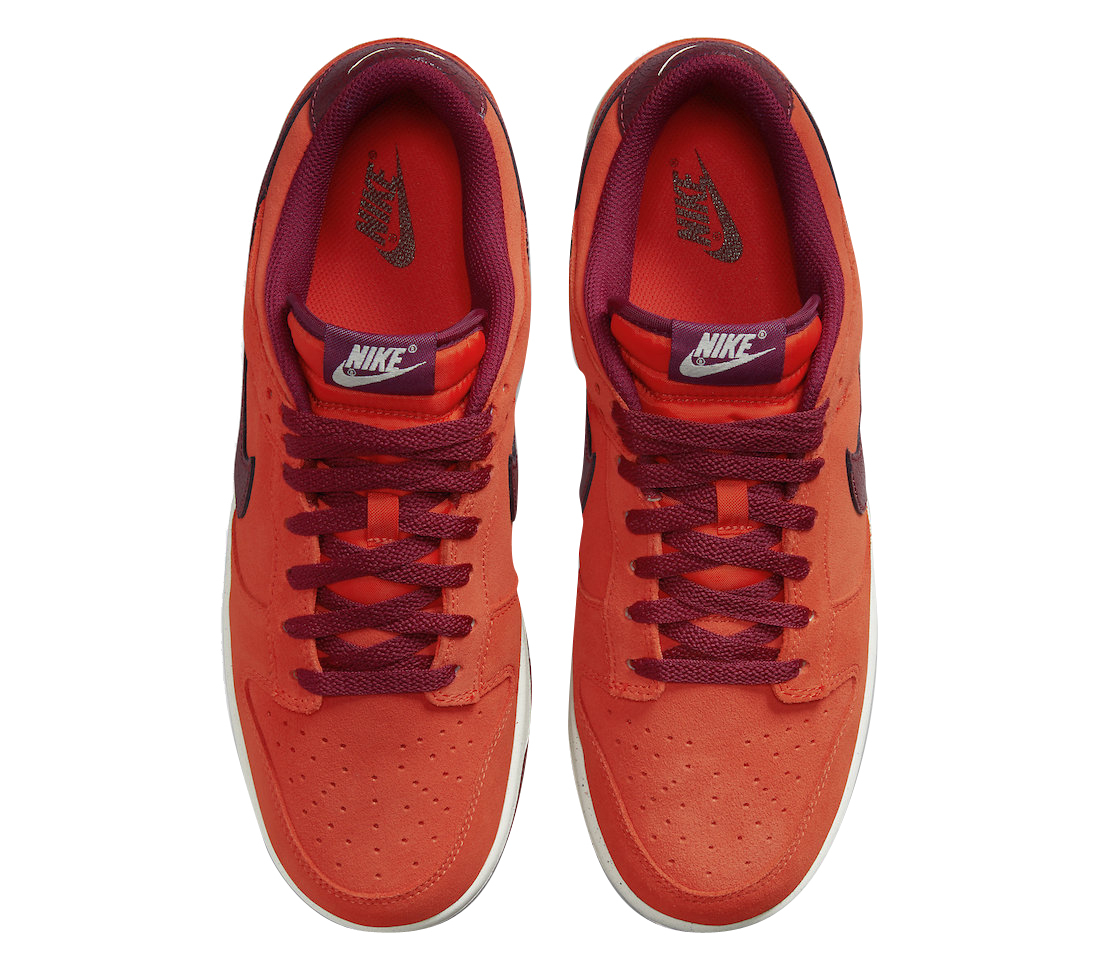
Nike Dunk Low Orange Suede: The Ultimate Guide
:max_bytes(150000):strip_icc():focal(329x0:331x2)/ingrid-bergman-660-5dc4112b5a6c49b392348033caf68c92.jpg)
The Ultimate Showdown: Forrest Gump's Oscar Rivals

Unlocking the World of Police Reports: A Student's Essential Guide

Wake-Up Call: Sleepwell Vs Sleep Well - Which Mattress Is Right For You?


