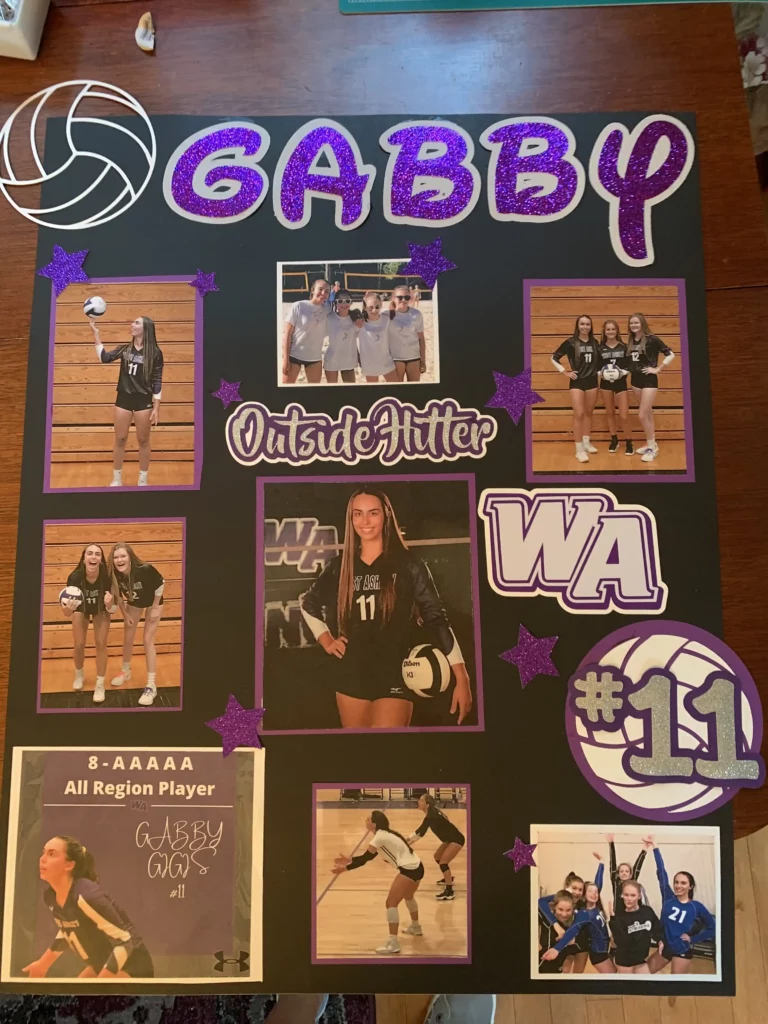
Senior Night Posters: The Art, Strategy, and Emotional Blueprint of High School Sports Farewells
Senior Night Posters: The Art, Strategy, and Emotional Blueprint of High School Sports Farewells
High school gyms across the country transform in the evenings leading up to senior night, as student artists, parents, and administrators collaborate on visual tributes that capture years of dedication. These posters, often featuring hand-painted letters and digital photography, function as both decoration and documentation, turning fleeting moments into tangible keepsakes. This report examines the evolution, design principles, and cultural significance of senior night posters in American high school athletics.
The Historical Context of Senior Recognition Traditions
The tradition of honoring high school athletes during dedicated nights dates back decades, but the visual representation has evolved considerably. In the 1970s and 1980s, recognition typically consisted of simple banners with names and years, often displayed in the school gymnasium. The advent of affordable color printing in the 1990s transformed these tributes, allowing for more sophisticated designs incorporating team photos and school colors.
"As a coach who started in the late 80s, I've seen the shift from basic photocopied letters to these elaborate digital masterpieces," explains Mike Thompson, a veteran basketball coach at West Valley High School in Spokane, Washington. "What hasn't changed is the emotional weight these displays carry for both the students and their families."
The evolution reflects broader changes in educational priorities, with schools increasingly recognizing the importance of celebrating student achievement beyond academic accomplishments. Athletic directors now view senior night posters as essential components of the overall athletic program, requiring careful planning and budget allocation.
Design Elements That Create Impact
Effective senior night posters balance aesthetic appeal with emotional resonance, requiring careful consideration of several key elements:
Typography and Color Schemes
The choice of fonts significantly affects how the message is received. Many designers opt for bold, athletic-inspired fonts that convey energy and determination, while others prefer cleaner, more modern styles. Color selection typically aligns with school branding, though some artists introduce complementary colors to make specific elements stand out.
Imagery and Composition
Digital photography has elevated poster design, allowing for dynamic action shots and candid moments. When planning the visual layout, designers consider:
- Placement of senior class photos versus individual portraits
- Integration of game footage and practice sequences
- Balance between text information and visual elements
- Incorporation of school logos, mascots, and signature colors
Information Hierarchy
Posters must communicate multiple messages efficiently:
- Recognition of the senior class
- Specific game details (date, time, opponent)
- Ticket information and event schedule
- Acknowledgment of coaching staff and sometimes families
[h2]The Collaborative Creation Process
Modern senior night posters rarely result from single-author efforts but rather from collaboration between students, faculty, and parents. Art teachers frequently oversee student designers who create mockups, while athletic directors provide necessary information and deadlines.
Sarah Chen, art teacher at Lincoln High School in Columbus, Ohio, describes the process: "We typically have two to three students working on the design who meet weekly after school. They start with templates but are encouraged to incorporate their creative vision within the school's guidelines."
Parent involvement varies by school district but often proves essential, particularly in fundraising efforts to cover printing costs. In some communities, parents volunteer to help gather photographs, write content, and even handle distribution to local businesses for display.
Economic Considerations and Fundraising Integration
The production of senior night posters involves tangible costs that schools must manage carefully. Expenses typically include:
- Design software or professional designer fees
- Printing materials (vinyl, paper, fabric)
- Installation supplies and equipment
- Distribution to local businesses for display
Many schools address these costs through various approaches:
1. Athletic department budget allocation
2. Booster club fundraising specifically for recognition materials
3. Sponsorship from local businesses featured on or around the posters
4. Minimal ticket prices for the actual senior night event
[h2]Digital Transformation and Social Media Impact
The rise of social media has fundamentally altered how senior night posters are created, distributed, and remembered. Schools now commonly create digital versions of physical posters for sharing across platforms, extending recognition beyond those who attend the event.
[h3>Enhanced Digital Distribution
- Official school social media accounts posting high-resolution versions
- Creation of shareable image formats optimized for Instagram, Twitter, and Facebook
- Inclusion in digital yearbooks and graduation commemorative websites
- Email distribution to alumni networks and former students
[h3>Interactive Possibilities
Some schools have begun incorporating QR codes on physical posters that link to digital galleries, video messages from seniors, or donation pages for athletic programs. This hybrid approach maintains traditional recognition methods while embracing technological possibilities.
[h2>Community Connection and Local Business Partnerships
Senior night posters frequently extend beyond school property, with many local businesses displaying them in storefront windows. This practice serves multiple purposes:
- Demonstrates community investment in student achievements
- Provides additional visibility for the athletic program
- Creates economic opportunities for printing businesses
- Fosters intergenerational connection as community members recognize former students
[h2>Challenges and Future Considerations
Despite their positive intentions, senior night posters occasionally present challenges. Inclusivity concerns arise when recognition appears limited to star athletes rather than all participants. Environmental considerations regarding materials and waste occasionally prompt questions about sustainability.
[h2>Looking Forward
As technology continues to evolve, so too will the format and distribution of senior night recognition materials. Virtual reality experiences, interactive digital installations, and personalized print options represent potential directions. However, the fundamental purpose remains consistent: creating lasting tributes to student athletes' dedication and providing the community with visual reminders of the transformative power of high school sport.
The most effective senior night posters accomplish something beyond decoration—they capture a specific moment in time while simultaneously connecting past achievements to future possibilities. For students, parents, and communities, these visual tributes represent more than temporary decorations; they stand as testaments to shared experiences that extend far beyond the final buzzer.
Related Post