😫 Stressed Meme: How a Simple Image Captured Workplace Anxiety and Became a Cultural Phenomenon
😫 Stressed Meme: How a Simple Image Captured Workplace Anxiety and Became a Cultural Phenomenon
The "Stressed Meme," featuring a disheveled individual with painfully messy hair, has transcended its origins as a simple digital expression to become a profound commentary on modern anxiety. This image, often paired with relatable captions about deadlines, workloads, and personal pressure, has rapidly evolved into a universal symbol of contemporary stress. Its pervasive spread across social media platforms highlights a collective acknowledgment of the intense pressures faced in today's fast-paced world, turning a personal grimace into a shared global language of fatigue.
The Anatomy of the Stressed Meme
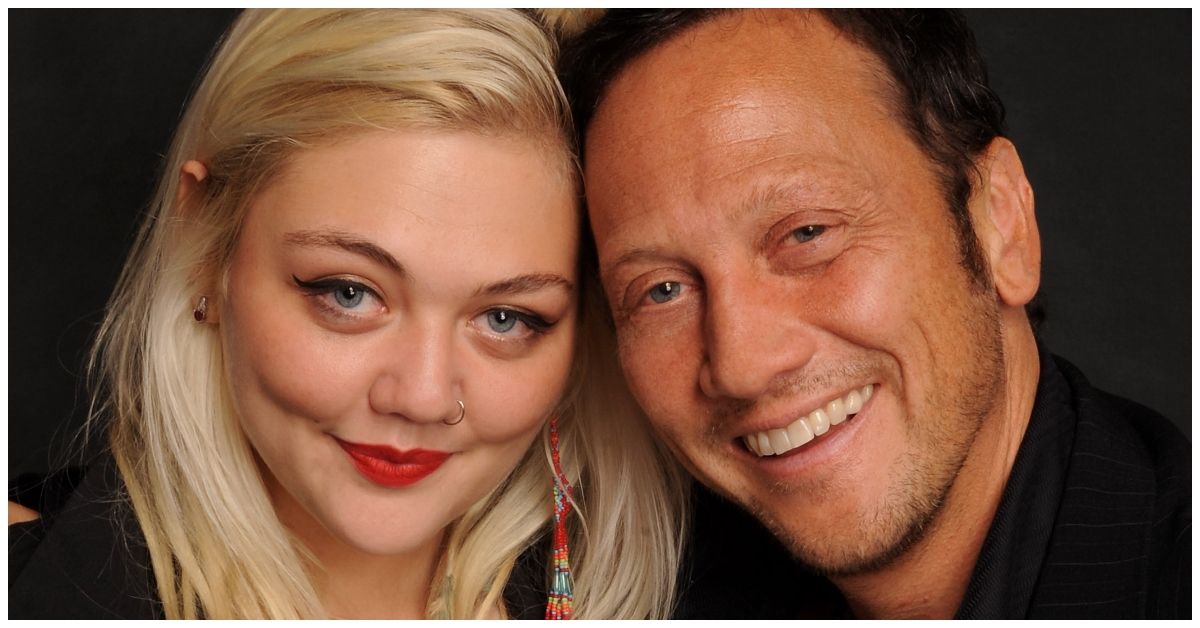
The visual core of the meme is instantly recognizable: a person, usually depicted in a professional or casual setting, staring directly at the camera with eyes wide and stressed. The hair is characteristically messy, often appearing disheveled or standing on end, and the facial expression conveys a potent mix of dread, overwhelm, and sheer exhaustion. This specific visual template is intentionally raw and unfiltered, capturing a moment of vulnerability that resonates deeply with viewers.
The power of the meme, however, lies not just in the image but in the text overlay. The captions typically frame a specific scenario that triggers this state of panic. Common themes include:
- Imminent Deadlines: "When your boss sends the project brief 30 minutes before the client call."
- Overwhelming Workloads: "Trying to respond to 150 emails before you've even had coffee."
- Personal Anxiety: "Realizing you forgot to pay your rent three weeks ago."
- Unexpected Challenges: "When you realize the presentation you built is for a completely different topic."
The genius of the format is its adaptability. It serves as a blank canvas for anyone to project their current anxieties onto, making it a timeless template for digital expression. The meme’s structure is simple enough to be instantly understood yet flexible enough to encapsulate a vast range of personal and professional stressors.
Origins and Evolution: From a Viral Post to a Universal Language
Like many internet phenomena, the precise origin of the specific "Stressed Meme" image is difficult to pin down, though it gained significant traction on platforms like Twitter and Instagram in the early 2020s. It is often a candid, seemingly spontaneous photo of a friend, colleague, or even a self-portrait, rather than a professionally edited stock image. This authenticity is a key part of its appeal.
Initially, the meme circulated within specific online communities—particularly among overworked professionals, students facing exams, and anyone navigating the general chaos of adult life. It was a private joke shared among those who truly understood the feeling. However, its relatability quickly propelled it into the mainstream. The meme began to appear in diverse online spaces, from comment sections to news articles, used to punctuate stories about burnout, economic uncertainty, and the general pressures of modern life. It evolved from a niche in-joke into a widely recognized symbol that transcends specific demographics.
The Psychology Behind the Popularity
The widespread adoption of the Stressed Meme is not merely a trend; it is a reflection of deep-seated societal anxieties. Dr. Anya Sharma, a cultural psychologist, offers an insight into why this image resonates so powerfully:
"The 'Stressed Meme' works because it provides a visual shorthand for a feeling that is often difficult to articulate. It allows individuals to express complex emotions like burnout, imposter syndrome, and existential dread in a humorous, non-threatening way. By laughing at the meme, we momentarily validate our own struggles and feel a sense of connection with others who are experiencing the same pressures. It’s a form of catharsis, turning personal anxiety into a shared, communal experience."
This humor is a critical coping mechanism. In a world where stress is often stigmatized or dismissed, the meme creates a safe space to acknowledge its presence. It allows people to confront their anxieties head-on, albeit with a dose of irony, which reduces the power those feelings hold. The act of sharing the meme becomes a way of saying, "I see you, and I understand," fostering a sense of solidarity among the digitally connected.
The Stressed Meme in Professional and Cultural Contexts
The influence of the Stressed Meme has seeped beyond casual online interactions and into the very fabric of workplace culture. It has become a common way for employees to express their frustrations, often in a way that is more palatable than direct confrontation.
In office Slack channels or team group chats, the meme can serve multiple functions:
- Breaking the Tension: When a team is facing a particularly grueling sprint, posting the meme can be a way to acknowledge the shared pressure and momentarily relieve the tension with humor.
- Setting Expectations: An employee might use the meme to subtly signal they are overwhelmed, perhaps with a caption like "My current workload," without explicitly complaining.
- Building Rapport: Sharing the meme creates an instant bond among colleagues who recognize the shared experience, fostering a sense of camaraderie.
Furthermore, the meme has been embraced by brands and marketers attempting to appear relatable. While this can sometimes come across as inauthentic or opportunistic, when done well, it demonstrates an understanding of the target audience's language and emotional state. It signifies a shift from traditional, polished advertising to a more human, self-deprecating form of communication that acknowledges the realities of a stressed-out consumer base.
Beyond the Laugh: The Stressed Meme as a Cultural Artifact
Ultimately, the Stressed Meme is far more than a fleeting joke. It is a potent cultural artifact that encapsulates the spirit of a generation. It is a testament to the way digital communities create shared languages to process complex emotions. The image’s enduring popularity suggests that the feelings it represents—overwhelm, burnout, and the struggle to keep up—are not isolated incidents but common conditions of modern life.
While the future of any specific meme is unpredictable, the *feeling* the Stressed Meme represents is likely to persist. As long as people navigate high-pressure environments, tight deadlines, and personal uncertainties, there will be a need for a simple, visual way to express that shared experience. The "Stressed Meme" has secured its place in the digital pantheon not just because it is funny, but because it is, for many, a painfully accurate reflection of their reality.
As the digital landscape continues to evolve, new templates will emerge. However, the core function of the Stressed Meme—to provide a moment of recognition, connection, and release through shared vulnerability—remains a powerful and enduring aspect of online communication. It is a mirror held up to our collective anxieties, and for a brief moment, it allows us to laugh at them together.
Related Post
UNCOVERED: The Smoking Cig Stressed Meme Exposed - From Virality to Mental Health Concerns
The Unseen Blueprint: How Kehlani’s Parents Forged a Legacy of Identity and Empowerment
Is Susan St James Still Married? The Truth Behind the Royal-Connected Name and Current Status
Eva Chen’s Salary: Unpacking the Compensation of a Tech Industry Powerhouse