Sushi Fumi La Cienega: Dissecting The Hype, The Food, And The Future Of This Polarizing LA Spot
Sushi Fumi La Cienega: Dissecting The Hype, The Food, And The Future Of This Polarizing LA Spot
Sushi Fumi La Cienega has rapidly evolved from a modest sushi counter into a battleground for food critics and social media influencers in Los Angeles. The restaurant’s assertive, spice-forward interpretations of Japanese classics have generated both a fervent fanbase and vocal criticism regarding authenticity. This deep dive examines the culinary philosophy, operational history, and cultural impact of this undeniably influential establishment.
Located in the heart of the Pico-Robertson corridor, Sushi Fumi has become a definitive example of how modern dining trends can collide with traditional techniques. Its journey reflects broader shifts in the local restaurant scene, where visibility often dictates viability. Understanding the mechanics behind the menu provides context for its divisive reputation.
The core of the Sushi Fumi experience is a lens through which to examine contemporary Japanese-American fusion. It is a space where calculated risk-taking meets undeniable crowd-pleasing appeal, creating a distinct niche in a saturated market.
### The Culinary Philosophy: Innovation Over Imitation
Chef-owner Takeshi Fukuda established Sushi Fumi with a clear mandate: to deliver high-energy, flavor-centric sushi that appeals to a broad American audience without adhering strictly to convention. This approach diverges significantly from the minimalist ethos often associated with high-end sushi omakase. Instead, the focus is on texture, temperature, and bold seasoning.
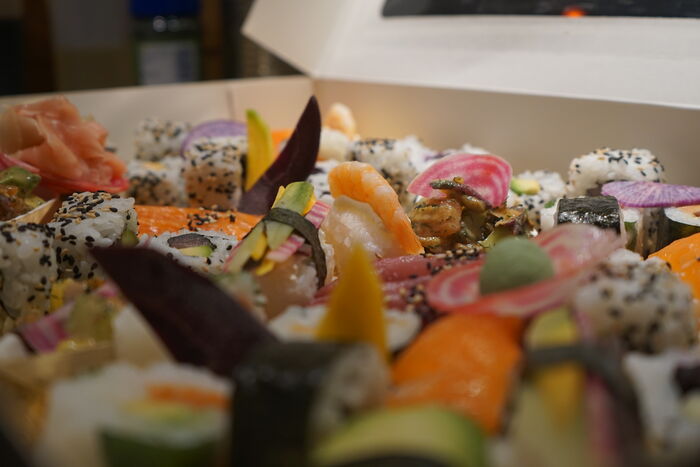
The menu is a testament to this philosophy. Expect vibrant rolls like the "Dynamite" or the "Fumi Hurricane," which prioritize crunch and creamy sauces over subtlety. These creations are designed for sharing and photographing, aligning perfectly with the visual demands of the digital age.
* **Tempura Integration:** A signature element is the generous application of light, airy tempura batter to proteins and vegetables. This adds a distinct crunch that contrasts with the softness of raw fish or the heat of a seared scallop.
* **Spice Profiles:** The restaurant is not shy about heat. Many signature rolls incorporate spicy mayo, sriracha glaze, or even fresh chilies, creating a flavor profile that is aggressive and immediate.
* **Non-Traditional Proteins:** While standard fare like tuna and salmon are present, the menu frequently features more adventurous options such as crispy pork belly, spicy shrimp po' boy style, and even non-fish proteins like chicken katsu in sushi form.
This methodology has proven commercially successful. It lowers the barrier to entry for diners who might find traditional sushi intimidating or unfamiliar. The food is designed to be approachable, exciting, and visually stimulating, prioritizing immediate gratification over the nuanced, palate-cleansing experience of a traditional sushiya.
### A Timeline of Turmoil and Triumph
The history of Sushi Fumi is as dramatic as its menu. The restaurant first opened its doors with significant fanfare, quickly becoming a hotspot thanks to aggressive marketing and a menu that resonated with younger demographics. However, early success was often accompanied by inconsistent execution and notoriously difficult reservations.
A critical turning point occurred several years into its operation. The restaurant closed abruptly for a significant renovation and retooling of its kitchen operations. This hiatus was met with skepticism from the community but ultimately proved necessary. The reopening represented a more mature iteration of the brand, with a refined kitchen workflow and a slightly more balanced menu.
This cycle of boom, critique, and recalibration is emblematic of the modern restaurant industry, particularly in a competitive market like Los Angeles. The ability to adapt and learn from early missteps has been integral to its longevity.
### Navigating the Criticism and The Praise
Sushi Fumi operates in the center of a spectrum of public opinion. On one end, patrons celebrate it as a vibrant, essential destination for fun, satisfying sushi. On the other, critics argue that its approach sacrifices authenticity and quality for spectacle.
**The Case For Sushi Fumi:**
* **Accessibility:** The bold flavors and familiar formats make Japanese cuisine inviting to a wide demographic.
* **Consistency (Post-Renovation):** Many regulars report a significant improvement in the quality and consistency of the food since its reopening.
* **The Experience:** The atmosphere is energetic, the service is often friendly, and the restaurant provides a reliable option for groups with diverse tastes.
**Points of Contention:**
* **Authenticity:** Traditionalists argue that the heavy use of sauces and tempura masks the delicate flavors of premium fish.
* **Value:** The price point, often aligning with high-end sushi, is sometimes called into question given the inventive, rather than pure, nature of the offerings.
* **Inconsistency:** While improved, reports of uneven execution, particularly on busy nights, still surface in reviews.
The dichotomy is perhaps best summarized in the following quotes from two opposing reviews:
> "Sushi Fumi is the antithesis of everything I believe in regarding sushi. It's a noisy, crowded hall serving flavor bombs that have little to do with the sea. Yet, I have to admit, it's a wildly fun night out."
> "They've finally figured it out. The post-renovation Fumi offers some of the best tempura I've had in the city, and their toro melt is a revelation. It’s not traditional, but it's incredibly well-executed."
These contrasting views highlight the fundamental tension at the heart of the Sushi Fumi phenomenon. It is a restaurant built on a specific, and unapologetic, vision.
### The Operational Engine: What Makes It Tick
Beyond the plate, the success of Sushi Fumi is underpinned by a robust operational structure. The restaurant functions as a hub for catering and private events, which provides a crucial revenue stream and brand exposure. The catering menu, often less drastic than the dine-in offerings, allows the establishment to showcase its technical skill in a more subdued setting.
Furthermore, the location in La Cienega Boulevard is a strategic masterstroke. It places Sushi Fumi within a dense corridor of restaurants, shops, and entertainment, ensuring a constant flow of potential customers. The visibility and accessibility are factors that cannot be understated in its growth trajectory.
The staffing model also plays a crucial role. The restaurant employs a high turnover of front-of-house staff, a common practice in high-volume dining. This keeps labor costs manageable in a thin-margin industry, though it can contribute to the inconsistent service experiences reported by some guests.
### The Lasting Impact on the LA Dining Scene
It is difficult to overstate the influence Sushi Fumi has had on the Los Angeles culinary landscape. It has helped normalize the idea that sushi can be loud, flavorful, and integrated with other global flavors. It paved the way for a generation of restaurants that prioritize boldness and shareability over hushed tones and pristine presentation.
The restaurant serves as a case study in modern brand building. It leveraged social media early and effectively, creating a visual identity that is instantly recognizable. The chaos of the dining room, the vibrant colors of the plates, and the dramatic roll names are all part of a carefully curated image.
Ultimately, Sushi Fumi La Cienega is more than just a place to eat; it is a cultural artifact. It represents a shift in the culinary conversation, proving that there is a massive audience for food that prioritizes excitement and immediate pleasure over tradition and restraint. Whether one views it as a brilliant evolution of the craft or a dilution of it, its impact is undeniable and its presence in the LA dining scene is assured for the foreseeable future.
Related Post
Sushi Fumi La Cienega: Where Artisan Sushi Meets the Wild Spirit of La Cienega