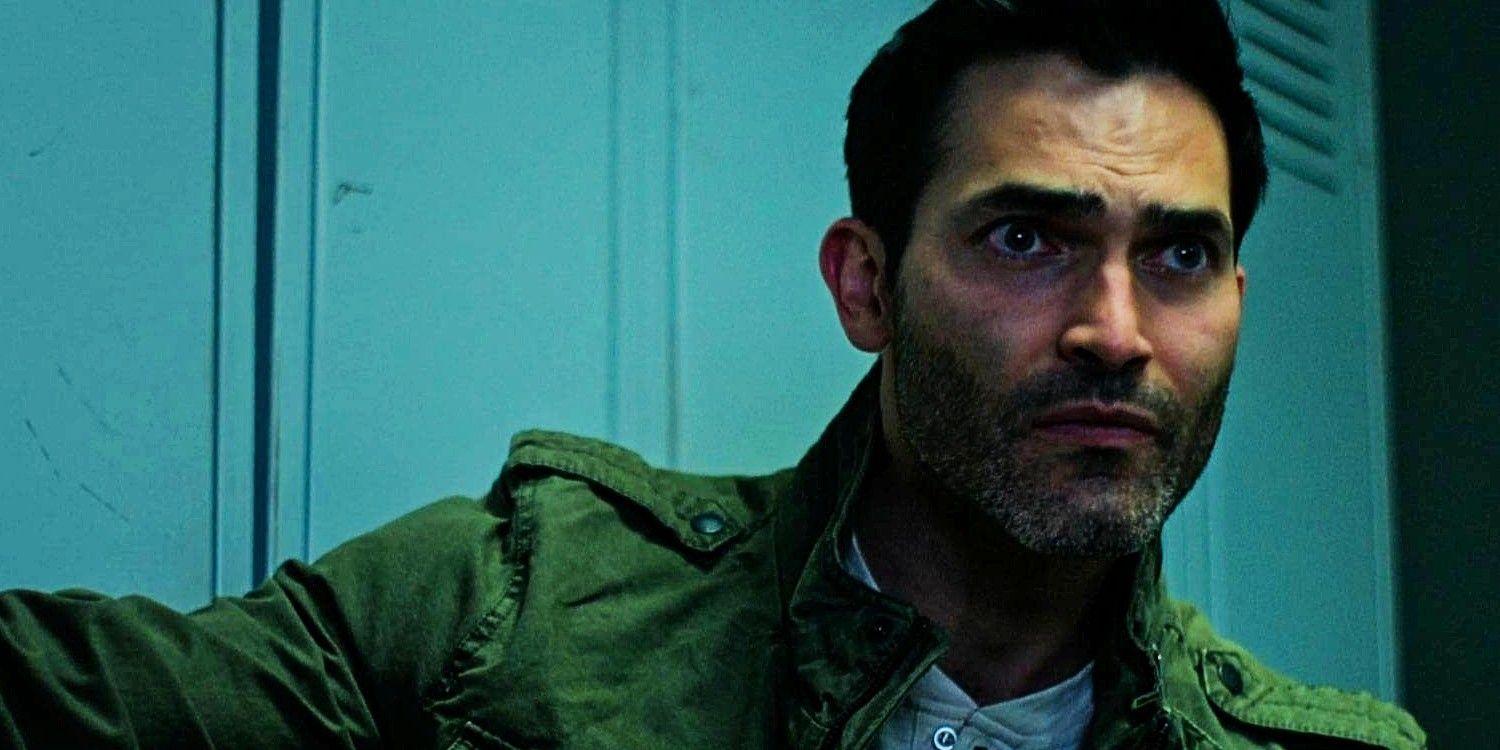
Teen Wolf Derek: The Reluctant Alpha, Analyzing Transformation, Trauma, and Legacy
Teen Wolf Derek: The Reluctant Alpha, Analyzing Transformation, Trauma, and Legacy
The journey of Derek Hale in MTV's Teen Wolf is one of the most complex evolutions in modern supernatural drama, moving from a feared antagonist to a tragic hero. As a werewolf defined by loss and rage, his character provides a lens to examine themes of pack dynamics, moral ambiguity, and redemption. This analysis delves into the narrative mechanics, performance, and cultural impact of one of the series' most iconic figures.
From his introduction as a brooding, vengeance-driven hunter to his eventual sacrifice, Derek Hale serves as the gravitational center of the first half of the series. Portrayed by actor Tyler Hoechlin, the character evolves through significant trauma, exploring how grief shapes identity and leadership. His story is not merely about supernatural abilities but about the psychological weight of responsibility and the struggle to overcome inherited violence.
The foundation of Derek's character is built upon tragedy, a catalyst that defines his entire arc. The Hale house fire, which kills his family and establishes his initial persona as a hostile survivor, is the event that sets his trajectory. This trauma is not a backstory but a continuous presence, influencing his decisions and relationships throughout the series.
His transformation into an Alpha werewolf is not just a physical upgrade but a symbolic representation of his internal state. The shift represents a embracing of his animalistic nature, often fueled by anger and a desire for control. This struggle between the rational human and the predatory beast is a core element of his character study.
**The Mechanics of a Werewolf**
Teen Wolf utilizes a unique set of rules for its supernatural creatures, and Derek Hale is central to exploring these mechanics. His werewolf physiology dictates much of the show's action and plot development. Understanding his abilities is key to understanding his role in the narrative.
* **Shapeshifting:** Derek possesses the standard werewolf abilities, including enhanced strength, speed, and accelerated healing. His control over his transformations, particularly his ability to partial-shift (e.g., claws, glowing eyes) is often used to convey his emotional state.
* **Alpha Powers:** As an Alpha, Derek can absorb the powers of other supernaturals by taking their lives. This "Alpha spark" is a critical plot point, establishing his status and the temptation it brings. He must also contend with the responsibilities of leadership, including the formation and protection of a pack.
* **Weaknesses:** Like other werewolves in the series, Derek is vulnerable to specific substances. Mountain ash creates a barrier he cannot cross, and wolfsbane weakens him significantly. These limitations serve to ground his power in a defined set of rules, creating tension in confrontations.
The application of these rules is often tied directly to Derek's emotional journey. His power fluctuates with his will, demonstrating that his mental state is as important as any external factor in his success or failure.
**The Evolution of an Alpha**
Derek's character arc is a study in leadership and identity. He begins as a lone wolf, distrustful of others and driven by a singular goal: revenge. His path forces him to build a pack, a concept that challenges his solitary nature and forces him to confront his past.
His leadership style is initially authoritarian and rooted in fear. He views the pack as a means to an end, a tool for survival in a world he perceives as hostile. However, as the series progresses, he learns the value of trust, loyalty, and shared purpose. This evolution is marked by several key relationships.
1. **Scott McCall:** The central relationship is with the human-turned-werewolf Scott. Derek serves as a mentor of sorts, teaching Scott the ways of the supernatural. This relationship is a mirror, reflecting Derek's own past and allowing him to confront the mistakes he made. He sees in Scott the potential for a different kind of leader.
2. **Allison Argent:** His romantic relationship with Allison is a source of both humanity and conflict. It forces him to choose between his pack and his family's legacy, representing a turning point in his moral compass. Their connection adds a layer of vulnerability to the otherwise stoic character.
3. **The Hale Family:** His interactions with his surviving family members—particularly his uncle Peter and his sister Laura—are crucial to understanding his motivations. His desire to protect them and avenge them drives much of his early action, showcasing the dual nature of his loyalty.
These dynamics illustrate Derek's shift from a warrior defined by the past to a protector invested in the future. His journey is one of relinquishing control and finding strength in unity, a powerful message about the nature of found family.
**Performance and Portrayal**
Tyler Hoechlin's performance is the physical embodiment of Derek's internal struggle. He effectively conveys a wide range of emotion without relying solely on dialogue. His ability to switch between intimidating intensity and quiet vulnerability is central to the character's appeal.
Hoechlin's physicality is a significant part of the portrayal. He conveys Derek's imposing presence through posture and movement, making every confrontation feel weighty. His subtle expressions, particularly his eyes, communicate the character's pain, anger, and eventual resolve. The actor has stated in interviews the appeal of the character's complexity.
> "Derek is a character who is so layered. You're constantly peeling back the onion. There's this tough exterior, but you get to these really tender, vulnerable places pretty quickly. That's what's so interesting to play," Hoechlin remarked in a 2013 interview.
This balance of toughness and sensitivity allows the audience to connect with a character who could easily have been a one-dimensional brooder. Hoechlin's commitment to the physical role, including the rigorous process of applying prosthetics and contact lenses, underscores the dedication required to bring such a character to life.
**Cultural Impact and Legacy**
Derek Hale has left an indelible mark on popular culture. He represents a specific archetype—the cursed romantic werewolf—reimagined for a new generation. His influence can be seen in subsequent portrayals of similar characters in other fantasy series. The character's popularity cemented Teen Wolf's status and turned Hoechlin into a teen idol.
The character's legacy extends beyond mere popularity. Derek's story provided a framework for discussing serious themes in a genre often dismissed as pure entertainment. Issues of grief, survivor's guilt, and the burden of leadership are explored through the lens of the supernatural. He is a cautionary tale about the dangers of letting trauma dictate one's future, and a testament to the possibility of change.
His departure from the series in the later seasons was a significant moment, marking the end of an era. Even in his absence, his impact on the story and the other characters remains profound. Derek Hale stands as a testament to the show's ability to create rich, multidimensional characters that resonate long after the final episode.
Related Post
Teen Wolf Derek Hales Teen Years Explored: From Shy Teen To Alpha Icon