Tehachapi CA: How This High Desert City Is Rewriting the Rules of Wind, Water, and Economic Survival
Tehachapi CA: How This High Desert City Is Rewriting the Rules of Wind, Water, and Economic Survival
Perched at the crest of a formidable mountain pass, Tehachapi, California, functions as both a literal and symbolic gateway between Central Valley agriculture and the high desert plains. For decades, the city has been defined by its iconic wind farms and a rugged independence born of geographic isolation. Today, Tehachapi is at a pivotal junction, where the push for renewable energy expansion collides with the realities of water scarcity and housing affordability, forcing a fundamental redefinition of its economic identity. This is the story of a community attempting to harness its natural resources to build a sustainable future while navigating the complex legacy of the industries that built it.
The history of Tehachapi is inextricably linked to the rails and the wind. Long before the turbines dominated the skyline, the city’s destiny was shaped by the arrival of the Southern Pacific Railroad in the late 19th century. The railroad used the Tehachapi Loop, a remarkable engineering feat, to conquer the steep grades of the Tehachapi Mountains, transforming the area from a remote frontier into a vital transportation corridor. This legacy of connection and utility laid the groundwork for the city’s next great transformation. In the early 1980s, developers recognized the consistent, powerful winds sweeping through the pass, and what was then a fledgling wind farm quickly grew into one of the earliest and largest concentrations of wind power in the United States.
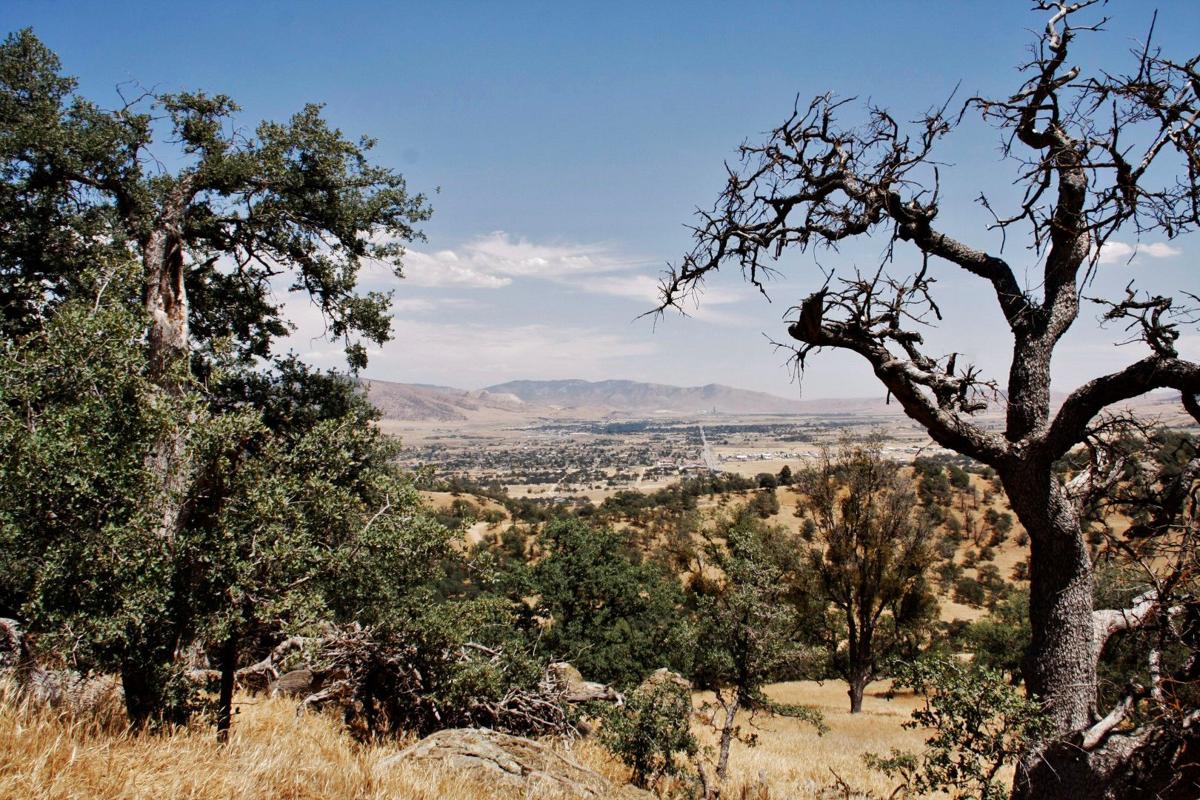
The physical landscape of Tehachapi is defined by its geography, which dictates the rhythm of life for its residents. The city sits at an elevation of approximately 3,500 feet, a high desert environment characterized by wide-open spaces, dramatic sunsets, and a distinct sense of space. The primary economic engine visible from almost any vantage point is the wind farm. Rows upon rows of turbines, some towering over 400 feet into the air, turn constantly, a testament to California’s ambitious renewable energy goals. However, the environment also presents significant challenges, particularly concerning water. Situated in a region of relative aridity, the city and its surrounding agricultural areas rely on a fragile balance of imported water from the Sacramento-San Joaquin River Delta and local aquifers.
According to local historian and author of "Tehachapi: The Wind and the Wire," Dr. Aris Thorne, the city’s identity is built on a "persistent adaptation." "Tehachapi has always been a place of transition," Thorne explains. "First, it was a break in the mountains for the railroad, a place to switch engines and conquer the grade. Then, it became a place to harness the wind for electricity. Now, we are in another period of adaptation, trying to balance growth, resources, and the very thing that makes us attractive: the open space and wind." This sentiment is echoed in the community’s pragmatic approach to its future.
The modern economy of Tehachapi is a patchwork of legacy industries and emerging sectors. While the wind farms remain a significant employer, providing maintenance and technical jobs, the city has actively courted logistics and manufacturing, leveraging its central location and transportation infrastructure. The proximity to major distribution centers in the Inland Empire and the presence of the Tehachapi Municipal Airport have made the area attractive for light industrial operations. Furthermore, the agricultural heritage of the surrounding county has not disappeared; rather, it has evolved. Local farms increasingly focus on high-value crops suited to the climate, and the region is gaining a reputation for its burgeoning wine country, with a number of boutique wineries establishing themselves in the nearby hills.
As the city grows, it faces the same pressures as many communities in California: the escalating cost of living and the urgent need for housing. The population has been steadily increasing, drawn by the relatively affordable cost of living compared to coastal cities and the appeal of the high desert environment. However, this growth has strained existing infrastructure and led to a critical shortage of developable land and available homes. City officials are caught between the desire to manage growth responsibly and the economic necessity of attracting new residents and businesses. "We are at a crossroads," says Maria Lopez, a long-time Tehachapi city council member. "We have a unique quality of life here, but we must ensure that our workforce, from the engineers at the wind farms to the teachers and nurses at the hospital, can actually afford to live in the community they serve. Our master plan is entirely focused on that balance."
The conversation in Tehachapi is increasingly dominated by the concept of a "circular economy," where the goal is to minimize waste and make the most of existing resources. This is particularly relevant when discussing the city’s relationship with water. With the Colorado River facing prolonged drought conditions, the pressure on local water agencies is immense. This has spurred interest in water recycling projects and more efficient irrigation techniques for the surrounding farms. The city is also investing in its aging infrastructure, from roads to water lines, recognizing that maintenance is no longer just about preserving the past but enabling the future. The challenge is funding these necessary upgrades in a environment where state and federal grants are competitive and local tax bases are limited.
Looking ahead, Tehachapi’s strategic location will likely become even more critical. As California pushes toward its goal of 100% clean energy, the Tehachapi Pass is already a crucial corridor for transmission lines moving renewable power from the desert to the population centers. The city is positioning itself as a hub for the "green economy," not just through wind energy but through its potential role in supporting electric vehicle infrastructure and battery storage facilities. The convergence of renewable energy, logistics, and its position as a gateway to the region creates a unique economic proposition. The success of Tehachapi in the coming decade will depend on its ability to manage its most precious resources—its people, its water, and its land—while harnessing the very wind and sun that have long defined its landscape. The town that once powered the expansion of the nation now finds itself at the epicenter of a new kind of transformation, one that will determine whether it can thrive in the 21st century just as it did in the 19th.
Related Post
Tehachapi, Ca Your Complete Guide To The County

Tehachapi’s Weather Station Ca 93561 reveals how one small marker holds the key to regional climate resilience

Tehachapi Oasis: Is Living in the Desert’s Quiet Refuge Truly Safe?