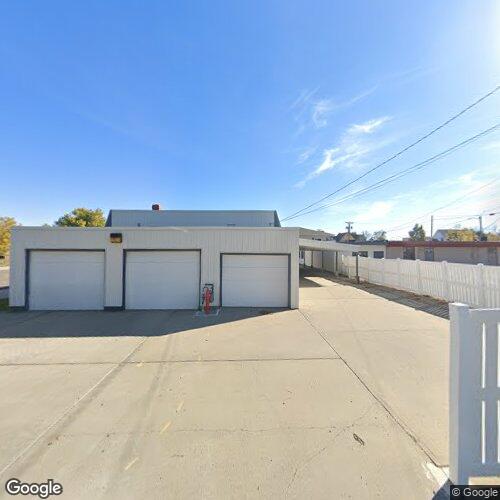
The Amite Jail Amite Louisiana: Inside the Tangipahoa Parish Detention Center
The Amite Jail Amite Louisiana: Inside the Tangipahoa Parish Detention Center
The Tangipahoa Parish Jail, commonly referred to as the Amite Jail, serves as the primary short-term detention facility for individuals arrested in Amite City and surrounding areas in Tangipahoa Parish, Louisiana. Located in the heart of Amite, this correctional institution processes arrests, holds inmates for arraignment, and manages a diverse population ranging from those awaiting trial to individuals serving short sentences. This article provides a factual overview of the facility’s operations, governance, programs, and role within the broader Louisiana corrections landscape.
Tangipahoa Parish is a jurisdiction with a population of over 130,000 residents, and the Amite Jail is a critical component of its criminal justice infrastructure. The facility must balance the constitutional requirements of detainee care with the operational needs of law enforcement agencies in the region. Understanding how this specific institution functions offers insight into the day-to-day realities of a rural parish jail in the Deep South.
Governance and Oversight
The Amite Jail is operated by the Tangipahoa Parish Sheriff’s Office, placing it under the direct authority of the elected Parish Sheriff. This structure is standard for parish-level correctional facilities across Louisiana. The Sheriff’s Office is responsible for staffing, budgeting, facility management, and establishing operational policies.
* **Sheriff’s Office:** The primary administrative body overseeing the jail.
* **Parish Government:** The governing body that allocates funding and sets broad policy frameworks.
* **State Oversight:** The Louisiana Department of Corrections (LDOC) does not directly manage the facility, as it is a parish facility, not a state prison. However, parish jails must adhere to state standards regarding safety, health, and inmate rights.
The governance model means that the priorities and resources allocated to the jail are often reflective of local political and community values. Public discourse regarding the facility typically focuses on these local dynamics, including budget hearings and sheriff elections.
Facility Capacity and Physical Infrastructure
The physical plant of the Amite Jail is designed to handle the fluctuating population of the parish. While specific bed counts can change based on renovations or expansions, parish jails typically operate near capacity to manage the intake of individuals processed through the local courts and law enforcement.
The facility generally includes:
1. **Booking and Processing Area:** Where inmates are fingerprinted, photographed, and logged into the system.
2. **Holding Cells:** Short-term confinement areas for individuals awaiting court appearance or transfer.
3. **General Population Dorms:** Housing for inmates serving short sentences or awaiting trial in a communal setting.
4. **Medical and Observation Units:** Designated spaces for inmates requiring medical attention or mental health monitoring.
The infrastructure must comply with the Americans with Disabilities Act (ADA) and the Prison Rape Elimination Act (PREA), though parish facilities often face challenges regarding aging infrastructure and funding for modernization.
Daily Operations and Procedures
The routine at the Amite Jail follows a structured protocol intended to maintain order and security. Inmate days are regimented, focusing on accountability and preparation for legal proceedings.
A typical daily schedule might include:
1. **Morning Headcount:** Security staff perform a count to ensure all inmates are accounted for.
2. **Meal Service:** Inmates are provided meals, often in a communal dining area.
3. **Recreation Time:** Inmates are usually granted time out of their cells, either in secured yards or indoor common areas, weather permitting.
4. **Programming and Classes:** Depending on resources, the facility may offer GED preparation, substance abuse awareness, or vocational training.
5. **Cell Checks:** Regular inspections of living areas to maintain hygiene and security.
Visitation is a key component of the jail’s operations. Inmates are typically allowed scheduled visits from family and legal representatives. These visits are monitored and often conducted through glass partitions to ensure safety.
Programs and Rehabilitation Initiatives
Modern correctional philosophy, even at the parish level, often emphasizes rehabilitation over mere punishment. The Amite Jail has implemented several programs aimed at reducing recidivism and preparing inmates for reintegration into society.
These programs frequently include:
* **Substance Abuse Treatment:** Recognizing the high correlation between substance abuse and incarceration, the facility may offer counseling or connect inmates with external recovery resources.
* **Educational Services:** Partnerships with local school districts or community colleges to provide GED preparation or basic literacy education.
* **Religious Services:** Access to chaplaincy services and multi-faith religious observances.
* **Pre-Release Planning:** Assistance with obtaining identification, securing employment contacts, and finding housing before release.
A spokesperson for the Tangipahoa Parish Sheriff’s Office noted the importance of these initiatives, stating, "We view the jail not just as a place to hold individuals, but as a facility that can contribute to breaking cycles of behavior. Providing education and support services is in the best interest of the parish, as it aims to reduce recidivism."
Health and Safety Considerations
Health care in a correctional setting is a complex and often scrutinized area. The Amite Jail is required to provide access to medical care for inmates, though the quality and immediacy of that care can vary.
Key health and safety considerations include:
* **Mental Health:** Providing adequate mental health support is a significant challenge. Jails often become de facto mental health institutions, requiring specialized training for staff and coordination with local health providers.
* **COVID-19 and Communicable Diseases:** Correctional facilities are vulnerable to outbreaks due to close quarters. The jail implements sanitation protocols and may adjust visitation rules during health emergencies.
* **Physical Safety:** Preventing violence, gang activity, and contraband smuggling is an ongoing duty for correctional officers.
Incident reports and public records requests filed with the Tangipahoa Parish Sheriff’s Office can provide data on use-of-force incidents and safety metrics, though detailed statistics are not always readily available in centralized public databases.
Community Impact and Challenges
The Amite Jail exists within the fabric of the Amite community. Its presence affects local employment, as the facility requires correctional officers, administrative staff, and medical personnel. Furthermore, the jail plays a role in the broader economic landscape, particularly in relation to the courthouse located in Amite.
The facility faces several ongoing challenges:
* **Funding:** Like many parish jails, it operates on a budget that can be constrained by fluctuating tax revenues.
* **Staffing:** Recruiting and retaining qualified correctional officers is a nationwide issue, often exacerbated by rural locations.
* **Population Dynamics:** The jail must manage a diverse population, including individuals with severe mental illness or those detained on low-level misdemeanor charges, which can create management complexities.
Understanding the Amite Jail requires looking at it as a node in a larger criminal justice network. It interacts with the 22nd Judicial District Court, the Tangipahoa Parish District Attorney's office, and the Louisiana Department of Public Safety and Corrections. The decisions made at these higher levels—such as prosecutorial policies or parole guidelines—directly impact the daily population and workload of the jail in Amite.
The Future of Detention in Tangipahoa Parish
The future of the Amite Jail is subject to evolving legal standards and community expectations. There is a growing national dialogue about jail reform, focusing on reducing unnecessary incarceration, improving mental health services, and ensuring fair treatment for all detainees.
Potential areas of evolution for the facility might include:
* **Alternative Sentencing:** Expanding drug courts or community service programs to divert low-risk offenders from incarceration.
* **Technology Upgrades:** Implementing electronic monitoring or improved data systems to manage the facility more efficiently.
* **Transparency:** Increasing public access to data regarding jail population, health outcomes, and use-of-force incidents to build community trust.
The trajectory of the Amite Jail will depend on the priorities set by the elected officials of Tangipahoa Parish and the resources allocated to the facility. As the primary detention center for the area, its operations will continue to be a focal point for discussions regarding public safety, justice, and community welfare in Amite and the surrounding parishes.
Related Post

Unveiling the Stunning Net Worth of Venita Aspen: A Detailed Journey

The Dark Web's Hidden Gem: Uncovering Anonib Nh's Cyber-Anonimity Solutions

Unveiling the Legacy of R.G. Jones: An American Music Icon

<strong>Saturn Conjunct North Node: The Spiritual Significance and Challenges of Karmic Realignment</strong>