The Aroace Meaning Spectrum: Defining Aromantic Asexuality in Modern Identity Discourse
The Aroace Meaning Spectrum: Defining Aromantic Asexuality in Modern Identity Discourse
The term "Aroace" serves as a concise self-descriptor for individuals who experience both aromanticism and asexuality, reflecting a spectrum of human relationship and attraction dynamics. This identity challenges conventional frameworks that prioritize romantic and sexual partnerships as default life goals. Understanding the Aroace meaning requires examining how language evolves to capture nuanced experiences of detachment from societal expectations, providing valid representation for those who exist outside dominant cultural norms.
The emergence of "Aroace" as a recognized identity represents a significant development in LGBTQ+ discourse, offering a specific label for a distinct configuration of orientations. Unlike broader terms like "ace" (asexual) or "aro" (aromantic), Aroace explicitly denotes the simultaneous presence of both characteristics. This specificity allows for more precise communication about needs, boundaries, and lived experience, filling a lexical gap that previously forced individuals into inadequate categorizations or assumptions of overlapping but distinct identities.
Aromanticism, as a concept, describes the absence or minimal experience of romantic attraction, differentiating it from the declining capacity for platonic "crushes" or deep emotional bonds, which Aroace individuals can certainly experience. Asexuality, similarly, refers to a persistent lack of sexual attraction to others. When combined, these orientations create a unique life framework where traditional milestones—dating, marriage, sexual exploration—are not merely undesirable but often inconceivable or irrelevant. The Aroace meaning, therefore, is not a void but a distinct landscape of connection, potentially centered on queerplatonic relationships, deep friendships, familial bonds, or individual pursuits.
Deconstructing the Term: Etymology and Identity Specificity
The portmanteau "Aroace" is a linguistic innovation born from online LGBTQ+ communities, demonstrating how digital spaces accelerate identity formation and vocabulary. It functions as both an adjective and a noun, allowing individuals to say "I am Aroace" or "That person is an Aroace friend," encapsulating a dual orientation in a single, efficient term. This linguistic economy is vital in a world where constantly explaining "I don't experience romance or sex" can be exhausting.
* **Aro-**: Derived from "aromantic," indicating a lack of romantic orientation. This doesn't preclude the capacity for love, but frames it outside the romantic/partnered paradigm.
* **-ace**: Short for "asexual," indicating a lack of sexual orientation or attraction. This exists on a spectrum from complete absence to rare or conditional experiences.
The specificity of Aroace is its strength. While an asexual person might experience romantic attraction (e.g., a heteroromantic asexual seeks a romantic partner but not sex), and an aromantic person might experience sexual attraction (e.g., an Allosexual aromantic seeks sex without romance), the Aroace individual experiences neither in the typical culturally-driven way. As researcher and advocate Dr. Laura Erickson-Schroth notes in discussions on spectrum identities, "Labels are tools for self-understanding and communication. An Aroace identity provides a crucial framework for individuals whose inner reality doesn't align with the romantic-sexual script, allowing them to find community and articulate their needs without constant justification."
The Lived Experience: Beyond Absence, Toward Authentic Connection
Understanding the Aroace meaning necessitates moving beyond defining what is absent (romance and sex) to appreciating what is present. An Aroace person’s life is not defined by a lack but by a unique configuration of values, connections, and passions. They navigate a world heavily structured around coupledom and sexualization, requiring constant navigation and, often, justification.
Key facets of the Aroace experience include:
1. **Relationship Structures:** Aroace individuals often form deep, committed bonds known as Queerplatonic Relationships (QPRs). These relationships exceed typical friendship in commitment and structure but are not romantic. They might involve shared living, financial partnership, long-term mutual support, and social recognition as a "unit," fulfilling needs for chosen family and intimate companionship without romance.
2. **Social Navigation:** Aroace people frequently encounter misunderstanding. Questions like "Have you met someone special?" or assumptions that they are "just going through a phase" or "too young" to have realized their orientation are common. They may feel alienated in spaces heavily focused on dating, marriage, and sexual relationships, such as weddings or certain social gatherings.
3. **Identity Integration:** For many, identifying as Aroace is a profound relief. It validates feelings of difference and provides a community. Online forums, social media groups, and local LGBTQ+ centers (when inclusive) offer spaces for connection, resource sharing, and validation. As one Aroace individual shared in an anonymous online testimonial, "Finding the word 'Aroace' was like finding a mirror. It explained why I always felt like an outsider at relationship advice columns and why the idea of a 'soulmate' never resonated. It wasn't a deficit; it was just… me."
4. **Intersection with Other Identities:** Aroace identity does not exist in a vacuum. It intersects with gender identity, sexual orientation (beyond asexuality, one might be trans, non-binary, etc.), race, disability, and neurodiversity. These intersections shape unique experiences of privilege and marginalization. An Aroace person of color, for example, navigates both racial prejudice and misunderstandings about their orientation/romance stance.
Distinguishing Aroace from Related Identities
To fully grasp the Aroace meaning, it is essential to differentiate it from other identities on the asexual and aromantic spectra:
* **Asexual (Ace):** An umbrella term for people who experience little to no sexual attraction. This includes Aroaces, but also Demisexuals (sexual attraction only after strong emotional bonds) and other ace-spec individuals who may or may not experience romantic attraction.
* **Aromantic (Aro):** An umbrella term for people who experience little to no romantic attraction. This includes Aroaces, but also Allosexual aromantics who experience sexual attraction without romantic attraction.
* **Gray-ace / Gray-aro:** Individuals who identify somewhere between asexual/aromantic and sexual/romantic. They might experience attraction very rarely, under specific conditions, or be unsure of their position on the spectrum. An Aroace person is certain of their position at the aro and ace end of these spectra.
* **Apathetic or Aromantic-Asexual vs. Trauma:** It is a harmful misconception to assume Aroace identity is always rooted in past trauma or social failure. While trauma can impact one’s relationship with intimacy, asexuality and aromanticism are recognized innate orientations, not pathologies or recoverable states. The Aroace meaning is one of inherent identity, not inherited damage.
The Significance of Language and Visibility
The creation and adoption of the Aroace label underscore a fundamental truth about minority identities: language is power. Having a word to describe one’s reality fosters self-acceptance, builds community, and educates the broader public. Visibility is a double-edged sword; increased awareness combats erasure but can also invite scrutiny. However, the existence of a term like Aroace challenges monolithic narratives about human connection.
Media representation remains sparse, often flattening complex identities into stereotypes or plot devices. Accurate representation of Aroace individuals—portraying them as valid, happy, and thriving without needing to be "fixed" or convinced otherwise—is crucial. As activist and writer Julie Sondra Decker asserts in her work on the invisible orientations, "The fact that a word exists is a victory. It means that someone, somewhere, felt that existing word was not enough to describe the intricate reality of their heart and mind." The Aroace meaning is, in part, a testament to the ongoing diversification of human identity language, allowing for a more precise and compassionate understanding of ourselves and others.
Related Post

Discover the World of Luxury: Uncovering the Hidden Gems of Shopping Malls in Saudi Arabia

Mark Zuckerberg's AI Photo on Knees: A Glimpse into the Future of Photography?
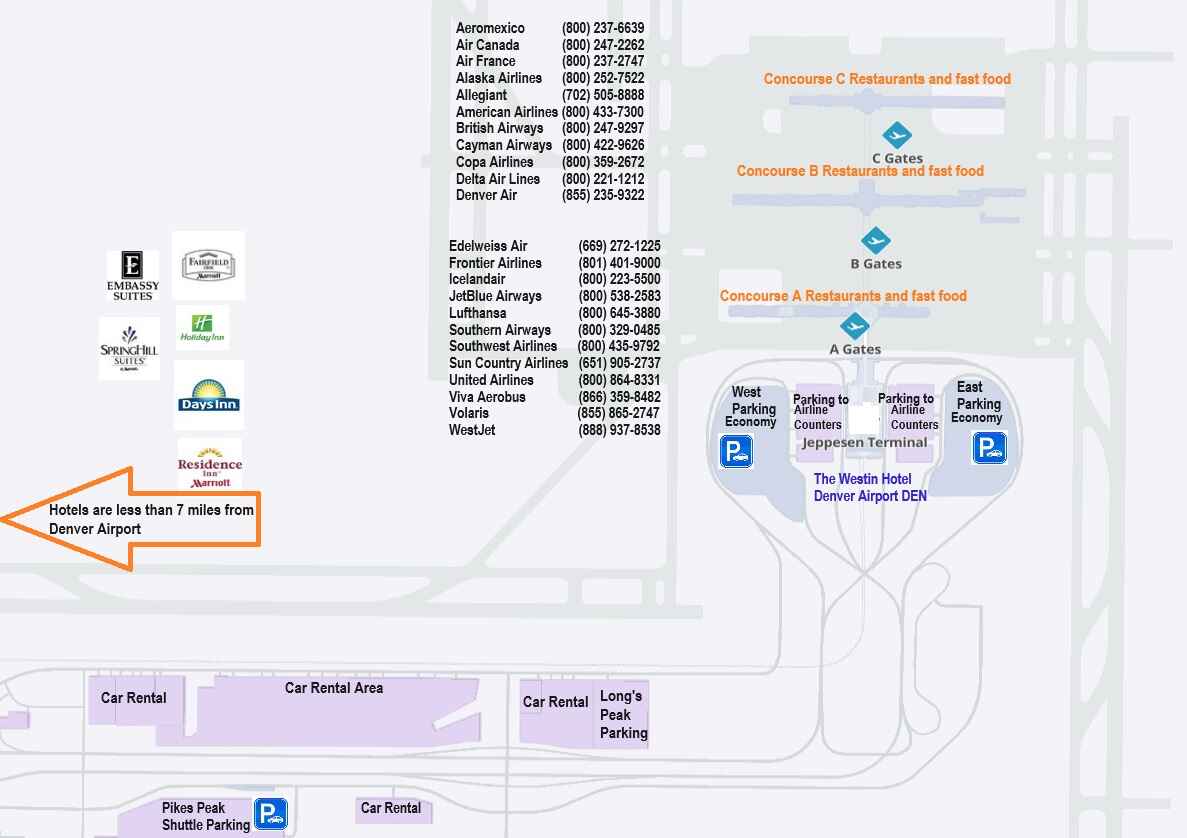
Terminal A at Denver Airport: Your Ultimate Guide

Uscis National Benefits Center Reviews: Uncovering the Truth Behind the Nation's Largest Immigrant Visa Processing Center