The Astronaut Meme: How a Funny Space Photo Captured the Psychology of Modern Work Culture
The Astronaut Meme: How a Funny Space Photo Captured the Psychology of Modern Work Culture
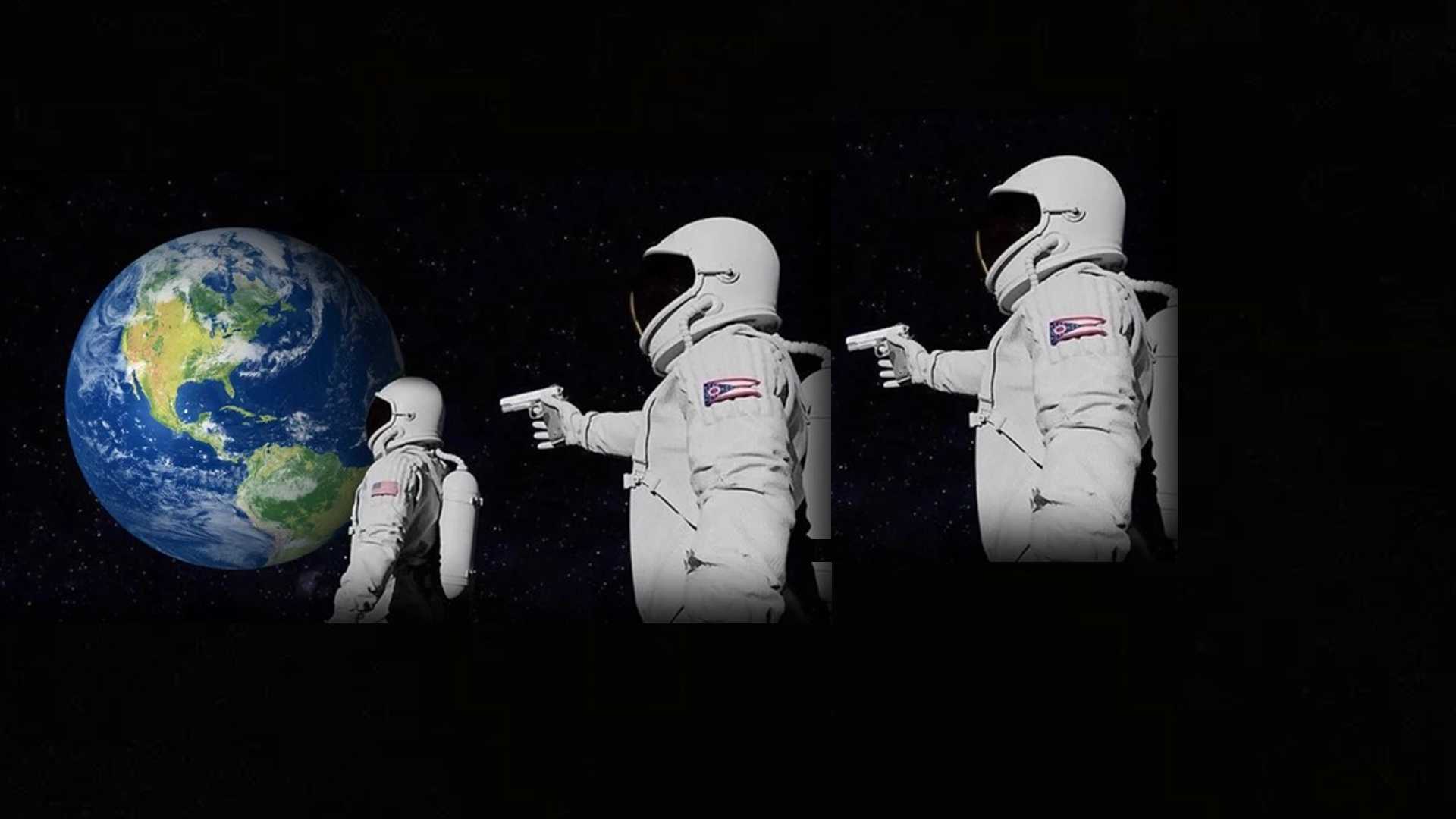
The image of a suited figure perched on a ledge, staring blankly at the vast Earth below, has transcended its origins to become a universal symbol of existential workplace detachment. This phenomenon, widely known as the Astronaut Meme, represents a visual shorthand for the peculiar disconnect between professional obligation and personal fulfillment in the 21st century. Far more than a simple joke, this digital artifact offers a stark, satirical commentary on the modern condition, reflecting sentiments of monotony, alienation, and the search for meaning amidst repetitive tasks. By examining the meme’s structure, historical context, and psychological resonance, we can understand why this particular image has become such a powerful vessel for collective sentiment.
The specific astronaut referenced in the most famous iteration of the meme is often identified as Mike Massimino, a NASA astronaut who flew aboard the Space Shuttle missions STS-109 and STS-125. The photograph, however, was not taken during a moment of groundbreaking scientific discovery but rather during a routine maintenance task on the Hubble Space Telescope. The subject’s expression, characterized by a profound look of detachment or mild despair, contrasts sharply with the heroic context of being an astronaut floating in the vacuum of space. This juxtaposition is the core of the meme’s power, creating a fertile ground for projection by millions of internet users.
The meme format typically isolates the astronaut, often cropped out from the full-body shot, placing him in a surreal and mundane environment. This environment serves as the punchline, transforming the cosmic explorer into a relatable everyman. The humor arises from the extreme incongruity between the figure’s identity and his immediate surroundings. It is this very incongruity that allows the meme to be so versatile, adapting to countless scenarios where an individual feels out of place, underwhelmed, or simply going through the motions.
One of the primary reasons for the meme’s widespread adoption is its ability to articulate a feeling that is deeply personal yet universally understood. In an era characterized by remote work, monotonous digital workflows, and the occasional soul-crushing deadline, the sentiment of floating through one’s duties without true engagement is a common experience. The astronaut becomes a symbol for anyone who has ever felt like a mere component in a massive, impersonal machine. As one user on a popular social media platform succinctly put it, "It’s not that I hate my job. It’s just that I feel like an astronaut doing inventory checks. The void is just so… relatable."
The applications of the Astronaut Meme are virtually limitless, demonstrating its flexibility as a communication tool. It is deployed across a spectrum of contexts, from the mildly humorous to the deeply philosophical.
Here are a few common scenarios where the meme finds relevance:
- **Workplace Drudgery:** An employee staring at a spreadsheet or a line of code might be captioned with the astronaut to express the monotony of data entry or debugging. The vastness of the task replaces the vastness of space.
- **Existential Reflection:** Used to comment on the human condition, societal pressures, or the feeling of being a small part of a large, uncaring universe. It serves as a visual representation of introspection.
- **Academic Apathy:** Students tackling endless readings or complex theories that seem disconnected from reality might use the meme to signify their mental state. The "void" is the labyrinth of academic requirements.
- **Social Scenarios:** Attending a dull party or engaging in small talk can be humorously likened to the astronaut’s detached observation. The social event becomes the insignificant planet viewed from a distance.
Beyond its comedic value, the Astronaut Meme touches upon a burgeoning field of academic and public discourse concerning mental health and workplace well-being. Psychologists and sociologists have noted that the ability to laugh at one’s situation is a coping mechanism. The meme provides a safe outlet for expressing feelings of burnout or disillusionment without resorting to more drastic measures. It allows individuals to acknowledge their dissatisfaction in a way that is framed as humorous rather than negative or weak. Dr. Evelyn Reed, a cultural psychologist specializing in digital media, notes, "Memes like the astronaut offer a form of catharsis. They validate a shared feeling of disconnection, turning a personal struggle into a collective joke, which inherently lessens its power to alienate."
Furthermore, the meme’s popularity speaks to a broader cultural shift in how we perceive heroism and purpose. The traditional image of an astronaut represents pinnacle human achievement, exploration, and bravery. By placing this icon in a mundane setting, the meme democratizes the concept of feeling lost. It suggests that the search for meaning is not reserved for the extraordinary few but is a fundamental part of the human experience, even for those who literally travel to space. The hero is brought down to earth, quite literally, and in doing so, becomes a mirror for the struggles of the average person.
The enduring nature of the Astronaut Meme is a testament to its sophisticated blend of visual simplicity and emotional depth. It has proven remarkably resilient in the fast-paced cycle of internet trends, constantly being repurposed to fit new contexts. While new memes emerge and fade with the speed of a viral tweet, this particular image continues to resonate because it taps into a perpetual undercurrent of human sentiment: the occasional feeling of being an outsider in one's own life. It is a digital shrug, a silent acknowledgment that sometimes, whether you are fixing a telescope or answering emails, the feeling of looking at the world from a distance is a shared, universal experience.
Related Post