The Blood, Sweat, and Debt: How Jamestown Forged a Nation Against All Odds
The Blood, Sweat, and Debt: How Jamestown Forged a Nation Against All Odds
The story of Jamestown is not one of noble pilgrims seeking freedom, but of desperate commercial investors and unruly soldiers facing annihilation. Founded in 1607, it was the first permanent English settlement in the Americas, a chaotic venture that nearly failed within a year. Through a brutal struggle for survival, conflict with Native nations, and the tragic birth of slavery, Jamestown laid the political and economic groundwork for the United States.
When three ships—the Susan Constant, the Godspeed, and the Discovery—nose-dived into the brackish waters of the James River in April 1607, 104 men and boys stumbled ashore to begin what would become a brutal experiment in colonization. Unlike the later Pilgrims at Plymouth, these settlers were overwhelmingly single men, artisans, and gentlemen unaccustomed to physical labor, sent by the Virginia Company of London to find gold and a passage to the Pacific. What they found was a tangled wilderness and a profound test of endurance that would define the American colonial experience for centuries to come.
The idealistic vision of the venture’s backers collided violently with the grim reality of the New World. The site itself, chosen for its deep-water harbor and defensive potential, was a lethal trap. It was a swampy peninsula with brackish water, rampant mosquitoes, and soil poorly suited for the European-style agriculture they understood. Their initial interactions with the powerful Powhatan Confederacy, a network of tribes led by Chief Wahunsenacawh (often known as Chief Powhatan), were marked by mutual misunderstanding and suspicion rather than cooperation.
The first year, known as "the Starving Time," was a descent into hell. Lured by the fantasy of instant wealth, most men spent their days searching for precious metals instead of planting crops or building proper shelters. The fort’s rigid military structure, designed for combat against Spanish rivals in the Caribbean, proved disastrous in the new environment. Disease, malnutrition, and internal discord ravaged the group. Of the original 104 settlers, only 38 lived to see the autumn of 1608. Captain John Smith, one of the few pragmatic leaders, later recounted the horrifying choices people were forced to make, stating, "We were… driven to that extremity, that out of fifty persons… scarce ten remained alive… we ateadoes, cats, rats, mice, and whatsoeuer we could get."
Salvation arrived not from the heavens, but in the form of a pragmatic partnership with Pocahontas and her people. Pocahontas, the daughter of Chief Powhatan, played a far more complex role than the romanticized Disney character suggests. Her initial acts of bringing food to the starving colonists likely saved the settlement from complete collapse. This lifeline, however, was part of a delicate and often-violent negotiation of power between the English interlopers and the established indigenous societies. The relationship was fragile, built on mutual necessity rather than trust, and it eventually fractured under the weight of English expansion and cultural arrogance.
The true turning point for Jamestown came with the cultivation of tobacco. In 1612, colonist John Rolfe successfully cultivated a sweeter variety of tobacco from the Caribbean, creating a crop that European consumers craved. This single crop transformed the colony from a struggling outpost into a booming economic engine. The labor-intensive nature of tobacco farming created an insatiable demand for workers, a need that the Virginia Company initially met by encouraging indentured servitude. Poor Europeans, paying for their passage to the New World by signing contracts for years of labor, arrived in large numbers. While they gained their freedom (and sometimes a small parcel of land) after their term, the system was brutal and deadly.
This labor model, however, was insufficient for the massive estates, or plantations, that began to dominate the Virginia landscape. The solution was a shift toward permanent, race-based chattel slavery. By the 1660s, the colony had solidified laws that stripped enslaved Africans of their legal rights and codified the notion that slavery was a permanent, inherited condition. This system, born in the tobacco fields surrounding Jamestown, became the engine of the Southern economy and a foundational pillar of American society, creating a racial caste system that echoed for centuries.
As the colony’s economic importance grew, so did its political ambition. The Virginia House of Burgesses, established in 1619, is often celebrated as the birthplace of representative government in America. This assembly of elected landowners was indeed a crucial step toward self-governance, but it is vital to understand its exclusivity. It was not a democratic body for all inhabitants; it was a forum for wealthy planters to assert their local authority against the directives of the English crown. This push for local control against distant imperial power would become a recurring theme in American history.
Jamestown’s physical dominance was cemented in 1699 when the capital was officially moved from the unhealthy Jamestown peninsula to Middle Plantation, which was soon renamed Williamsburg. By then, the original settlement had largely faded into the landscape, its fort eroded by the river and its structures crumbling. For centuries, its exact location was lost to history, buried beneath the earth and the myth of the "Lost Colony."
The rediscovery and excavation of Jamestown in the 1990s by archaeologists from Preservation Virginia and later the Jamestown Rediscovery project have revolutionized our understanding of the settlement. Modern archaeology has stripped away decades of romantic myth, revealing the harsh truth of life there. The remains of the original fort were found, along with the skeletons of early colonists who perished during the Starving Time, providing forensic evidence of the desperation they endured. Artifacts such as tools, pottery, and even the remnants of armor offer a tangible, unvarnished look at the daily struggle for existence.
Today, the Jamestown Settlement and Historic Jamestowne stand as powerful, if complex, historical sites. They serve as a living museum and an active archaeological dig, forcing visitors to confront the multifaceted legacy of that first, fateful English settlement. Jamestown is no longer just a footnote in a heroic national story; it is a primary source for understanding the violent birth of a nation. It is a place where the brutal realities of conquest, the devastating cost of greed, and the resilient, often tragic, origins of American democracy are laid bare for anyone willing to look beyond the textbook simplifications.
Related Post
Chips Actor Dies: The Unforeseen Passing That Shook the Entertainment World

At What Age Was Lisa Marie Kubikoff Shaping a Legacy That Stands the Test of Time?

Luciane Buchanan Husband Name: The Quiet Strength Behind a Rising Star
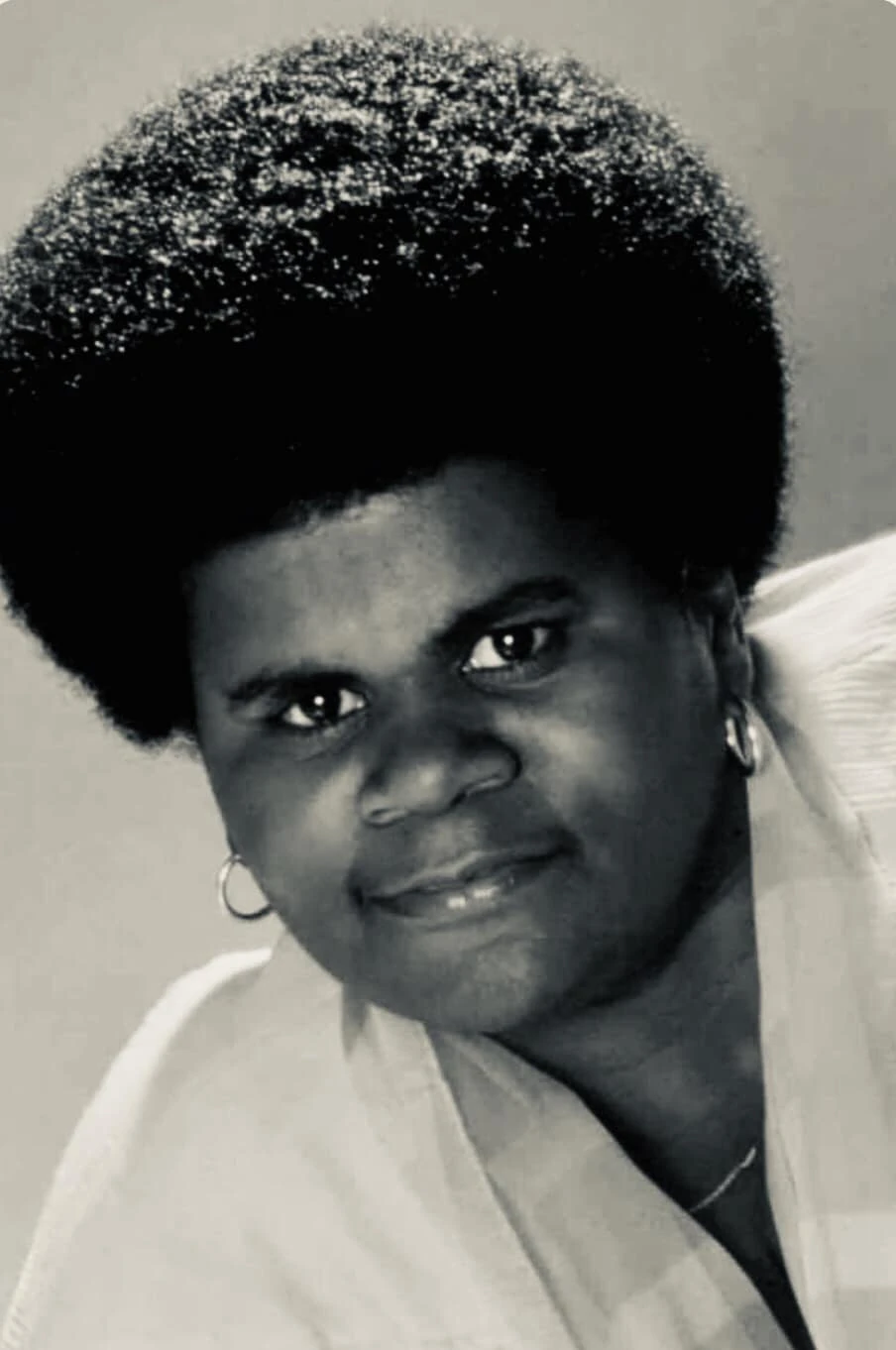
Whits Happening: The Prolific Journey of Shirley Hemphill, a Theater and Film Luminary


