The Boston Silver Line: Unraveling the Truth Behind the Bus Rapid Transit Hype
The Boston Silver Line: Unraveling the Truth Behind the Bus Rapid Transit Hype
The Boston Silver Line stands as the region's flagship bus rapid transit corridor, promising subway-like speed and efficiency through dedicated lanes and off-board fare collection. Yet, a decade after its initial launch and amid ongoing debates about performance, the service continues to grapple with the realities of mixed-traffic operations and capacity constraints. This article examines the history, operational realities, and future trajectory of the Silver Line, separating ambitious planning goals from the on-the-ground experiences of daily commuters.
When the Boston Silver Line first debuted in 2002, it was heralded as a revolutionary step in urban transit, a "surface subway" designed to transform bus travel across the city's downtown and waterfront corridors. The service was conceived as part of a larger strategy to modernize public transportation, leveraging technology and infrastructure improvements to provide a faster, more reliable alternative to both cars and conventional buses. Operating out of a converted bus garage in South Boston, the two primary routes—the SL1 and SL2/SL3—were intended to connect key employment centers, residential areas, and cultural hubs, from Logan Airport and the Seaport District to Boston's Financial District and beyond.
The vision was clear: a high-performance bus network that could deliver speed, reliability, and comfort rivaling that of fixed-rail systems like the subway, but at a fraction of the cost and with greater flexibility. This ambition was rooted in the principles of bus rapid transit (BRT), a global movement designed to elevate bus service to a new level of efficiency and user-friendliness. Key features included dedicated bus lanes, off-board fare payment to minimize boarding delays, and specially designed stations with real-time information displays. For many city planners and advocates, the Silver Line represented the future of urban mobility in Boston, a pragmatic solution to congestion and environmental concerns in a historic city ill-suited for massive infrastructure overhauls.
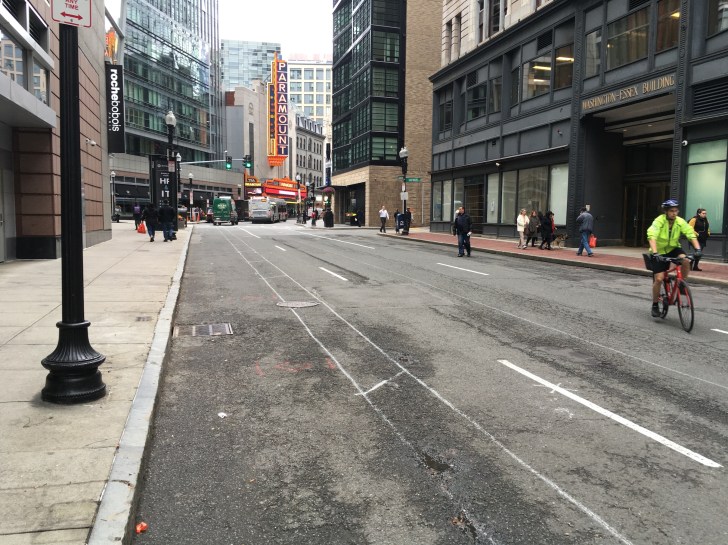
However, the transition from theory to practice has been fraught with challenges. The most significant obstacle has been the inability to fully implement dedicated bus lanes along the entire route, particularly in the congested Financial District and parts of South Boston. Traffic signals, general-purpose lanes, and the physical constraints of the urban streetgrid have frequently forced the Silver Line to compete with cars, trucks, and tourists on shared roads. This compromise has directly impacted one of the service's core promises—speed. While the Silver Line can be swift on its dedicated segments, such as the route through the Ted Williams Tunnel to Logan Airport, delays are commonplace in mixed-traffic zones, leading to unpredictable journey times and occasional bunching of buses.
The issue of fare collection, another cornerstone of the BRT model, has also proven complex. The Silver Line utilizes a proof-of-payment system with fare inspectors, a model intended to speed up boarding by allowing passengers to enter through all doors. In theory, this eliminates the bottleneck of a single fare collector at the front door. In practice, the system has been a point of contention. Passengers without valid transfers or CharlieTickets can be subject to fines, leading to confrontations and delays. Furthermore, the open-access nature of the system has made enforcement inconsistent, with some observers noting that boarding times can still be longer than on a traditional bus route, especially during peak hours when fare evasion is a higher concern.
The vehicles themselves have also been a subject of debate. The Silver Line operates a fleet of modified Nova Bus LFS vehicles, which, while modern and equipped with bike racks, are fundamentally buses, not rail-like cars. They lack the smooth, quiet ride and perceived prestige of a true subway train. Critics argue that the loud engines, noticeable suspension, and inherent instability of tires on pavement undermine the premium-service experience promised by the BRT branding. For many riders, the distinction between a "rapid bus" and a "faster bus" is subtle, and the premium fare—often equivalent to a subway ride—can be difficult to justify when faced with traffic delays.
These operational realities have fueled ongoing criticism and analysis. Transportation advocates and journalists have scrutinized the gap between the Silver Line's ambitious goals and its daily performance. Matt Rocheleau, a transportation reporter who has extensively covered the system, notes, "The Silver Line is a victim of its own success in some ways, and a victim of under-delivery in others. People appreciate the connectivity it offers, especially to the airport, but they are acutely aware of the delays and the fact that it doesn't always feel like the premium service the price suggests." This tension between connectivity and performance is a central theme in the Silver Line's story.
The financial and political dimensions of the Silver Line add another layer of complexity. The project was conceived under the legal and financial framework of the Big Dig, the massive highway project that reshaped Boston's landscape. Its funding streams, tied to bond expenditures for the tunnel work, have created a unique but sometimes precarious financial situation. This origin has also influenced its routing and priorities, with the initial focus on connecting the airport and downtown development corridors like the Seaport. Subsequent proposals to extend the line or create new routes, such as a corridor along Washington Street, have often stalled due to cost projections, political will, and questions about the return on investment compared to other transit needs.
Despite these challenges, the Silver Line remains a vital component of Boston's transit ecosystem. It moves thousands of passengers daily, providing a critical link for airport travelers, downtown workers, and residents in neighborhoods with limited rail access. Its evolution is ongoing, with the system undergoing changes such as the introduction of new, low-floor buses and adjustments to schedules in an attempt to improve reliability. The conversation surrounding the Silver Line has shifted from whether it was a mistake to how it can be incrementally improved. As one city planner involved in the early discussions reflected, "We were trying to build a new model on existing streets. It was always going to be a compromise, but the key is to learn, adapt, and get the most out of the infrastructure we have." The legacy of the Boston Silver Line is thus a testament to both the promise and the profound difficulty of transforming public transportation ambitions into tangible, day-to-day realities for a complex urban environment.
Related Post
The Ultimate Guide to Navigating the Boston Silver Line Schedule

Revolutionize Your Commute: The Power of Boston Silver Line Schedule


