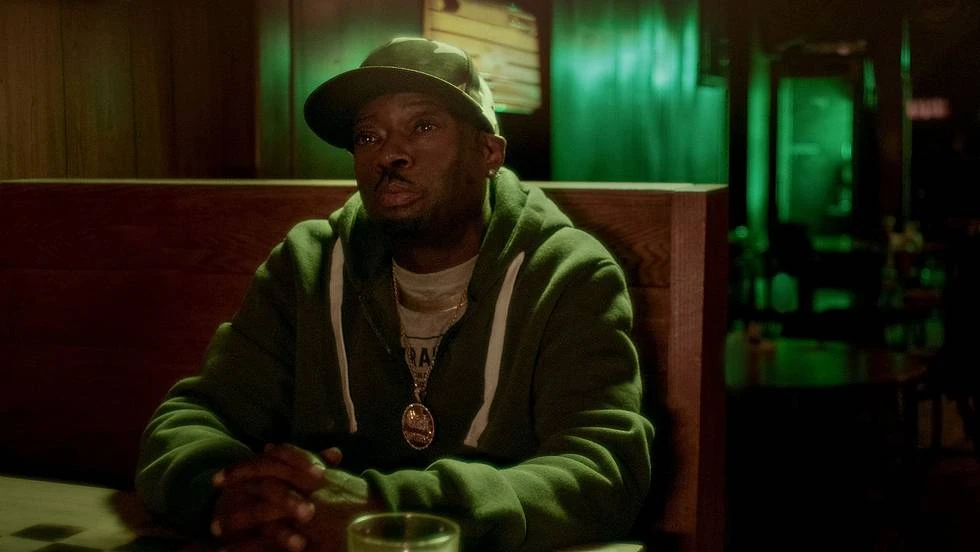
The Cast Of Origins Wolverine: Dissecting The Key Players Behind The Iconic Character’s Debut
The Cast Of Origins Wolverine: Dissecting The Key Players Behind The Iconic Character’s Debut
The journey of Wolverine from a niche comic book anti-hero to a global cinematic icon began with a calculated blend of star power and genre savvy. This article examines the principal cast responsible for bringing the character to life on the big screen for the first time in the 2009 film "X-Men Origins: Wolverine." By analyzing the performance of Hugh Jackman as the titular character and the supporting ensemble, including Liev Schreiber, Danny Huston, and Ryan Reynolds, we can understand how this specific creative team shaped the character's brutal origin story for a modern audience.
The film, directed by Gavin Hood, operates as a double-edged sword. On one side, it leverages the immense goodwill built by Jackman’s decade-long embodiment of the character across the preceding X-Men film series. On the other, it attempts to retrofit established X-Men lore into a standalone narrative that explains the unexplainable, often resulting in a tonal clash between gritty drama and comic-book excess. The casting choices were fundamental to navigating this delicate balance, determining whether the film would be a compelling prequel or a compromised necessity.
Hugh Jackman: The Relentless Center Of The Universe
Hugh Jackman’s portrayal of James Howlett/Wolverine remains the definitive live-action interpretation of the character. Tasked with carrying a film that needed to explore 150+ years of a character’s life, Jackman brought a physicality and emotional gravity that was largely absent from the source material’s pages. He did not simply play a grumpy; he embodied a creature defined by his animalistic rage and his desperate, centuries-long search for identity.
Jackman’s performance is a masterclass in physical commitment. His transformation into the Weapon X experiment is arguably the most drastic physical metamorphosis in mainstream cinema history. The adamantium bonding scene, where Jackman is strapped to a surgical table while his skeleton is reinforced with the indestructible metal, is a landmark in on-screen torture. He endures the process with a stoicism that sells the character’s resilience. Beyond the claws and the leather, Jackman imbues Wolverine with a surprising vulnerability. His relationship with Kayla Silverfox (Lynn Collins) provides the emotional core of the film. He portrays a man who has spent his life detached from humanity, only to find a semblance of normalcy and love, making his subsequent loss one of the film's most potent dramatic beats.
As the central pivot of the movie, Jackman’s charisma ensures that the audience remains anchored. Even when the script dips into convoluted territory, his sheer presence and commitment keep the narrative aloft. He is the anchor that holds the disparate elements of Wolverine’s chaotic origin together, proving that the character’s appeal rests as much on the actor as the mythos.
The Antagonists And Authority Figures: Power And Corruption
No origin story is complete without a formidable antagonist, and "X-Men Origins: Wolverine" delivers two distinct flavors of villainy in the forms of Victor Creed and Colonel William Stryker. These characters represent the brutal consequences of unchecked power, serving as dark mirrors to Wolverine’s own violent capabilities.
Liev Schreiber embodies Victor Creed, Wolverine's half-brother and the film’s primary antagonist. Creed is a brutal, sadistic force of nature, a soldier who revels in combat and torture. Schreiber’s performance is a fascinating counterpoint to Jackman’s. Where Wolverine is a feral animal shaped by trauma, Creed is an opportunistic predator who embraces his monstrous nature without regret. Schreiber brings a chilling, almost feral energy to the role, making Creed a physically imposing and emotionally despicable foe. His dynamic with Jackman is the film's driving conflict, rooted in a shared past that devolves into a bitter struggle for survival and paternal approval.
On the other side of the conflict stands Colonel William Stryker, played by Danny Huston. Stryker represents the cold, calculating face of institutional power. Huston’s performance is chilling in its calm, almost bureaucratic evil. He views mutants not as people but as tools or threats to be controlled and weaponized. His plan to create an army of super-soldiers, culminating in the creation of the near-unstoppable Deathstrike, positions him as the mastermind behind the very program that creates Wolverine’s berserker rage. Huston brings a greasy, duplicitous charm to the role, making Stryker a formidable opponent precisely because he lacks the brute force of Creed and instead wields authority and technology.
The Supporting Cast: Allies, Lovers, And Red Herrings
The success of an origin story relies heavily on its supporting cast, and "X-Men Origins: Wolverine" features a mix of effective archetypes and questionable narrative choices.
* **Lynn Collins as Kayla Silverfox:** Kayla serves as Wolverine’s emotional tether to humanity. Collins portrays her as a kind, resilient woman who sees past Wolverine’s feral exterior to the man trapped inside. Her death is the film’s pivotal emotional catalyst, pushing Wolverine into a rage that defines the rest of his story. While the script limits her agency, Collins delivers a performance grounded in warmth and sincerity.
* **Daniel Henney as David North/Agent Zero:** A significant portion of the film’s marketing focused on the love triangle between Wolverine, Kayla, and her fiancé, David. Henney plays David as a paragon of civilized virtue—strong, capable, and honorable—positioning him as the stable foil to Wolverine’s chaos. This dynamic, however, feels somewhat dated and underdeveloped, largely because the narrative clearly reserves its emotional climax for the reunion of Wolverine and Kayla.
* **Ryan Reynolds as Wade Wilson/Deadpool:** One of the most talked-about elements of the film was the casting of Reynolds as the wisecracking mercenary Deadpool. Initially presented in trailers as a central figure, the character is ultimately relegated to a supporting role with a significantly altered appearance and power set. Reynolds, despite being heavily made up with prosthetics, manages to inject the role with his signature charm and comedic timing. His portrayal leans more into the sarcastic talk-show host version of the character, a precursor to the irreverent fourth-wall-breaking persona Reynolds would later perfect in the standalone "Deadpool" films.
The Director’s Cut And Lasting Legacy
In the years following its theatrical release, "X-Men Origins: Wolverine" has been largely re-evaluated with the benefit of the "Weapon XI" cut, also known as the "Director’s Cut." This version of the film removes the majority of Deadpool’s scenes, streamlines the plot, and alters the climax. This cut presents a leaner, if not necessarily a superior, version of the story. It removes a significant source of the film’s tonal whiplash, allowing Jackman’s gritty performance and the tragic relationship with Creed to take center stage.
Regardless of the version, the cast of "X-Men Origins: Wolverine" provided the essential foundation for the character’s future. Hugh Jackman’s performance cemented him as the face of the X-Men franchise for over a decade, while the supporting cast, for better or worse, helped define the character’s world. The film stands as a necessary, if imperfect, chapter in the larger X-Men saga, demonstrating the challenges and rewards of translating a complex comic book legacy to the screen.
Related Post

Accurate Healthcare Insights: A Comprehensive Guide to Newsource Medical LLC in Akron, Ohio
Decoding the Life of Shawn Ryan: Uncovering the Mysteries of a Legendary Navy SEAL
Garry Shandling's Astonishing Net Worth: Uncovering the Rise and Fall of a Comedy Legend

Uncovering the Reality of Arrest Records in Visalia, CA: A Closer Look