The Chase Visa Revolution: How a Plastic Card Became a Financial Powerhouse for Consumers and Chase
The Chase Visa Revolution: How a Plastic Card Became a Financial Powerhouse for Consumers and Chase
The Chase Visa card has evolved from a simple payment instrument into a cornerstone of modern consumer finance, wielded by millions for everything from daily coffee runs to major global travel. Issued through a partnership between JPMorgan Chase & Co. and Visa Inc., this card represents one of the most successful financial product collaborations in history, blending banking might with payment network expertise. This article examines the operational mechanics, consumer benefits, security frameworks, and market position of the Chase Visa, providing a comprehensive view of why this card remains a dominant force in the credit and debit landscape.
The relationship between Chase and Visa is foundational to understanding the card's reach. JPMorgan Chase, one of the largest financial institutions in the United States, leverages Visa's global payment network to offer cardholders unparalleled acceptance in over 200 countries and territories. This symbiosis allows the bank to focus on customer service, risk management, and product innovation, while Visa handles transaction processing and network stability. The result is a product trusted by consumers and accepted by merchants worldwide.
Product Portfolio: More Than One Card
Chase does not offer a single Visa product; instead, it has developed a diverse ecosystem tailored to different consumer needs. This segmentation allows customers to choose a card that aligns with their financial behavior, whether they are focused on earning cash back, chasing travel points, or building credit.
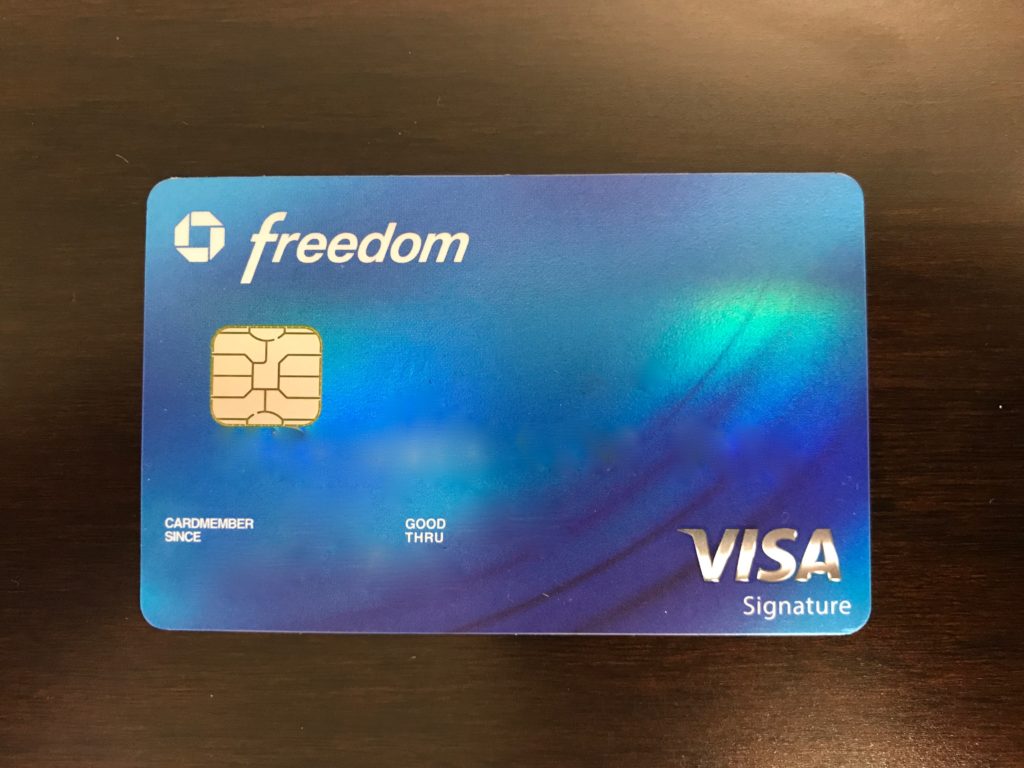
- Credit Cards: These include the popular Chase Sapphire Preferred® Card and Chase Freedom® variants, which operate on the Visa network. They offer revolving credit, rewards programs, and often come with sign-up bonuses.
- Debit Cards: Link directly to a Chase checking account, providing immediate access to funds. These typically feature the Visa logo, indicating acceptance wherever Visa Debit is taken.
- Prepaid Cards: The Chase Liquid® card is a notable example, allowing users to load funds without needing a bank account or credit check.
Case in Point: The Sapphire Preferred
A prime example of the Chase Visa strategy is the Chase Sapphire Preferred® Card. Marketed heavily toward travelers, this card offers a significant sign-up bonus in the form of bonus points when a minimum spend is met within a specific timeframe. Cardholders earn 2X points on travel and dining purchases and 1X point on all other purchases. These points are highly transferable to major airline and hotel loyalty programs, effectively increasing their value. As a senior executive at JPMorgan Chase once noted regarding the value exchange, "We are in the business of building long-term relationships, and the rewards are simply a mechanism to enhance the value our customers receive from their everyday spending."
Operational Mechanics: How the Card Functions
When a Chase Visa card is swiped, tapped, or inserted, a complex, secure transaction occurs in mere seconds. The process involves multiple entities working in harmony: the cardholder, the merchant, Chase, and Visa.
1. **Authorization Request:** Upon payment initiation, the merchant's terminal sends a request through Visa's network to Chase, verifying the card number and checking for sufficient funds or credit.
2. **Chase Verification:** Chase's systems evaluate the transaction. For credit cards, it checks the credit limit; for debit, it checks the account balance. It also runs fraud algorithms.
3. **Approval or Decline:** Chase sends an authorization code back through Visa to the merchant terminal. An approval allows the transaction to complete; a decline stops it.
4. **Settlement:** At the end of the business day, the merchant submits the approved transactions in a batch. Chase deposits the funds (minus processing fees) into the merchant's bank account.
This behind-the-scenes ballet ensures that a purchase in New York can be verified and approved by a server in Texas instantly, a testament to the reliability of the Visa network.
Security and Fraud Protection
Security is paramount in the financial industry, and Chase has invested heavily in protecting its Visa products. The card utilizes several layers of defense to safeguard consumer data and prevent fraudulent activity.
- EMV Chip Technology: The small gold chip on the card generates a unique code for each transaction, making it extremely difficult to counterfeit the card physically.
- Tokenization: For online payments, Chase uses tokenization, replacing the actual card number with a unique digital identifier (token) during transactions, reducing the risk of data theft.
- Zero Liability Protection: Both Chase credit and debit Visa cards typically come with zero liability protection, meaning the cardholder is not responsible for unauthorized transactions if reported promptly.
Furthermore, Chase's mobile app allows users to monitor their accounts in real-time, set transaction alerts, and temporarily lock their card if it is lost or stolen. This proactive approach to security helps maintain trust in the Visa brand.
Rewards and Financial Incentives
One of the primary drivers of the Chase Visa's popularity is its ability to turn spending into value. The rewards structure varies by card, but the core principle remains the same: spend money you were going to spend anyway, and get something back.
Points and Miles Ecosystem
Cards like the Chase Sapphire Preferred and Chase Sapphire Reserve® are points powerhouses. The flexibility of these points is a key differentiator. Unlike store-specific rewards, Chase Ultimate Rewards® points can be transferred to numerous airline and hotel partners at a 1:1 ratio. This allows cardholders to maximize value by redeeming for the most expensive redemptions available. For example, points can be transferred to airlines like United or to hotel brands like Hyatt, potentially funding an entire family vacation.
Cash Back Variants
For consumers who prefer simplicity, Chase offers Visa debit and credit cards that provide cash back on purchases. While the rates are typically lower than category-specific cards (like those offering 5% cash back at grocery stores), the ease of use is unmatched. With these cards, the cash back is usually deposited directly into the linked Chase checking or savings account, creating a seamless savings mechanism.
Market Position and Consumer Impact
The Chase Visa competes in a crowded market that includes offerings from American Express, Mastercard, and Discover. However, Chase's scale and marketing prowess keep it at the forefront. The card's impact on consumer behavior is significant.
By offering a reliable payment method that rewards usage, Chase Visa encourages consumers to manage their finances through the Chase ecosystem. This increases customer loyalty and provides Chase with valuable transaction data. For consumers, the benefit is multifaceted: enhanced purchasing power through credit, convenience over cash, and the tangible reward of points or cash back. The card effectively serves as a financial tool that can help users budget, earn, and travel smarter.
In an interview with a financial analyst, the role of such products was highlighted: "Banks like Chase are leveraging their relationships to create sticky financial products. The Visa network is the highway, but Chase is building the on-ramps and rest stops that keep customers coming back." This continuous evolution—whether through new bonus categories, mobile app features, or security enhancements—ensures that the Chase Visa remains a relevant and powerful instrument in the wallets of consumers globally.
Related Post

Unlock Financial Flexibility: The Complete Guide to Chase Visa Cards, Rewards, and How to Apply
Unlock Ultimate Spending Freedom with the Chase Visa: A Game-Changer for Modern Payments
Unlock the Power of Chase Visa Credit Card: Your Ultimate Guide

Unlock the Power of Rewards and Benefits with Chase Visa: A Comprehensive Guide


